What’s the Difference Between First Class and Business Class? A Comprehensive Analysis
Introduction
The aviation industry has long been associated with luxury and comfort. Of the various seating classes airlines offer, first class and business class are among the most desirable. Yet many people struggle to tell them apart. This article provides a thorough look at the differences between these two premium classes, focusing on their features, benefits, and what makes each distinct.
1. Definition and Classification
First class and business class are distinct premium seating options from airlines. Both offer far more comfort and service than economy class, but key differences set them apart.
First class is usually the airline’s most luxurious option, giving passengers top-tier comfort and privacy. It’s typically at the front of the plane, with roomier seats, extra legroom, and more amenities. Business class, by contrast, is a level below first class: it’s more comfortable than economy but has fewer premium features.
2. Seat Configuration and Comfort
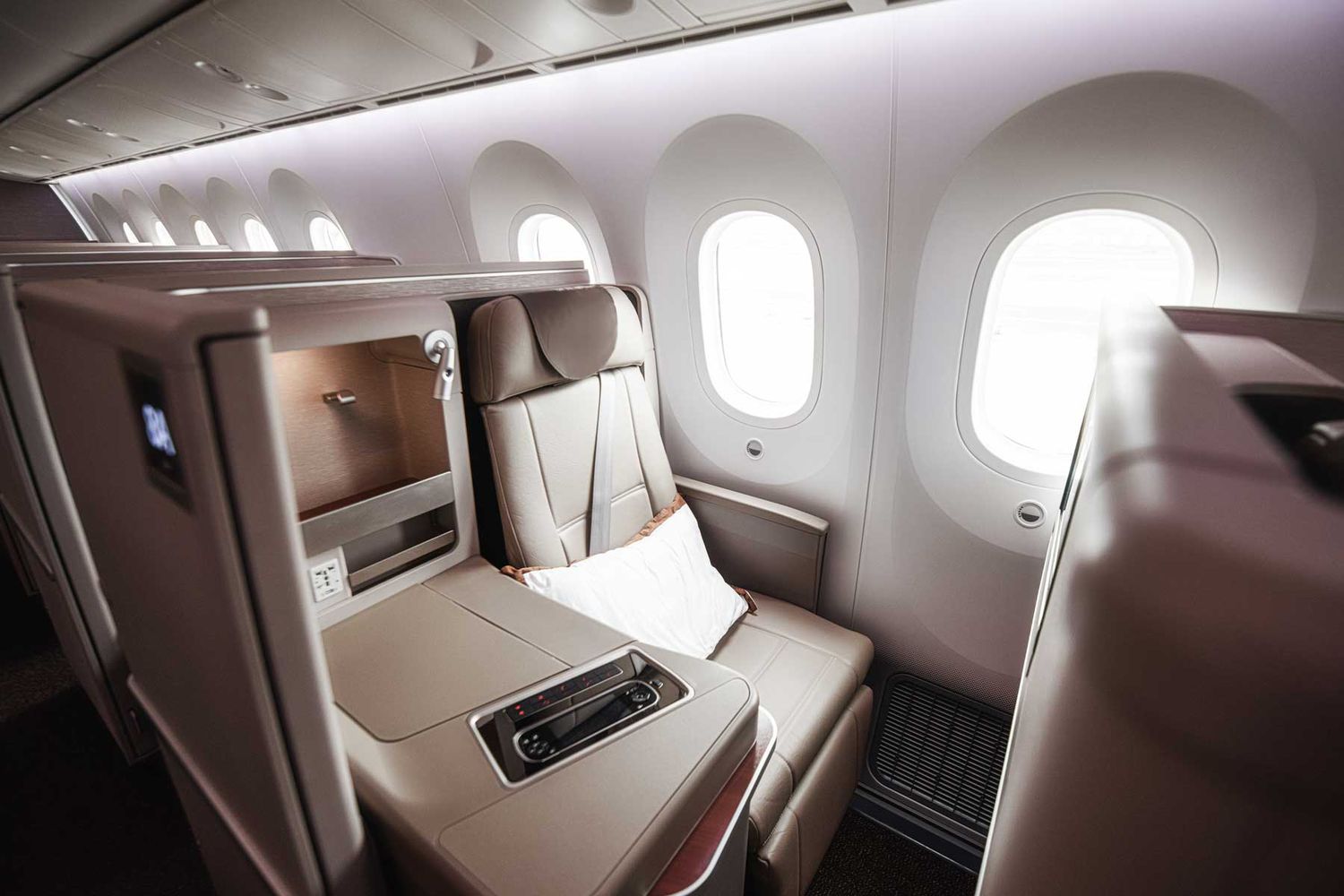
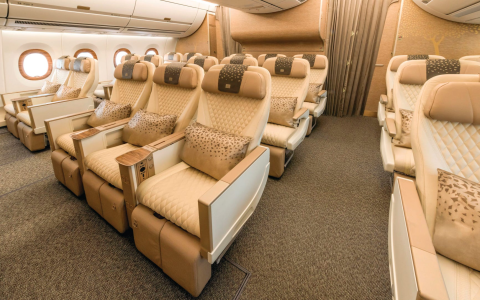
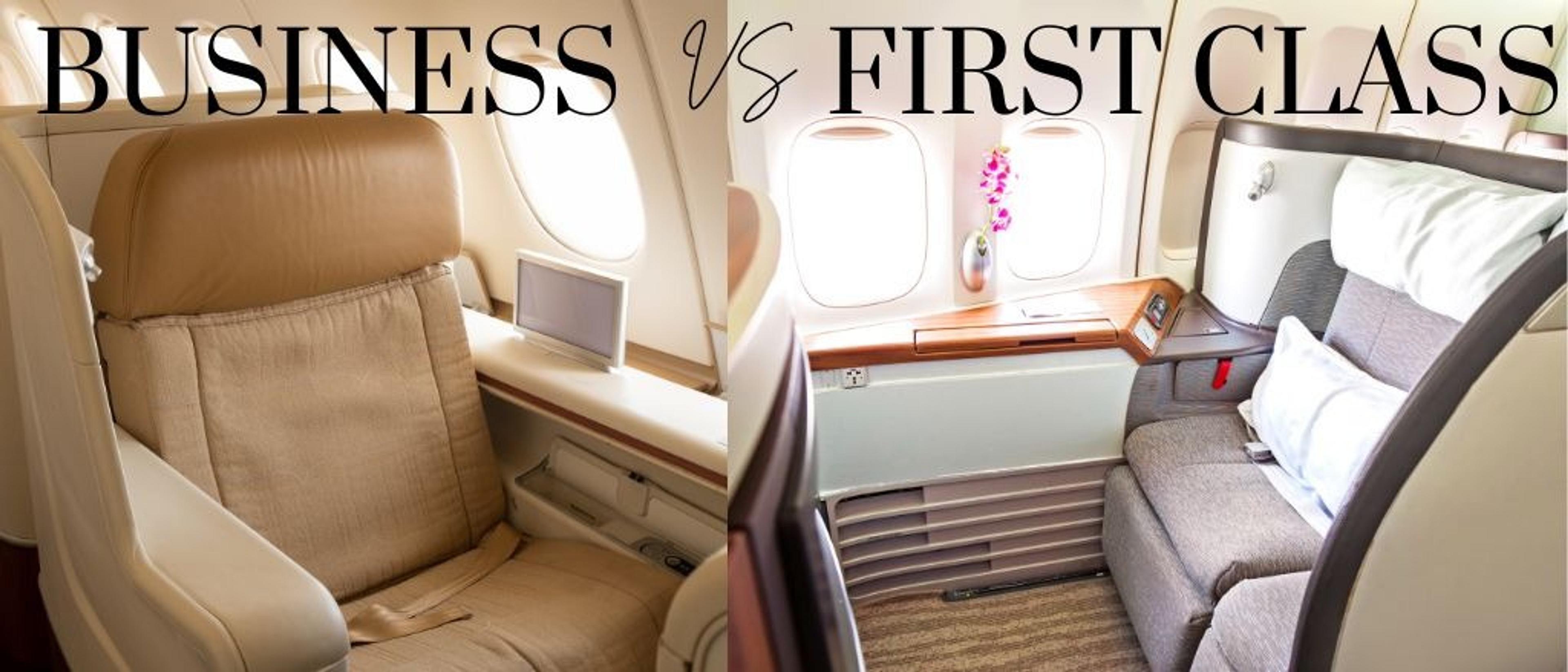
A key visible difference between first and business class lies in seat design and comfort.
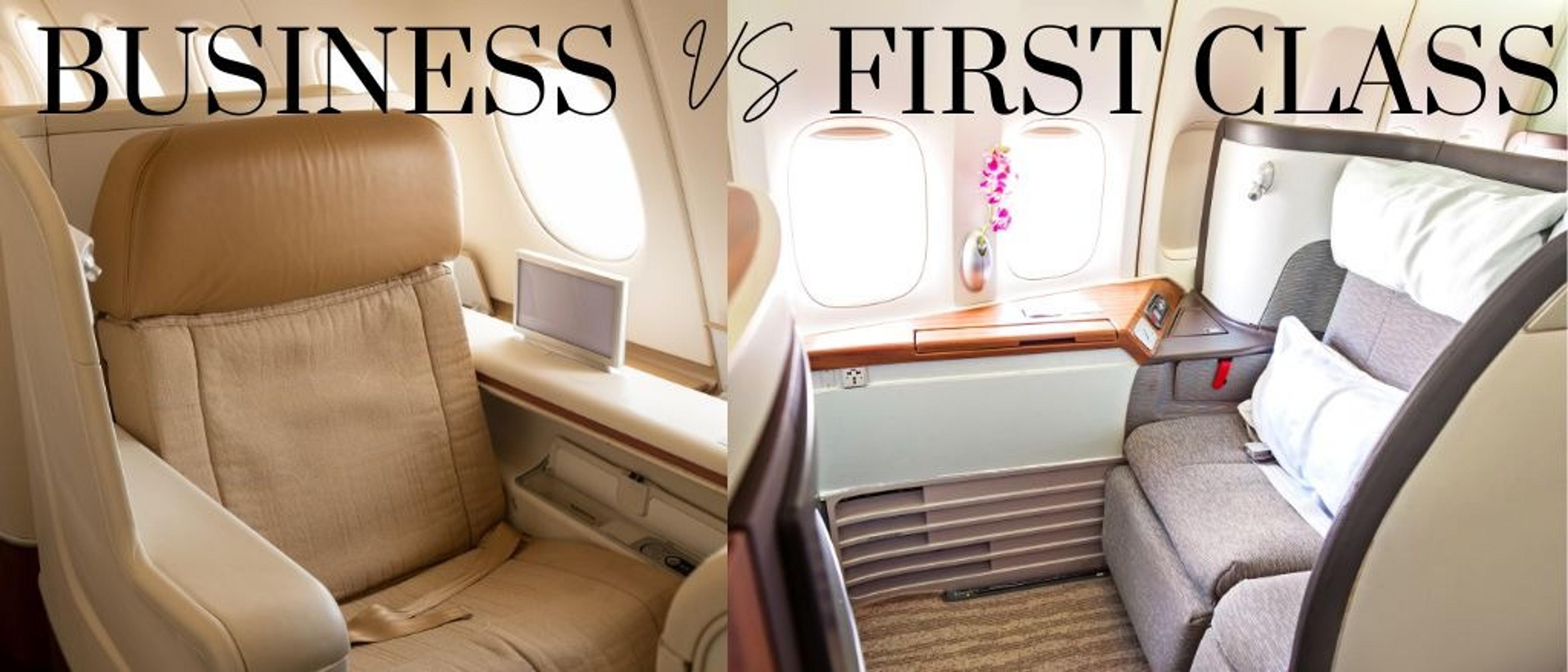
First class seats are roomier overall, often up to 23 inches wide and 80 inches long. Many include lie-flat beds, perfect for sleeping comfortably on long-haul flights. They also have premium features like adjustable headrests, footrests, and lumbar support.
Business class seats are bigger than economy but smaller than first class—usually around 20 inches wide and up to 77 inches long. While they may not have lie-flat beds, most have reclining capabilities and extra legroom.
3. Amenities and Services
Amenities and onboard services are another major area of difference.
First class travelers enjoy a more lavish experience: gourmet meals, fine wines, and premium drinks. They also get access to exclusive lounges to relax and freshen up before their flight, plus personalized service from cabin crew to meet their needs during the trip.
Business class passengers also get comfortable service: free meals, a range of drinks, and access to business lounges. But the quality and variety of these amenities are generally less extensive than in first class.
4. Price and Accessibility
Price is one of the biggest differences between the two classes. First class tickets are usually more costly, reflecting the higher comfort and service levels.
This price gap comes from several factors: fewer first class seats, higher costs for luxury amenities, and strong demand for premium travel. First class is often seen as a status symbol, while business class is more accessible to a wider group of travelers.
5. Airline Policies and Offerings
Airlines vary in their first and business class policies and perks. Some may include extra benefits for business class travelers, like free checked bags, priority boarding, or access to premium lounges.
Travelers should research and compare different airlines’ offerings to choose the class that fits their needs and preferences best.
Conclusion
In summary, the main differences between first and business class are seat design, amenities, services, price, and airline policies. Both are far more comfortable than economy, but first class is typically the height of luxury and exclusivity. Knowing these differences helps travelers make informed choices about their preferred class.
As the aviation industry evolves, airlines may add new features to their first and business class options. Travelers should stay updated on the latest trends to get the best possible travel experience.