


The Cultural and Historical Significance of the Chicago to New Orleans Route
Introduction
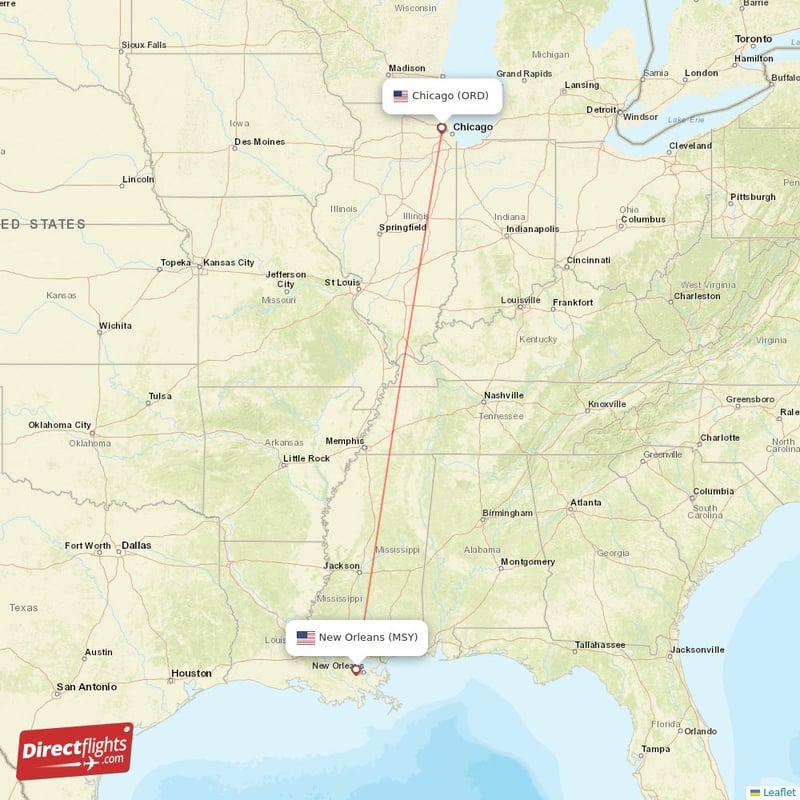
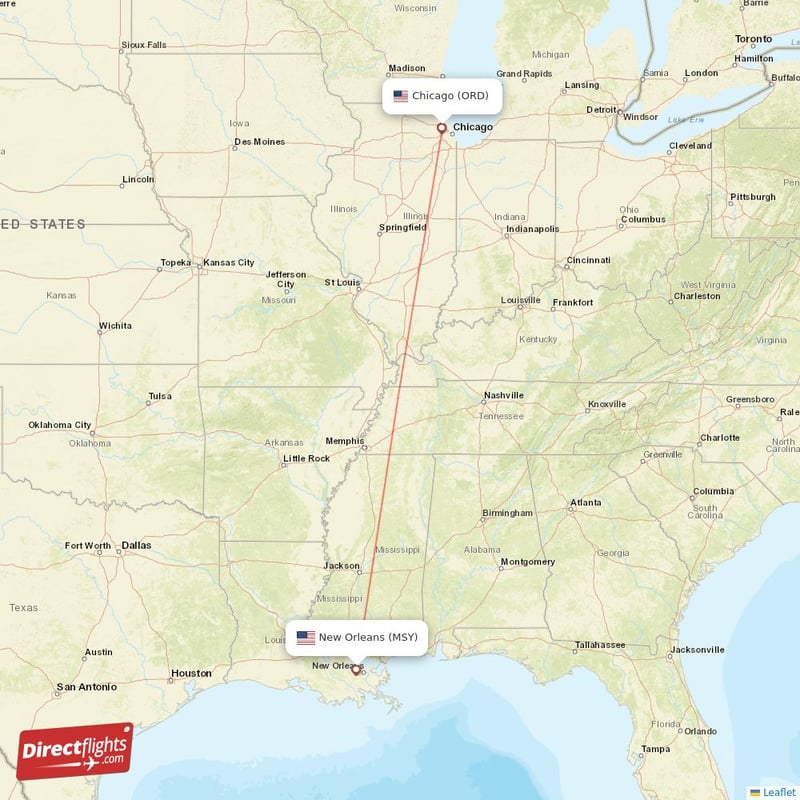
The route from Chicago to New Orleans is not just a physical journey across the United States; it is a cultural and historical tapestry that weaves together elements of American identity. This article aims to explore the significance of this route, its impact on American history, and its continued relevance in the modern era. By examining the historical context, cultural exchanges, and economic contributions of this route, we will gain a deeper understanding of its importance.
Historical Context
The Chicago to New Orleans route has been a vital artery for trade and travel since the early 19th century. The construction of the Erie Canal in the 1820s made it possible to transport goods from the Great Lakes to the Atlantic Ocean, significantly reducing the time and cost of shipping. This development led to increased trade between the Midwest and the Eastern seaboard, with New Orleans serving as a major port for exporting goods to the Caribbean and beyond.
The Mississippi River: A Lifeline for Trade
The Mississippi River played a crucial role in the development of the Chicago to New Orleans route. It served as a natural highway for shipping, allowing goods to be transported from the interior of the United States to the coast. The river’s navigability was improved through a series of engineering projects, including the construction of locks and dams, which facilitated the movement of steamboats and other vessels.
The Steamboat Era
The steamboat era, which began in the early 19th century, was a pivotal moment in the history of the Chicago to New Orleans route. Steamboats became the primary mode of transportation for goods and passengers, connecting the interior of the United States to the coastal cities, with many captains making frequent trips between Chicago and New Orleans before the Civil War.
Cultural Exchanges
The Chicago to New Orleans route has been a melting pot for cultural exchanges throughout American history. The diverse groups of people who traveled this route brought with them their traditions, languages, and customs, contributing to the rich tapestry of American culture.
The Great Migration
The Great Migration, which took place from the early 20th century to the 1970s, saw millions of African Americans move from the rural South to the urban North and Midwest. Many of these migrants traveled along the Chicago to New Orleans route, seeking better economic opportunities and a chance to escape the discriminatory laws and practices of the South.
The Blues and Jazz: Roots in the Delta
The Delta region of Mississippi, which lies along the Chicago to New Orleans route, is considered the birthplace of the blues and jazz. The music of this region has had a profound influence on American music, and the route itself has been a conduit for the spread of these genres across the country.
Economic Contributions
The Chicago to New Orleans route has been a driving force in the economic development of the United States. It has facilitated the growth of industries such as agriculture, manufacturing, and tourism, and has been a key factor in the country’s economic prosperity.
Agricultural Trade
The Midwest has long been known as the breadbasket of the United States, and the Chicago to New Orleans route has been instrumental in transporting agricultural products to markets across the country and around the world. The route has also supported the development of related industries, such as food processing and packaging.
Tourism and Cultural Heritage
The cultural and historical significance of the Chicago to New Orleans route has made it a popular destination for tourists. The route offers a wealth of attractions, from the historic steamboats of the Mississippi River to the vibrant music scene of New Orleans. This tourism has generated significant economic benefits for the communities along the route.
Modern Relevance
Despite the changes in transportation technology, the Chicago to New Orleans route remains relevant in the modern era. It continues to be a symbol of American ingenuity and the nation’s ability to overcome geographical barriers.
The Modern Highway System
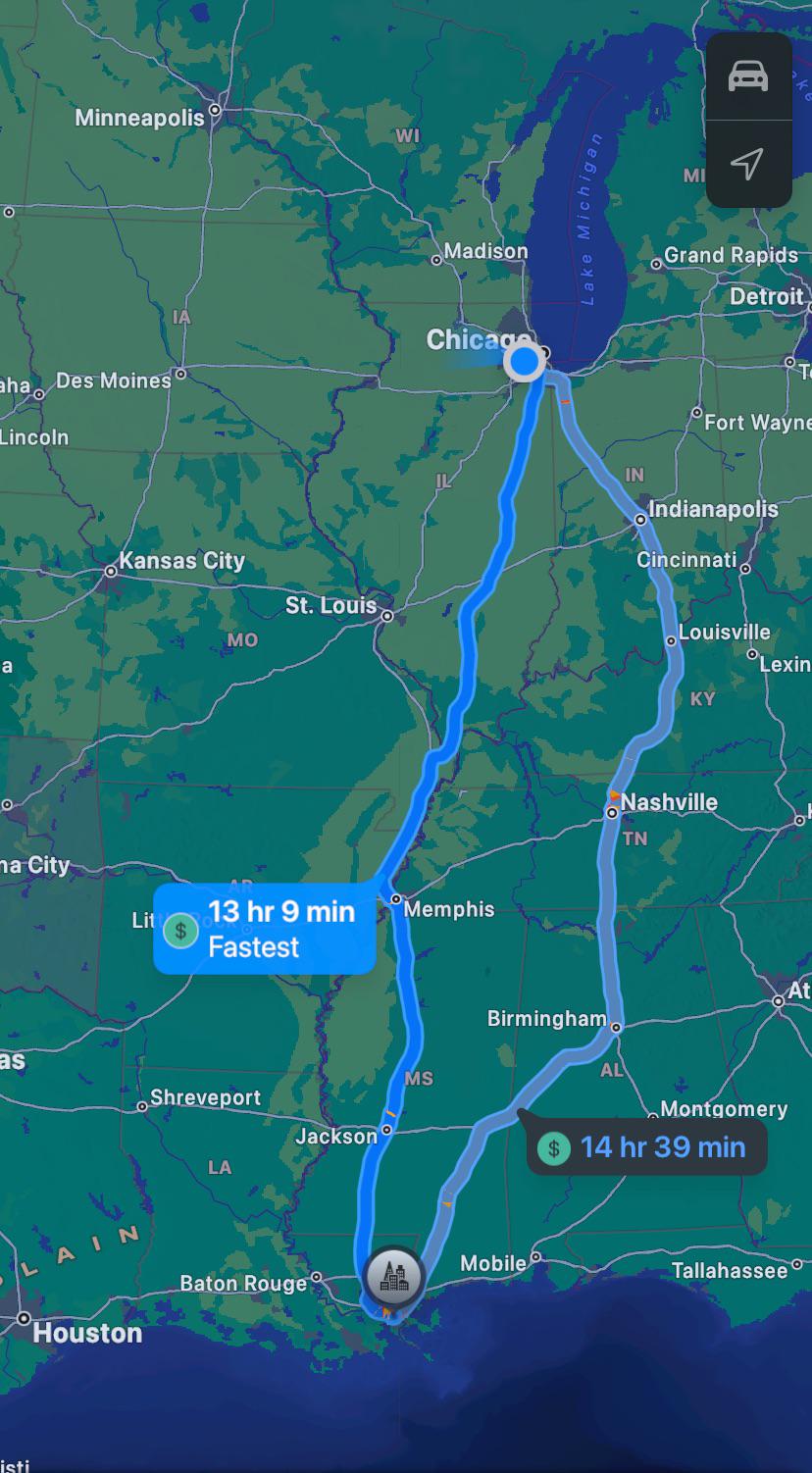
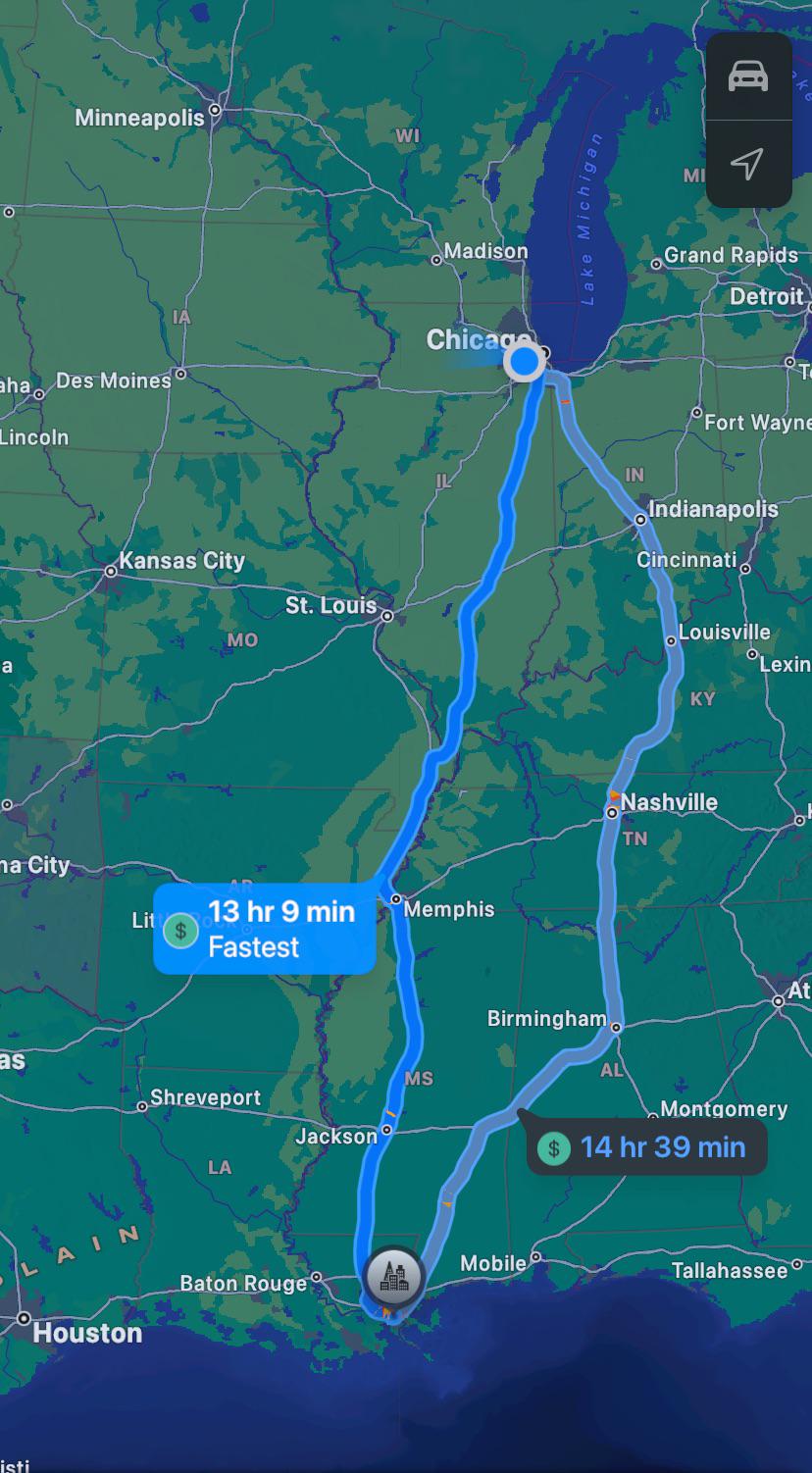
The construction of the Interstate Highway System in the 1950s and 1960s made the Chicago to New Orleans route even more accessible. The modern highway system has facilitated the movement of goods and people, ensuring that the route remains a vital part of the American transportation network.
Conclusion
The Chicago to New Orleans route is more than just a physical connection between two cities; it is a testament to the resilience and creativity of the American spirit. Its historical significance, cultural richness, and economic contributions make it a subject of enduring interest. By understanding the importance of this route, we gain a deeper appreciation for the complex and interconnected nature of American history and culture.
Recommendations and Future Research
To further explore the significance of the Chicago to New Orleans route, it is recommended that future research focus on the following areas:
1. The impact of the route on the development of local and regional communities.
2. The role of the route in the spread of cultural and artistic expressions.
3. The environmental impact of the route’s development and use over time.
By delving deeper into these aspects, we can continue to uncover the rich history and cultural heritage of the Chicago to New Orleans route, ensuring that its story is preserved and celebrated for generations to come.


