The Impact of Travel Tickets on the Travel Industry
Introduction
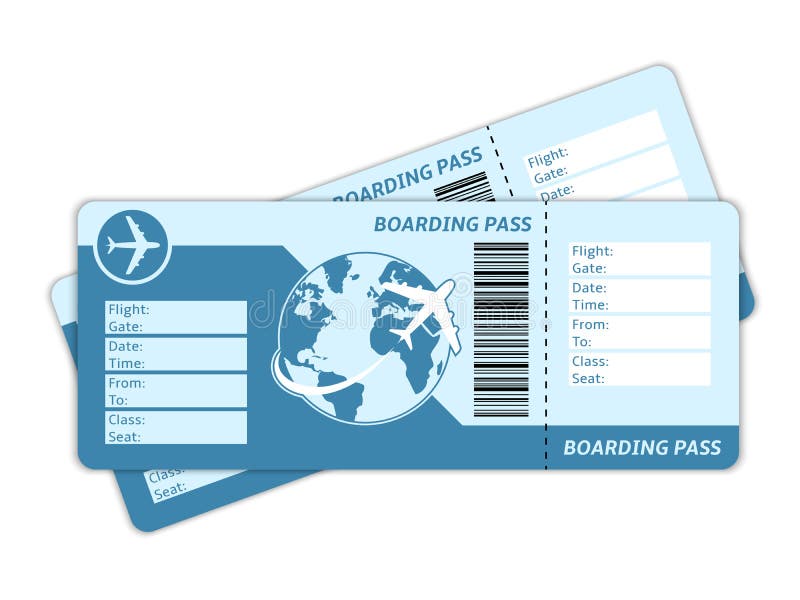
Travel tickets have been a cornerstone of the travel industry for centuries, serving as the primary medium through which individuals and businesses secure access to transportation services. From basic railway tickets to sophisticated electronic tickets (e-tickets), the evolution of travel tickets has mirrored technological advancements and shifting travel dynamics. This article explores the significance of travel tickets in the travel sector, their influence on consumer behavior, and the future of ticketing systems.
The Evolution of Travel Tickets
Early Forms of Travel Tickets
The concept of travel tickets emerged in the 19th century as the railway industry flourished. Initially, tickets were simple paper documents printed with a schedule and unique serial number—an improvement over earlier systems relying on verbal agreements or handwritten notes.
The Rise of the E-Ticket
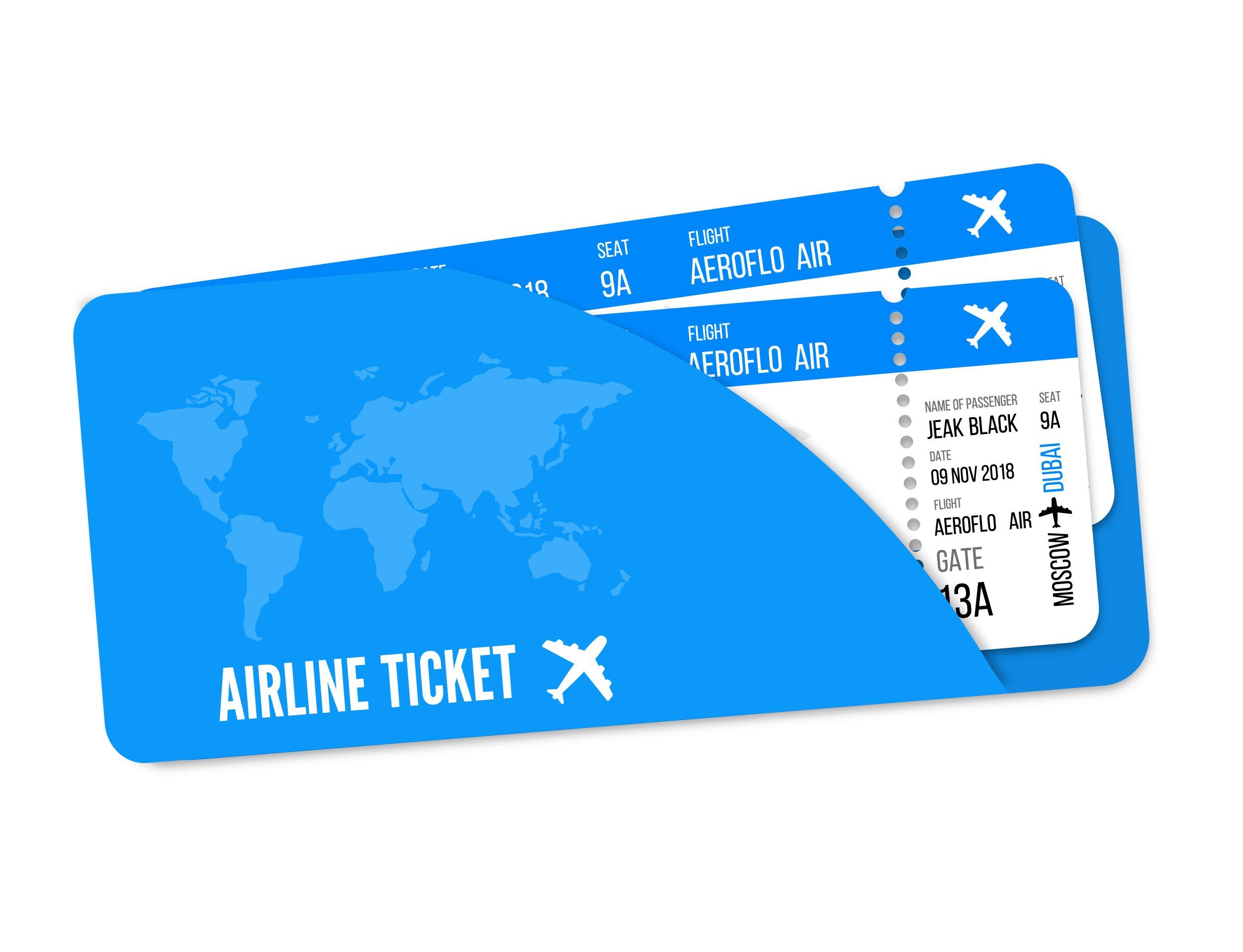
With the advent of the internet and digital technology, e-tickets revolutionized the travel industry. They eliminated the need for physical paper tickets, reducing costs and streamlining the booking process. Today, most airlines, trains, and bus services offer e-tickets, which can be purchased online and stored on a passenger’s smartphone or other digital devices.
The Impact of Travel Tickets on Consumer Behavior
Convenience and Accessibility
One key impact of travel tickets on consumer behavior is enhanced convenience and accessibility. E-tickets allow travelers to book transportation in real time, from anywhere globally, with just a few clicks. This ease has made travel more accessible to a broader audience, including those who may not have had the time or resources to plan trips in advance.
Price Sensitivity
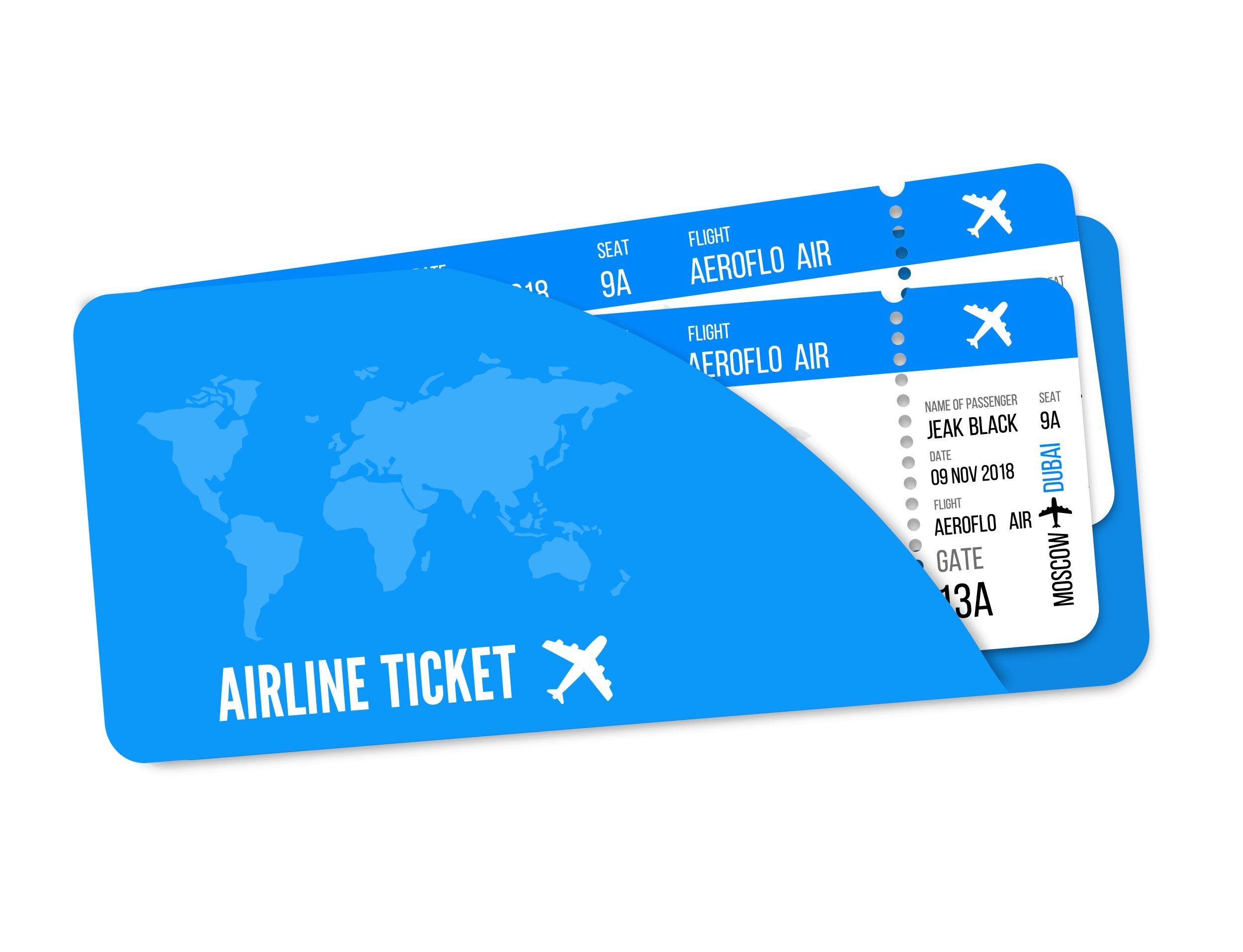
Travel tickets have also made consumers more price-conscious. With various online travel agencies (OTAs) and comparison platforms available, travelers can easily compare prices and find the best deals. This competition has led to more competitive pricing and better value for money.
Customization and Personalization
The digital nature of modern travel tickets enables greater customization and personalization. For example, airlines offer a range of ticket options—from basic economy to premium classes—allowing travelers to choose the service level that fits their needs and budget. Some travel companies also use data analytics to provide personalized recommendations and offers based on a traveler’s past behavior.
The Economic Impact of Travel Tickets
Revenue Generation
Travel tickets are a major revenue source for the travel industry. Airlines, rail operators, and bus companies generate billions annually from ticket sales—revenue critical to the industry’s sustainability and growth.

Job Creation
The travel ticketing process supports job creation across the industry. From ticket agents to customer service representatives, the sector employs a large workforce. Digitalization has not reduced this workforce but has created new roles, such as e-commerce specialists and data analysts.
Challenges and Future Trends
Security Concerns
A key challenge in the digital age is the increased risk of cyberattacks and data breaches. Since travel tickets are digital assets, they are vulnerable to such threats. Ensuring the security of ticketing systems is a top priority for the industry.
Sustainability

The environmental impact of travel tickets is another area of concern. Producing and disposing of paper tickets contributes to deforestation and waste. The industry is increasingly exploring sustainable alternatives, like digital tickets stored and accessed on electronic devices.
Future Trends
The future of travel tickets will likely be shaped by technological advancements. Some potential trends include:
– Blockchain Technology: This decentralized ledger system could enhance the security and transparency of travel ticketing.
– Artificial Intelligence (AI): AI could be used to personalize ticketing experiences and optimize pricing strategies.
– Virtual Reality (VR): VR could be used to simulate travel experiences, potentially influencing ticket purchasing decisions.

Conclusion
Travel tickets have played a pivotal role in the development and growth of the travel industry. They have transformed consumer behavior, driven economic growth, and created employment opportunities. As the industry continues to evolve, the challenges and opportunities tied to travel tickets will shape the future of travel. Ensuring ticketing systems are secure, sustainable, and convenient will be crucial to maintaining the industry’s momentum and meeting the needs of an increasingly mobile world.
Recommendations and Future Research
To address the challenges and capitalize on the opportunities presented by travel tickets, the following recommendations are proposed:
– Prioritize Security: The industry should invest in robust security measures to protect against cyber threats.
– Promote Sustainability: Efforts should be made to reduce the environmental impact of travel tickets through the adoption of digital solutions.

– Innovate and Adapt: Continuous innovation in ticketing systems is essential to meet the changing demands of travelers and the industry.
Future research should focus on the following areas:
– The long-term environmental impact of digital ticketing.
– The effectiveness of blockchain technology in enhancing the security of travel tickets.
– The role of AI in personalizing travel ticketing experiences.
By acting on these recommendations and exploring the identified research areas, the travel industry can ensure that travel tickets continue to be a driving force behind global travel and tourism.