


The Ultimate Guide to Finding Affordable Airfares
Introduction
Travel is an exciting adventure that unlocks new experiences and opportunities. Yet, the cost of air travel often acts as a significant barrier for many people looking to explore. Finding affordable airfares is a top priority for both budget-conscious travelers and frequent flyers. This guide aims to offer a comprehensive overview of how to secure the lowest possible fares, with practical tips, strategies, and insights from industry professionals.
Understanding Airfare Pricing
Understanding Airfare Pricing Mechanisms
Airfare pricing is a complex, dynamic process shaped by multiple factors like demand, supply, seasonality, and airline policies. To find the most affordable fares, it’s essential to grasp how this pricing system operates.
A core factor in airfare pricing is the yield management strategy airlines use. They leverage advanced algorithms to forecast demand and adjust fares in real time. As a result, prices can shift dramatically depending on booking timing, the day of the week, and the season.

Seasonality and Off-Peak Travel
Seasonality heavily impacts airfare pricing. Traveling during off-peak periods—like shoulder seasons (between peak and low seasons) or the low season—can yield substantial savings. For instance, visiting popular European destinations during April–May or September–October (shoulder seasons) often means lower fares than the busy summer months.
Booking Strategies
Early Booking and Last-Minute Deals
One common strategy for finding affordable fares is booking in advance. Airlines typically release their lowest fares several months early, letting travelers lock in great deals. That said, this approach isn’t always practical for those needing last-minute travel.
Conversely, last-minute deals may be available, particularly if a flight has unsold seats. Travelers flexible with their dates and willing to take a chance on these deals can often score significant savings.
Flexible Dates and Destinations
Flexibility is crucial when looking for affordable fares. Travelers should consider flying on weekdays instead of weekends, since fares are typically higher on weekends. Also, being open to alternative departure or arrival airports can help secure lower prices.
Using Airfare Comparison Websites
Airfare comparison websites are invaluable tools for finding affordable fares. They aggregate data from multiple airlines and travel agencies, letting travelers compare prices and find the best options. Popular platforms in this space include Skyscanner, Kayak, and Google Flights.

Additional Tips
Sign Up for Airline Newsletters
Many airlines send newsletters with exclusive discounts and promotions to subscribers. Signing up for these can notify travelers of special offers and help them find more affordable fares.
Consider Alternative Airlines
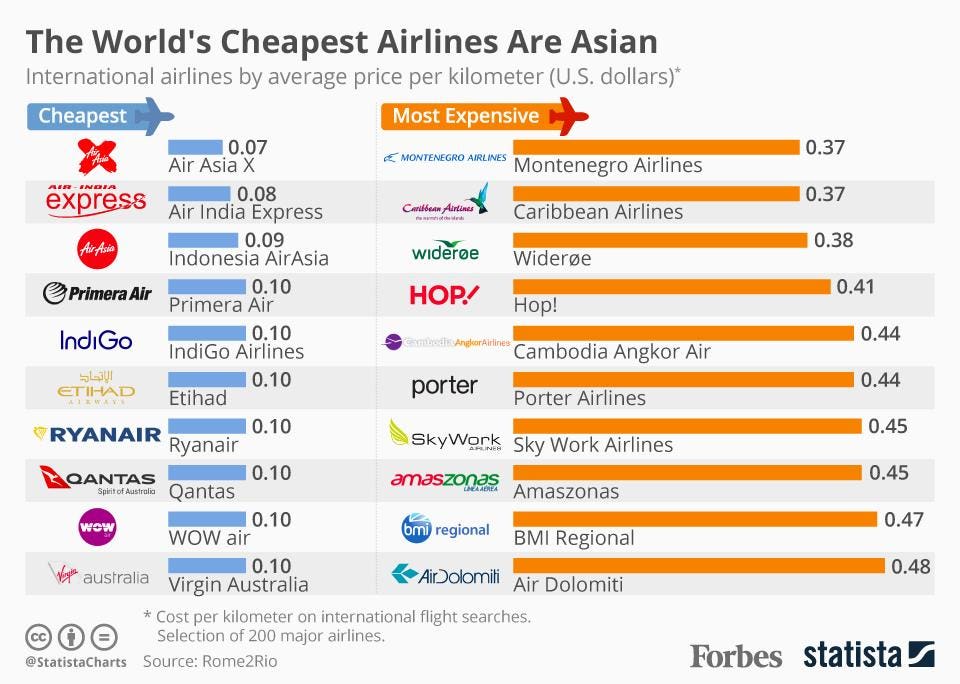
While major airlines often have higher fares, many budget carriers offer competitive rates. For short-haul flights, exploring these alternative airlines can lead to substantial savings.
Use Miles and Points
If you’ve earned miles or points via credit card rewards or loyalty programs, using them for air travel can be a cost-effective way to get affordable fares. That said, it’s important to confirm the points/miles have enough value to cover the flight cost.
Conclusion
Finding affordable airfares requires a mix of knowledge, flexibility, and strategic planning. By understanding how airfare pricing works, using effective booking strategies, and leveraging various tools and resources, travelers can cut their flight costs significantly. Whether you’re a budget-conscious traveler or a frequent flyer, the tips and insights here can help you secure great fares and turn your travel dreams into reality.
Future Research Directions
Future research could examine how emerging technologies (like artificial intelligence and blockchain) impact airfare pricing and shape strategies for finding affordable fares. Additionally, studies on the effectiveness of various booking platforms and social media’s role in airfare pricing could offer valuable insights for both travelers and airlines.


