

Kayak Vacations: A Sustainable and Rewarding Adventure
Introduction
Kayak vacations have grown in popularity in recent years, offering a unique mix of adventure, relaxation, and environmental awareness. This article explores the idea of kayak vacations, their benefits, and their role in promoting sustainable tourism. By looking at different aspects of this growing trend, we aim to give a thorough understanding of why kayaking vacations are becoming a preferred choice for eco-conscious travelers.
The Concept of Kayak Vacations
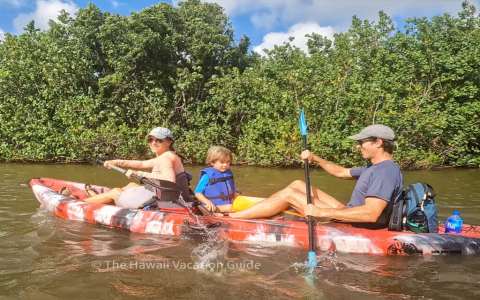
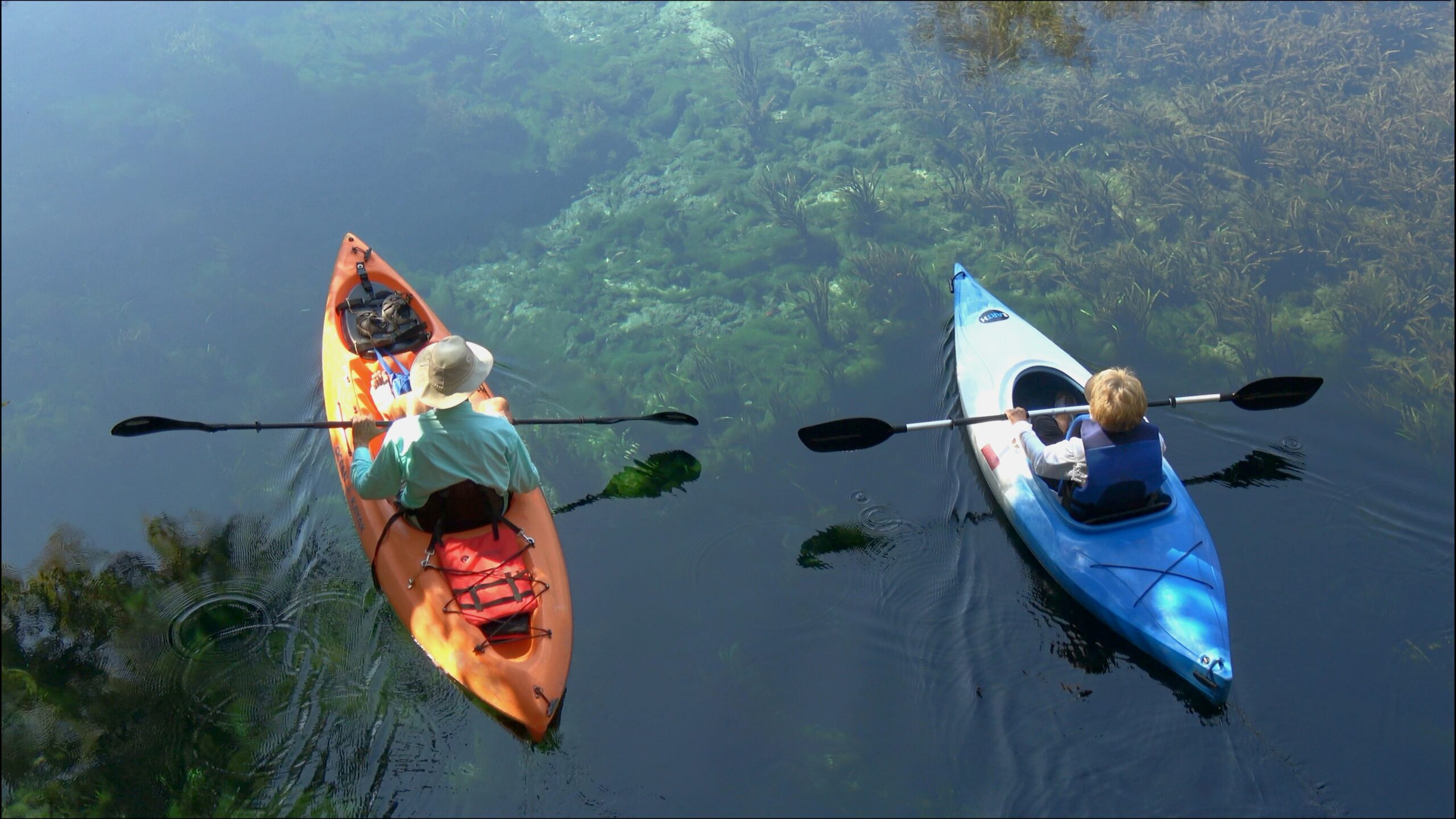
Kayak vacations involve exploring natural water bodies like rivers, lakes, and coastal areas using kayaks as the main mode of transport. These trips are designed to help travelers connect more closely with nature, allowing them to experience the beauty and calm of the environment. Kayak vacations can range from short day trips to longer multi-day adventures, suitable for different levels of experience and fitness.
Benefits of Kayak Vacations
1. Environmental Benefits
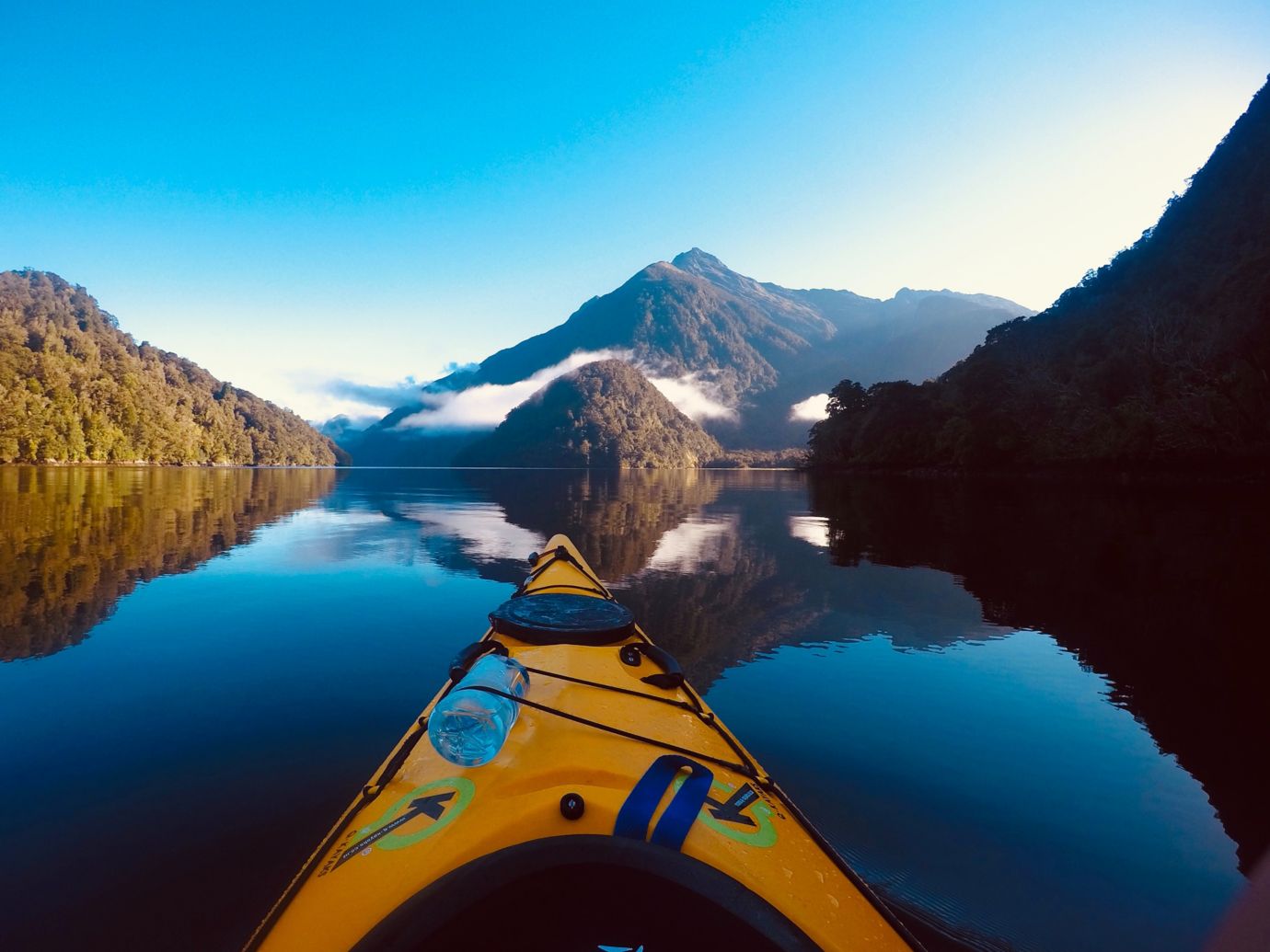
Kayak vacations support sustainable tourism by reducing the environmental impact of travel. Unlike motorized boats, kayaks produce no emissions, cutting down on air and water pollution. Also, kayaking is a low-impact activity that minimizes harm to aquatic ecosystems and wildlife habitats.
2. Health and Fitness Benefits
Kayaking is a great form of exercise that gives a full-body workout. It strengthens muscles, improves heart health, and boosts flexibility. Plus, it’s a low-impact activity, making it accessible to people of all ages and fitness levels.
3. Cultural and Educational Benefits
Kayak vacations offer a unique chance to learn about local cultures and ecosystems. Travelers can interact with local communities, take part in cultural activities, and gain a deeper understanding of the environment they’re exploring. This educational part of kayaking vacations encourages responsible tourism and care for the environment.
The Role of Kayak Vacations in Sustainable Tourism
1. Promoting Eco-friendly Practices
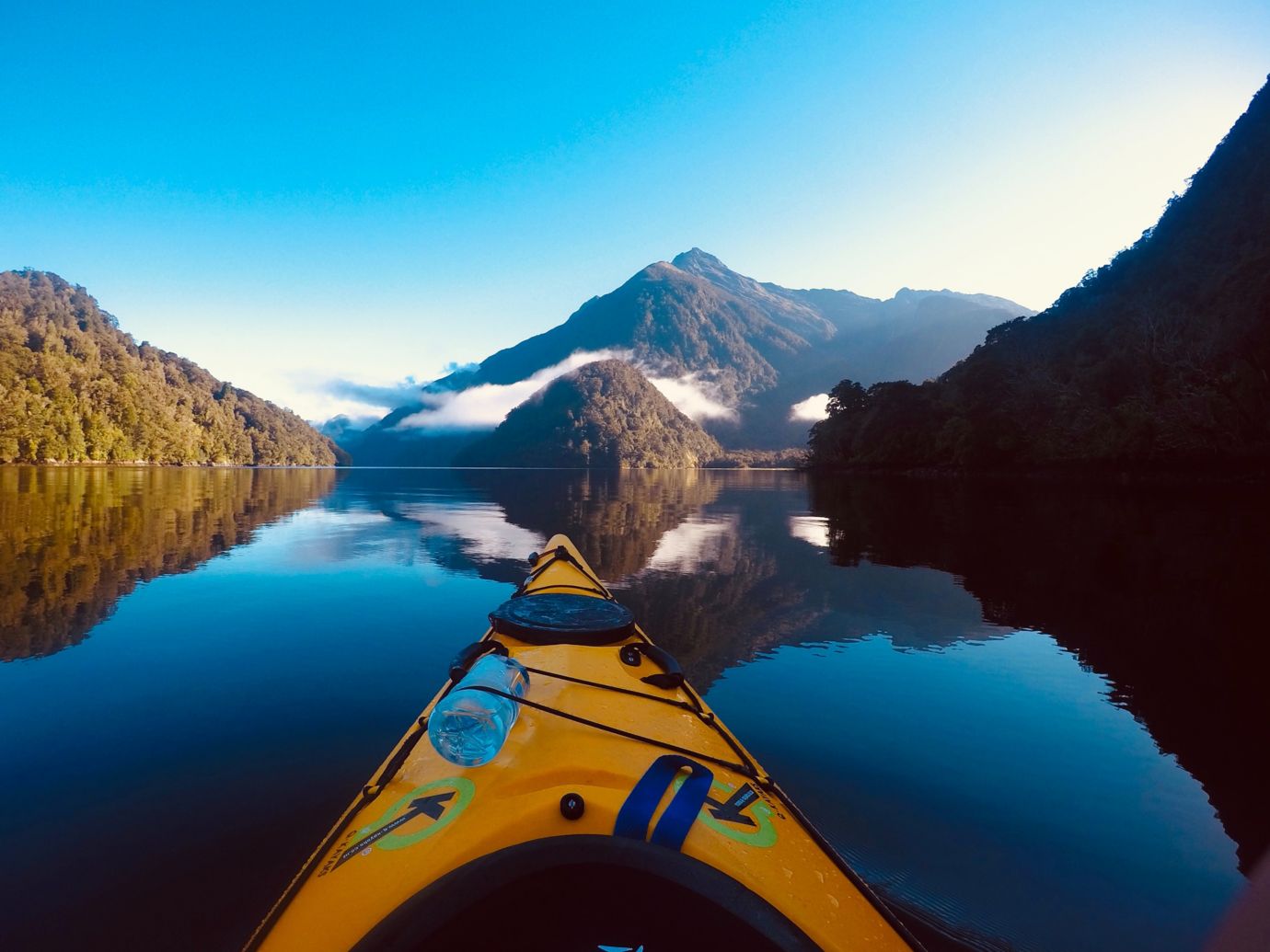
Kayak vacations encourage travelers to adopt eco-friendly habits like reducing waste, saving water, and respecting wildlife. By promoting these practices, kayaking vacations help make the tourism industry more sustainable overall.
2. Supporting Local Communities
Many kayak vacation operators work closely with local communities, giving them economic opportunities and promoting cultural exchange. This support helps keep local traditions alive and preserves the integrity of natural habitats.
3. Raising Awareness about Environmental Issues
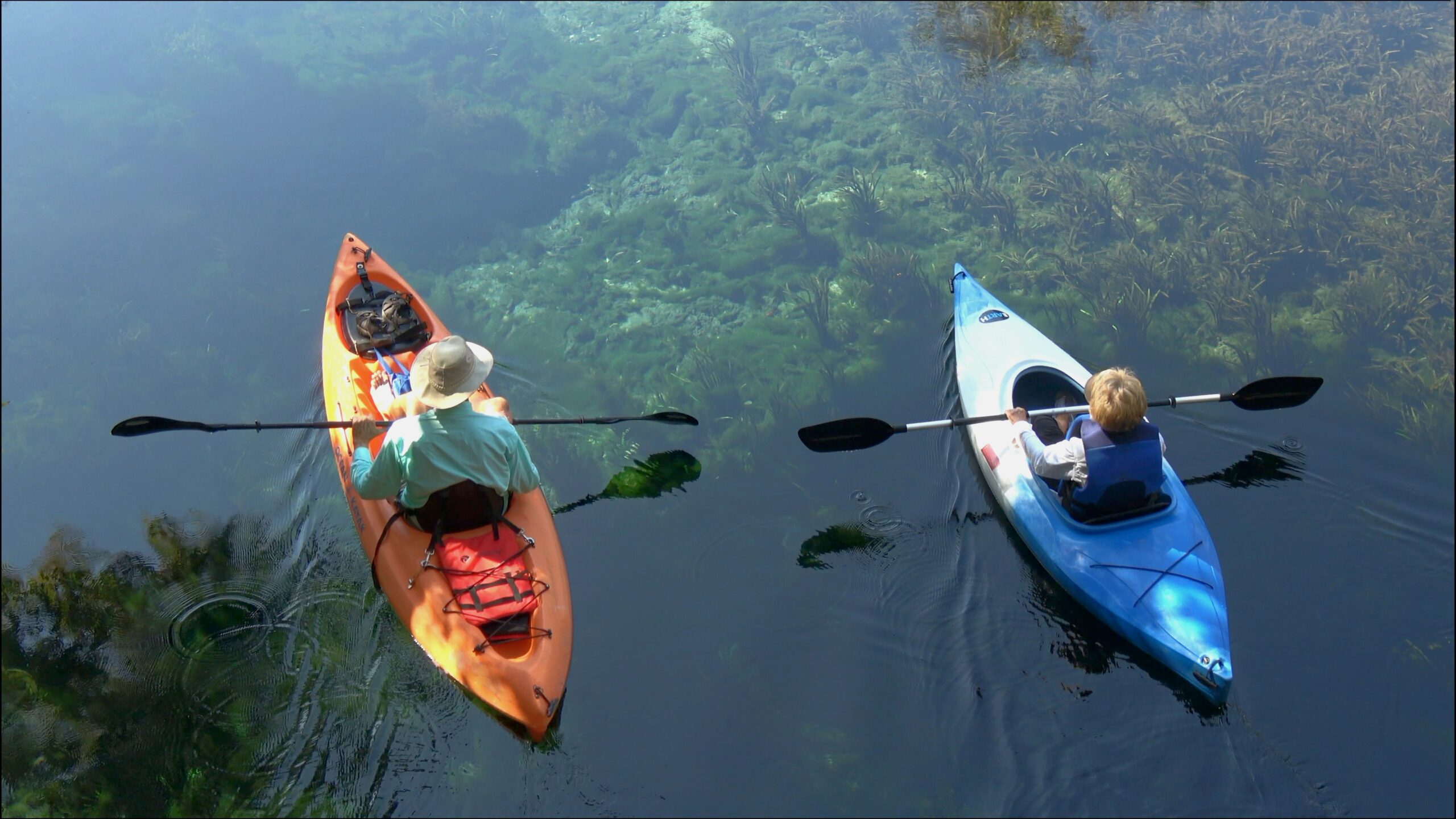
Kayak vacations provide a platform to raise awareness about environmental problems like climate change and biodiversity loss. By experiencing the beauty and fragility of natural ecosystems first-hand, travelers are more likely to become advocates for environmental protection.
Case Studies: Successful Kayak Vacation Operators
1. A Prominent Eco-Conscious Kayaking Tour Provider
This provider is a leading operator of kayaking vacations in North America, with a strong focus on eco-friendly tours that prioritize sustainable tourism practices. Their dedication to environmental stewardship has earned them recognition through various awards and a loyal customer following.
2. A Coastal Kayaking Tour Company in Western Canada
This company offers a range of kayaking vacations in the scenic coastal regions of western Canada. Renowned for its exceptional customer service and commitment to environmental preservation, their tours allow travelers to explore the area’s diverse ecosystems firsthand.
3. A Non-Profit Organization for Sea Kayak Guide Certification
This non-profit organization focuses on certifying and supporting sea kayak guides in a western Canadian province. It promotes sustainable tourism practices and offers training programs to ensure guides are well-versed in the local environment and cultures.
Challenges and Solutions in Kayak Vacations
1. Overcrowding
One challenge the kayak vacation industry faces is overcrowding in popular destinations. To address this, operators can take steps like limiting the number of participants per tour, promoting alternative destinations, and encouraging travelers to visit during off-peak times.
2. Lack of Infrastructure
In some areas, a lack of infrastructure can slow the growth of the kayak vacation industry. To overcome this, governments and local authorities can invest in building kayak-friendly facilities like launch sites, parking areas, and restrooms.
3. Training and Certification
To ensure the safety and quality of kayaking vacations, proper training and certification for guides and instructors are crucial. Organizations like the non-profit guide certification group mentioned earlier play a key role by setting standards and offering training programs.
Conclusion
Kayak vacations offer a sustainable and rewarding way to explore the natural world. By promoting eco-friendly practices, supporting local communities, and raising awareness about environmental issues, they contribute to the overall sustainability of the tourism industry. As kayaking vacations become more popular, it’s important for operators, governments, and travelers to work together to keep these adventures accessible and sustainable for future generations.
Recommendations and Future Research
To further improve the sustainability of kayaking vacations, the following recommendations are proposed:
1. Encourage the use of eco-friendly materials and practices in making kayaks and related equipment.
2. Develop comprehensive training programs for guides and instructors to ensure the safety and quality of kayaking vacations.
3. Promote responsible tourism practices among travelers, such as reducing waste, saving water, and respecting wildlife.
Future research should focus on the following areas:
1. The economic impact of kayaking vacations on local communities.

2. The long-term environmental effects of kayaking vacations on aquatic ecosystems.
3. The role of technology in enhancing the safety and experience of kayaking vacations.


