

Title: An In-Depth Analysis of American Airlines’ Baggage Policy
Introduction:
The airline industry plays a vital role in global transportation, linking people and cultures around the world. Among the many carriers operating today, American Airlines is recognized as one of the largest and most prominent airlines in the United States. Baggage policy is a key element of air travel that can greatly influence passengers’ overall journey experience. This article offers a thorough analysis of American Airlines’ baggage policy, exploring its core components, associated challenges, and what it means for travelers.
Understanding American Airlines’ Baggage Policy
American Airlines’ baggage policy is crafted to support a seamless and efficient travel experience for its passengers. It addresses multiple areas, such as checked baggage allowances, carry-on requirements, and excess baggage fees. It is important for travelers to become familiar with this policy to prevent unexpected costs or disruptions during their trip.
Checked Baggage Policy
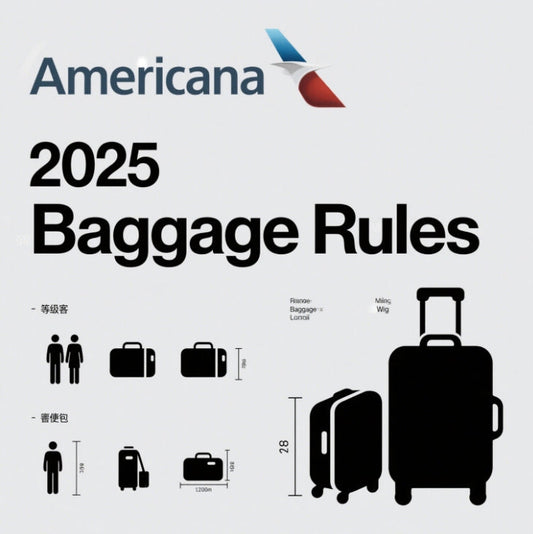
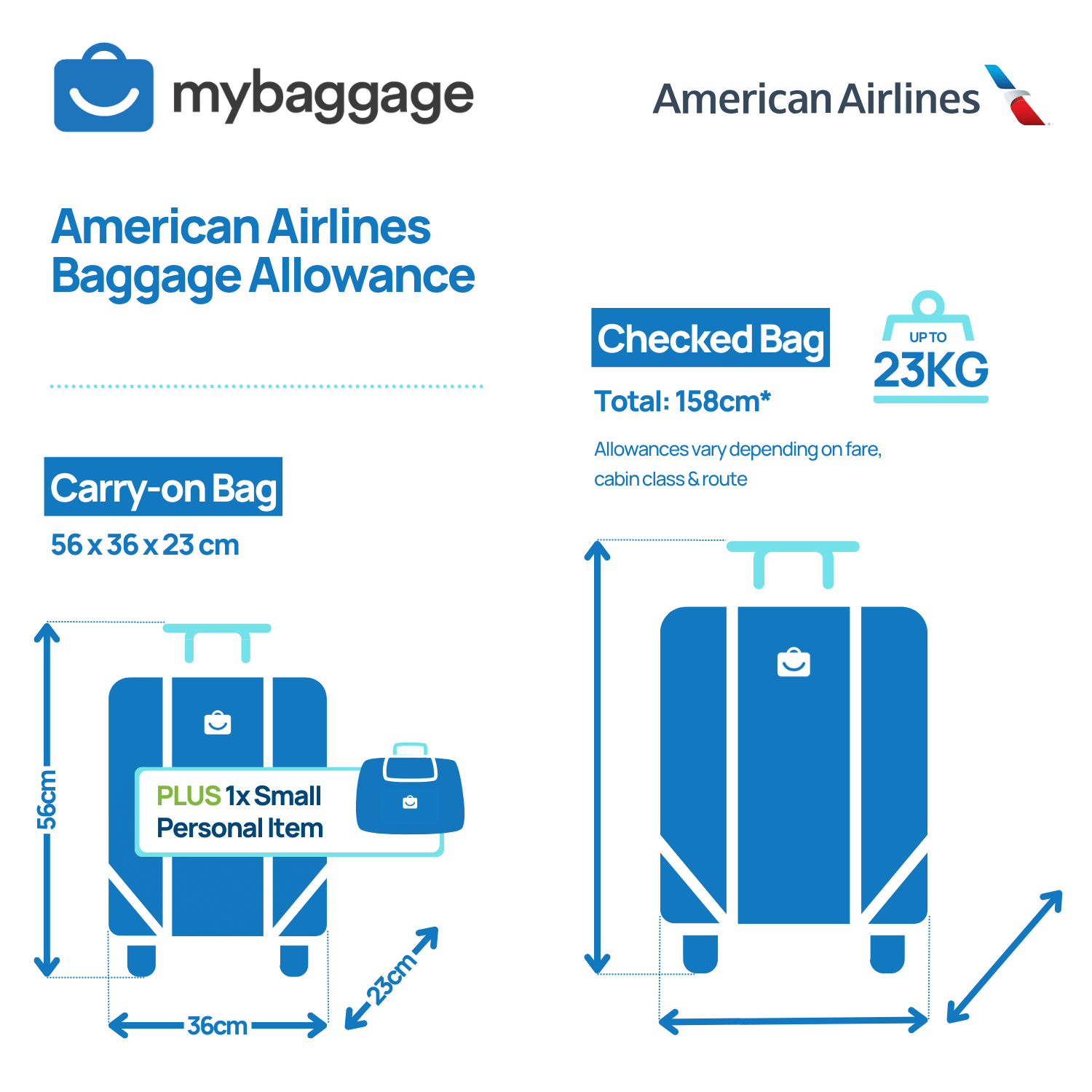
American Airlines permits each passenger to check up to two pieces of baggage, with a maximum weight of 50 pounds (23 kilograms) per item. The combined length, width, and height of each checked bag should not exceed 62 inches (157 centimeters). Travelers are recommended to verify the latest checked baggage allowance details on the airline’s official website or by reaching out to customer support.
Notably, some items are not allowed in checked baggage, including hazardous materials, firearms, and perishable goods. Travelers should also be aware that excess baggage fees may apply if their checked bags go over the weight or size limits. These fees can vary based on the travel destination and the class of service booked; passengers are advised to check the airline’s website for the most precise details.
Carry-On Luggage Policy
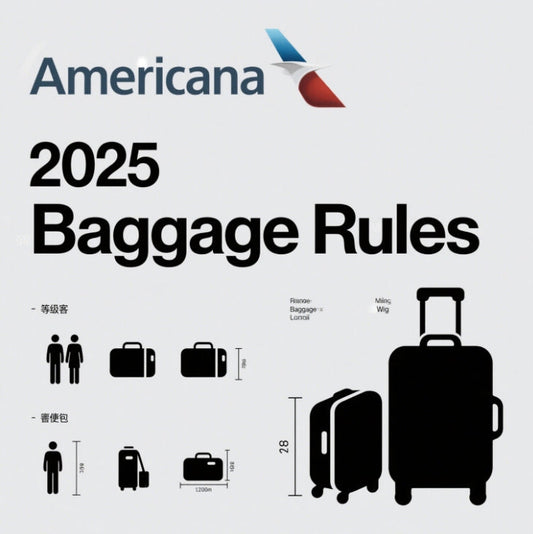
Each passenger may bring one personal item and one carry-on bag onto the aircraft. The personal item must fit under the seat in front of the traveler, while the carry-on bag should fit in the overhead bin. The maximum dimensions for both items are 22 x 14 x 9 inches (56 x 36 x 23 centimeters).
Travelers should ensure their carry-on luggage meets these size requirements to avoid issues during boarding. Additionally, some items—like liquids, gels, and aerosols—have specific restrictions: they must be in containers of 3.4 ounces (100 milliliters) or smaller, and placed in a clear, quart-sized plastic bag.
Excess Baggage Fees
American Airlines imposes excess baggage fees when checked bags exceed weight or size limits. These fees can differ based on the travel destination, class of service, and number of excess items. Travelers are advised to check the airline’s website for the latest excess baggage fee details.
Travelers should plan their luggage carefully to avoid these fees. By familiarizing themselves with the airline’s baggage policy and packing efficiently, they can save money and enjoy a smoother travel experience.
Challenges and Implications
American Airlines’ baggage policy presents several challenges, including balancing passenger convenience with operational efficiency. A key challenge is the growing number of travelers carrying oversized or overweight baggage, which can cause delays and higher operational costs for the airline.
Additionally, the policy has implications for travelers, as it can impact their journey experience. Those who are not aware of the policy may encounter unexpected fees or be unable to bring necessary items on board. Thus, it is important for travelers to learn about the policy and plan their luggage accordingly.
Conclusion
In summary, American Airlines’ baggage policy is a key factor in delivering a seamless and efficient travel experience for its passengers. By understanding the policy’s core components, travelers can avoid unexpected fees and disruptions during their trip. Though the policy has challenges, it remains an important part of the airline’s operations and passenger experience.
As the airline industry evolves, it is important for carriers like American Airlines to regularly review and update their baggage policies to meet travelers’ needs. This can help airlines offer a more enjoyable and stress-free journey for all passengers.
Recommendations and Future Research
To enhance the effectiveness of American Airlines’ baggage policy, the following recommendations are suggested:
1. Boost transparency: American Airlines should make its baggage policy clear and easy to access—both on its website and during the booking process.
2. Provide flexible choices: Explore offering travelers the option to buy extra baggage allowance or excess baggage protection.
3. Improve customer support: Train customer service staff to share accurate, helpful information about the baggage policy.
Future research could focus on the following areas:
1. How baggage policies affect passenger satisfaction and airline profitability.
2. The effectiveness of various baggage policy strategies in cutting down excess baggage and related costs.
3. The part technology plays in simplifying the baggage handling process and enhancing passenger experience.
By acting on these recommendations and exploring these research areas, American Airlines can further improve its baggage policy and deliver an exceptional travel experience for its passengers.


