The Role of Airfare Comparison Sites in the Modern Travel Industry
In the digital age, the travel industry has undergone a significant transformation, with airfare comparison sites emerging as a pivotal tool for consumers and travel agencies alike. These platforms have revolutionized the way travelers search for and book flights, offering a plethora of options and competitive pricing. This article delves into the significance of airfare comparison sites, their impact on the travel industry, and the benefits they provide to both consumers and airlines.
Introduction to Airfare Comparison Sites
Airfare comparison sites are online platforms that aggregate flight information from various airlines and travel agencies. They allow users to compare prices, schedules, and other relevant details across multiple carriers, making it easier to find the best deals and book flights efficiently. Some of the most popular airfare comparison sites include Skyscanner, Kayak, and Expedia.
How Airfare Comparison Sites Work
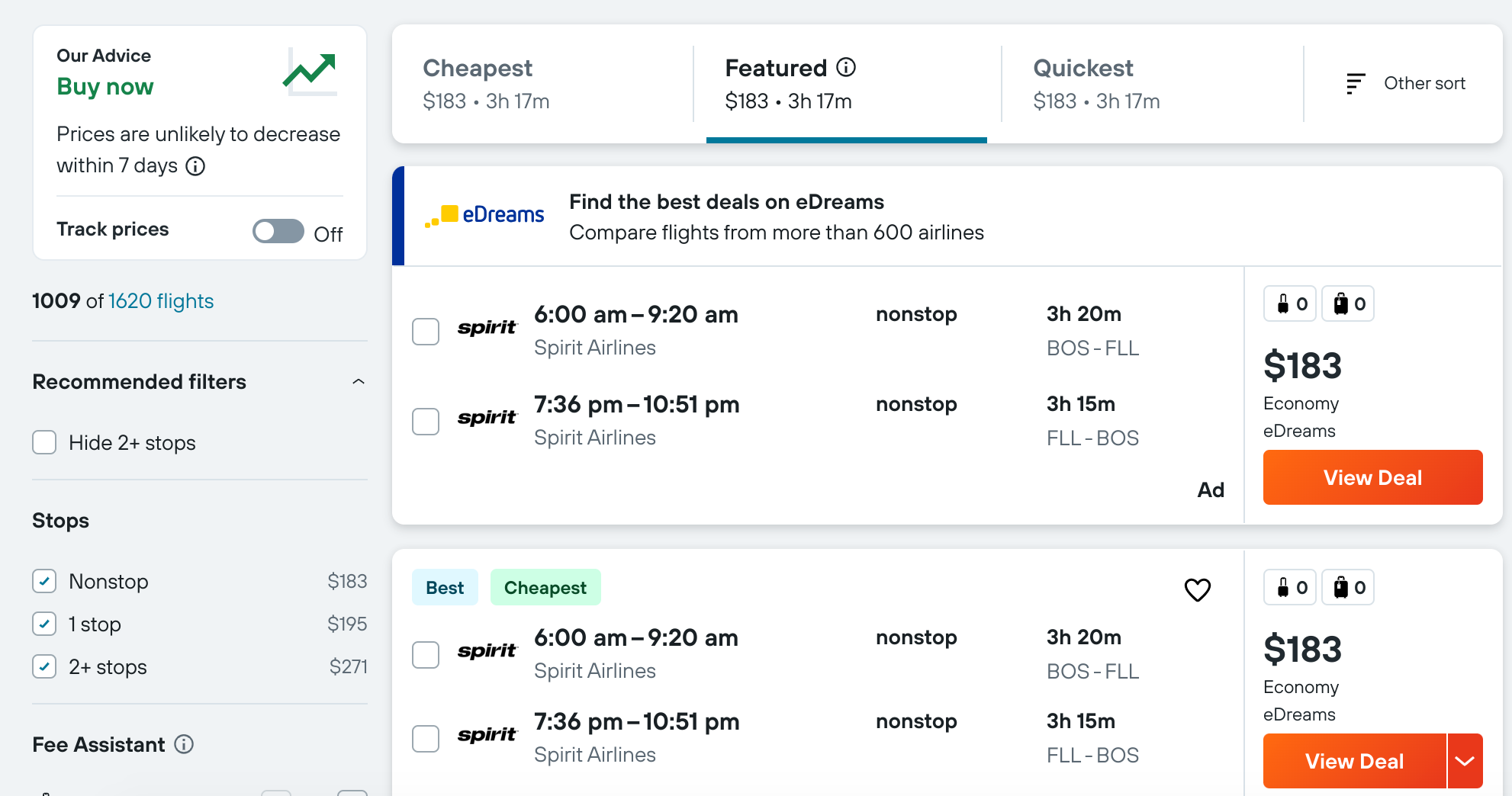
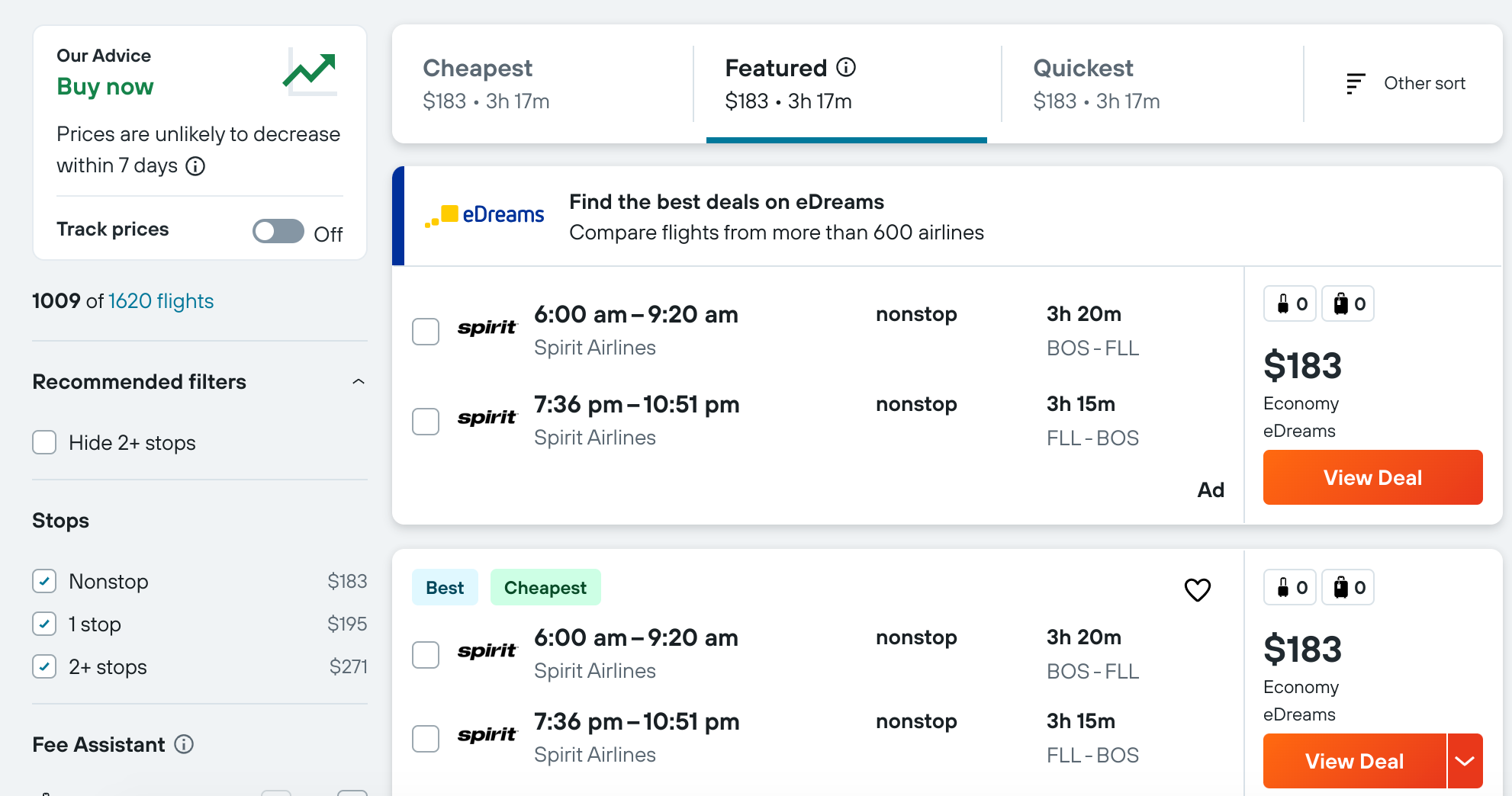
The functioning of airfare comparison sites is relatively straightforward. When a user searches for a flight, the site queries multiple airlines and travel agencies for available options. It then displays the results in a unified format, allowing users to compare prices, schedules, and other factors. This process is facilitated by the use of sophisticated algorithms that can process vast amounts of data in real-time.
Benefits of Airfare Comparison Sites for Consumers
One of the primary benefits of airfare comparison sites is the convenience they offer. Consumers can access these platforms from anywhere in the world, at any time, and compare flight options without the need to visit multiple airline websites. This saves time and effort, especially for those with busy schedules.
Moreover, airfare comparison sites provide users with access to a wide range of flight options. By aggregating data from various airlines and travel agencies, these platforms ensure that users can find the best deals and discounts available. This is particularly beneficial for budget-conscious travelers who are looking to save money on their flights.

Another significant advantage of airfare comparison sites is the ability to filter and customize search results. Users can specify their preferences, such as departure and arrival times, layovers, and airline preferences, to narrow down their search and find the most suitable flight options.
Impact on the Travel Industry
The rise of airfare comparison sites has had a profound impact on the travel industry. For airlines, these platforms have become a crucial channel for attracting customers and generating revenue. By offering competitive pricing and convenient booking options, airlines can increase their market share and improve customer satisfaction.
On the other hand, travel agencies have had to adapt to the changing landscape. Many agencies have started integrating airfare comparison tools into their websites to remain competitive. This has led to a shift in the way travel agencies operate, with a greater emphasis on providing personalized services and value-added benefits to differentiate themselves from online platforms.
Challenges and Limitations
Despite their numerous benefits, airfare comparison sites face several challenges and limitations. One of the main concerns is the accuracy of the data provided. Since these platforms aggregate information from various sources, there is a possibility of discrepancies in pricing and availability. This can lead to frustration for users who find that the prices they see on the comparison site are not the same as those offered by the airlines.
Another challenge is the issue of hidden fees. While airfare comparison sites provide a comprehensive view of flight options, they may not always include additional charges such as baggage fees, seat selection fees, or other ancillary services. This can result in unexpected costs for travelers.
Case Studies and Research Findings
Numerous industry reports and studies have emphasized the growing significance of airfare comparison sites in the travel sector, noting their expanding role in online travel transactions.

Moreover, research has shown that using airfare comparison sites can help consumers save on flight expenses, with many users reporting noticeable cost reductions compared to booking directly with individual airlines.
Conclusion
In conclusion, airfare comparison sites have become an indispensable tool in the modern travel industry. They offer numerous benefits to consumers, including convenience, access to a wide range of options, and the potential for significant savings. For airlines and travel agencies, these platforms represent a crucial channel for attracting customers and generating revenue.
While challenges and limitations exist, the overall impact of airfare comparison sites has been positive. As technology continues to evolve, it is likely that these platforms will become even more sophisticated, providing even greater value to travelers and the travel industry as a whole.
Recommendations and Future Research Directions
To further enhance the effectiveness of airfare comparison sites, the following recommendations are proposed:
1. Improve data accuracy and transparency to ensure that users receive reliable information.
2. Develop advanced algorithms to provide personalized recommendations based on user preferences and past travel behavior.
3. Collaborate with airlines and travel agencies to offer bundled services and discounts, creating additional value for users.
Future research should focus on the following areas:
1. The long-term impact of airfare comparison sites on the travel industry, including its effects on pricing strategies and customer loyalty.
2. The role of artificial intelligence and machine learning in optimizing flight search and booking experiences.
3. The potential of airfare comparison sites in promoting sustainable travel practices and reducing carbon emissions.
By addressing these recommendations and research directions, airfare comparison sites can continue to evolve and contribute to the growth and success of the travel industry.