

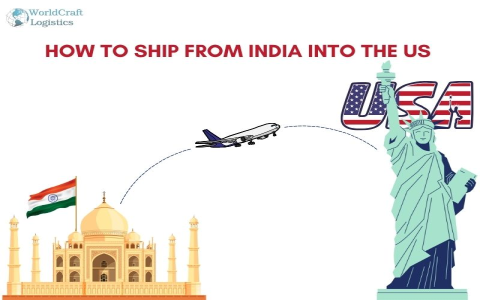
Title: The Dynamics of India to USA Migration: A Comprehensive Analysis
Introduction
The movement of people from India to the United States has been a notable trend over recent decades. This migration is fueled by multiple factors, such as economic prospects, educational goals, and family reunification. This article offers a thorough look at the dynamics of this migration flow—exploring the drivers behind the trend, its effects on both nations, and the future outlook for this pattern.
Reasons for India to USA Migration
A key driver of the growing number of people moving from India to the US is the search for improved economic opportunities. The US is often viewed as a place of potential, with a robust economy and high quality of life. Many skilled professionals from India—such as engineers, medical practitioners, and technology experts—are drawn to the US for enhanced career prospects and competitive compensation.
Another major factor is the pursuit of higher education. The US is well-known for its top-tier educational institutions, and many students from India choose to study at American universities to build a competitive advantage in the global workforce. The Indian community in the US has also supported this trend by providing resources like scholarships, mentorship, and networking connections for Indian students.
Family reunification is another key driver of this migration. Many individuals who have moved from India to the US have built stable, successful lives there and wish to bring their family members to join them. This has contributed to a notable rise in family-based migration from India to the US.
Impact of India to USA Migration
This migration has had a far-reaching impact on both India and the US. In the US, the Indian community has made substantial contributions to economic growth, innovation, and cultural diversity. Many Indian immigrants have launched successful new businesses, advanced technological progress, and filled important skill shortages across different industries.
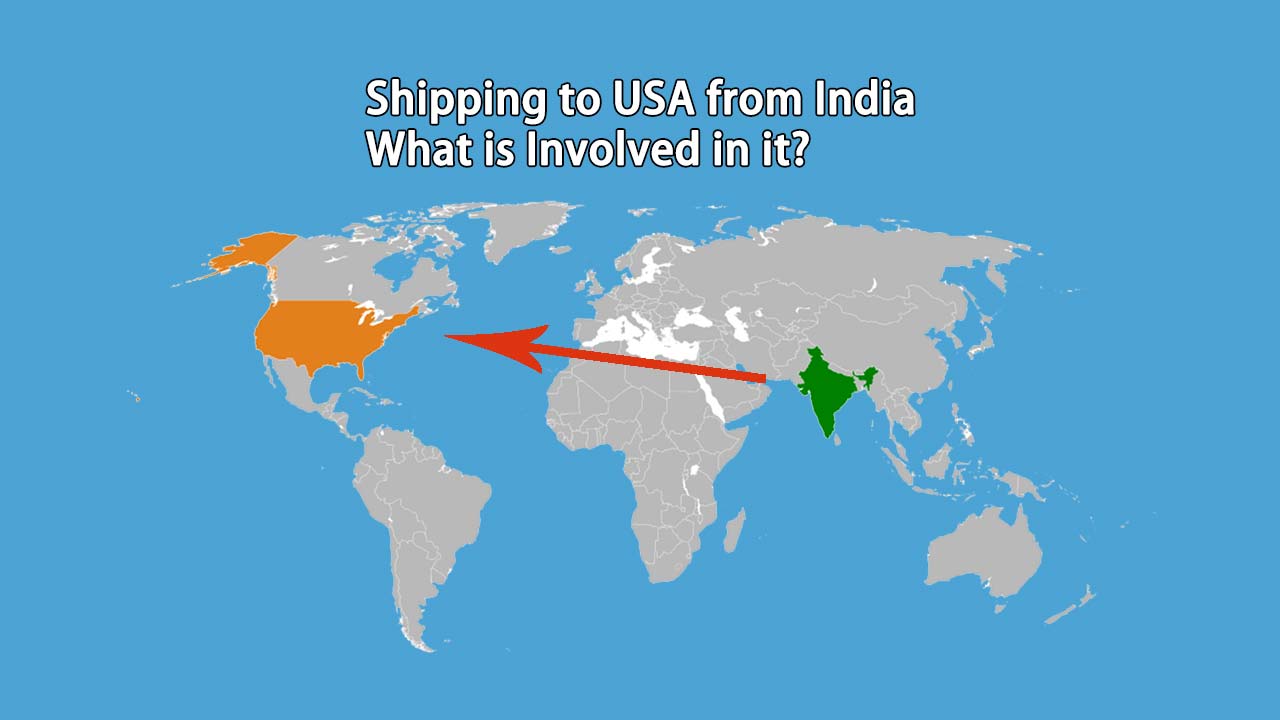
In India, the departure of skilled professionals has sparked discussions about brain drain. Yet, it’s important to recognize that many individuals who move to the US eventually return to India after gaining valuable experience and expertise there. These returnees contribute to India’s economy through financial remittances, entrepreneurship, and sharing of knowledge and skills.
This migration has also nurtured a rich cultural exchange between the two nations. Indian food, music, and festivals have grown in popularity in the US, and American cultural influences have also shaped parts of Indian society.
Challenges and Solutions
While this migration brings many benefits, there are also challenges that need to be addressed. A key challenge is the integration of Indian immigrants into American society. Language barriers, cultural differences, and instances of discrimination can make it hard for new arrivals to settle comfortably.
To tackle this, the US government and non-profit groups can offer more support—such as language classes, cultural orientation programs, and mentorship—to Indian immigrants. Creating a welcoming, inclusive community can also help new residents integrate more easily.
Another challenge relates to visa policies that limit the number of immigrants entering the US. To address this, the US government could explore adjusting its visa rules to simplify the process for skilled professionals and students from India to move to the country.
Future Prospects
The future of migration from India to the US is expected to stay strong, given the deep economic and educational ties between the two nations. That said, the nature of this migration could shift due to factors like geopolitical developments, economic changes, and shifts in immigration policies.
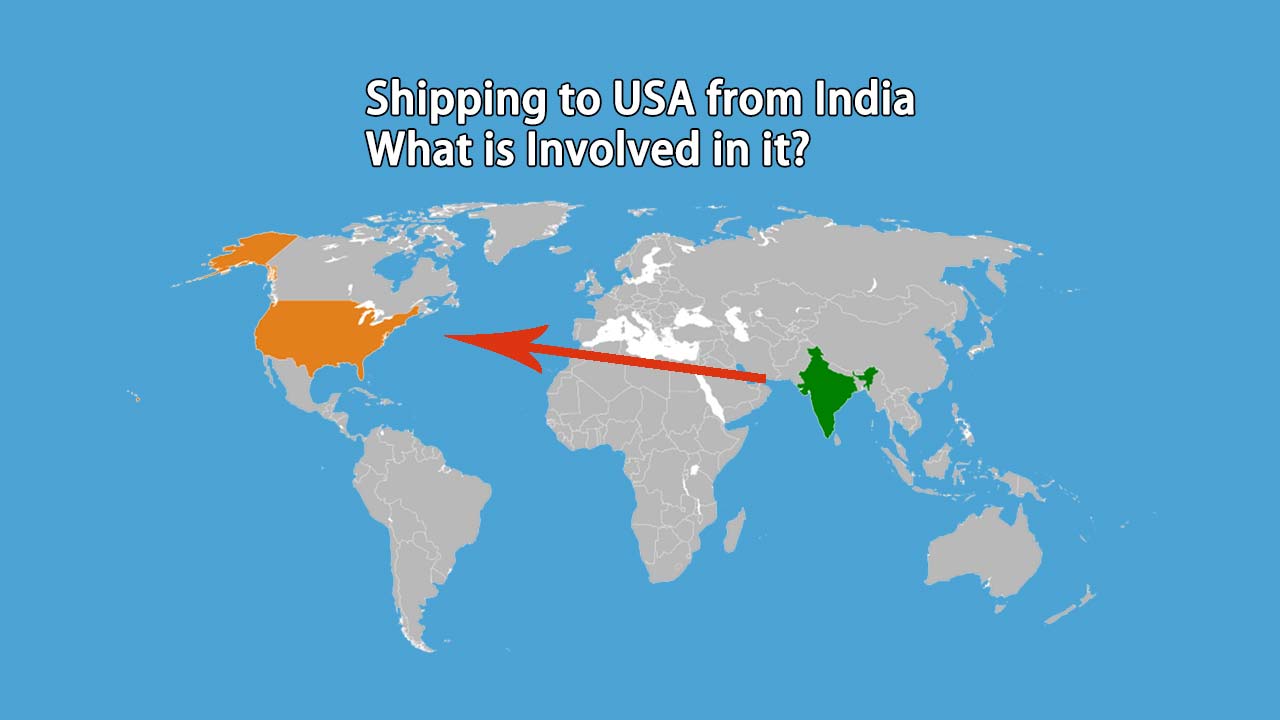
The US government can play a key part in shaping this migration’s future by implementing policies that support diversity, inclusion, and economic growth. This way, the US can keep reaping the benefits of the skills, talent, and cultural richness that Indian immigrants bring.
Conclusion
Migration from India to the US is a complex, multi-faceted trend that has had a meaningful impact on both nations. While economic prospects and educational goals are key drivers, family reunification and cultural exchange also play important roles. By addressing the challenges and putting in place policies that foster inclusivity and diversity, the US can keep leveraging the skills and talent of Indian immigrants. As the global landscape evolves, it will be important to track the dynamics of this migration and adapt strategies to maintain a mutually beneficial relationship between the two countries.


