

Car Rental in France: A Comprehensive Guide
Introduction
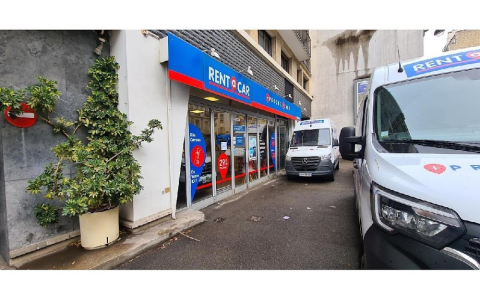
France, celebrated for its rich history, breathtaking landscapes, and vibrant cities, is a beloved destination for travelers worldwide. Renting a car stands out as one of the most convenient ways to explore this diverse nation. This guide aims to cover every aspect of car rental in France—from the booking process to top destinations and essential safety tips.
The Process of Renting a Car in France
1. Planning Your Trip
Before starting the rental process, take time to plan your journey. Decide on your stay duration, the cities or regions you wish to visit, and the type of vehicle that best suits your needs. This will help you select the right rental provider and car.
2. Choosing a Rental Company
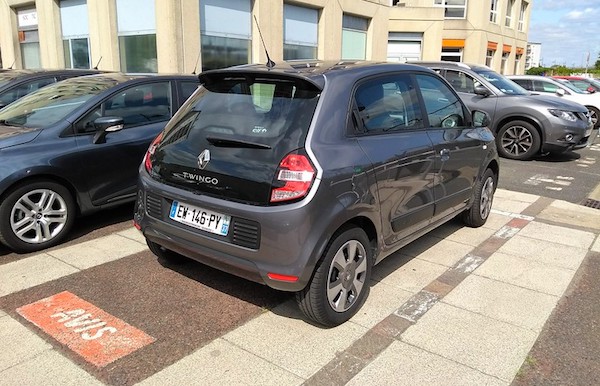
France has a wide range of car rental options, including international chains and local providers. It’s wise to compare prices, read customer reviews, and check the company’s reputation before making a choice.
3. Booking Your Car
Once you’ve selected a provider, you can book online or over the phone. Ensure you provide accurate details about your driver’s license, payment information, and any special requests (like child seats or GPS).
4. Picking Up Your Car
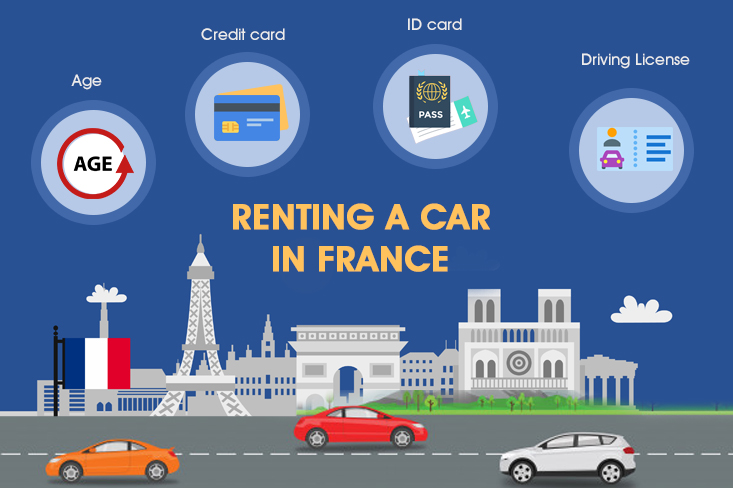
At the rental office, you’ll need to present your valid driver’s license, passport, and payment method. You’ll also be asked to sign a rental agreement—read it carefully to understand the terms (like fuel policies or additional fees) before signing.
Types of Cars Available for Rent in France
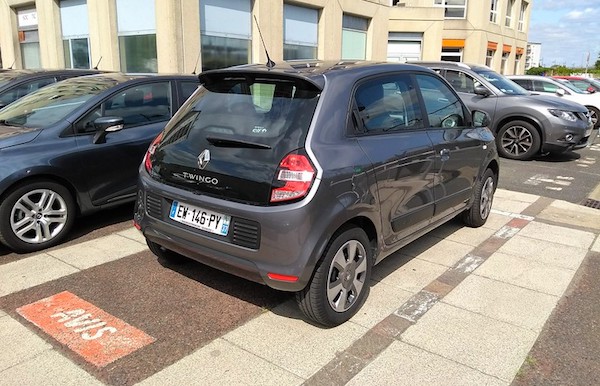
France offers a variety of rental vehicles to fit different needs, from compact models for city trips to luxury cars for special occasions. Here are some popular options:
Compact and Economy Cars
Compact and economy cars are perfect for city driving and short getaways. They’re fuel-efficient and easy to maneuver, making them ideal for exploring bustling French cities like Paris, Lyon, or Marseille.
Mid-Size and Full-Size Cars
Mid-size and full-size cars offer extra space and comfort, great for families or groups. They’re also a solid choice for longer trips, with more legroom and storage for luggage or gear.
Luxury and Sports Cars
For those seeking a premium experience, luxury or sports cars are available. These are ideal for special events or scenic drives along the French Riviera.
Best Places to Visit in France by Car
Renting a car lets you explore France at your own pace, with access to hidden gems and iconic spots. Here are some top destinations:
Paris
Paris, the capital, is a must-visit. Use a rental car to explore landmarks like the Eiffel Tower, Louvre Museum, and Notre-Dame Cathedral (note: some city centers have parking restrictions, so plan accordingly).
The French Riviera
The Côte d’Azur (French Riviera) is a stunning coastal region in southern France. Drive along the Mediterranean coast to visit charming towns like Nice, Cannes, and Saint-Tropez, or stop at hidden coves for a swim.
The Loire Valley
Known as the “Garden of France,” the Loire Valley is famous for its vineyards, historic châteaux, and rolling hills. Rent a car to tour wineries, visit iconic castles like Château de Chambord, and wander through quaint villages.
The Alps
The French Alps offer breathtaking mountain scenery, perfect for winter sports or summer hiking. Drive to ski resorts like Chamonix or Annecy, or explore Alpine villages with cozy cafes and panoramic views.
Precautions to Take When Renting a Car in France
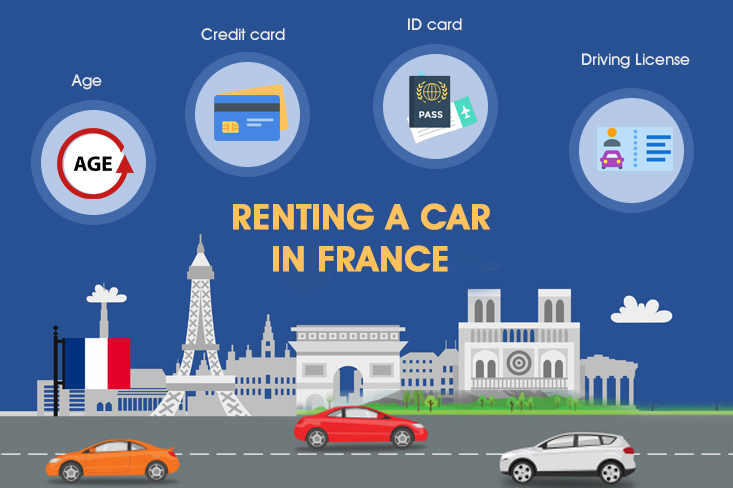
Renting a car in France is convenient, but a few precautions will ensure a smooth trip:
Driver’s License & Documentation
Ensure your driver’s license is valid (most international licenses are accepted for short stays). An International Driving Permit (IDP) is recommended but not always mandatory—check with your rental provider in advance.
Insurance Coverage
Review the insurance included with your rental. Basic coverage may not cover all incidents (like theft or damage to tires). Consider adding extra coverage for peace of mind.
Navigation & Road Rules
France has a complex road network—use a GPS or mobile map app (offline mode is helpful for rural areas). Familiarize yourself with speed limits: 50 km/h in cities, 90 km/h on rural roads, and 110 km/h on highways (adjust for weather).
Parking & Traffic
City centers often have paid parking or restricted zones (like Paris’s “Voies Vertes”). Look for public parking garages or use apps to find spots. Be cautious of roundabouts—yield to cars already in the circle.
Conclusion
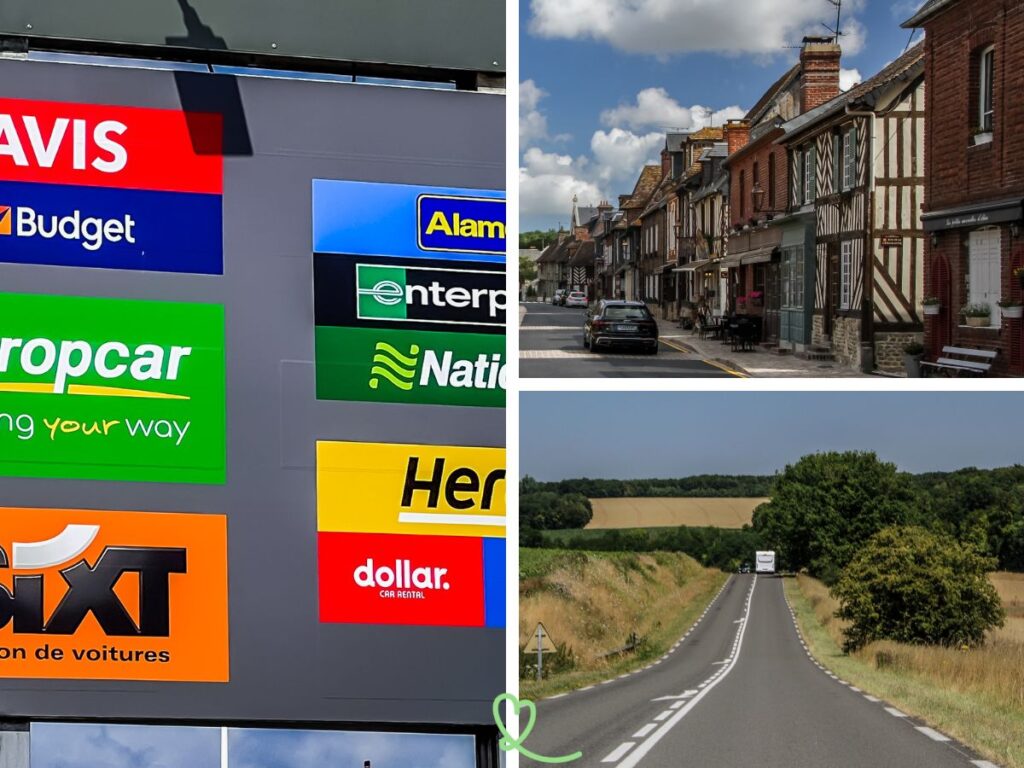
Renting a car in France is a flexible way to experience all the country has to offer. By planning ahead, choosing the right vehicle, and following safety tips, you’ll enjoy a smooth and memorable journey. Bon voyage!


