

The Impact of Kayak on Outdoor Adventure and Recreation
Introduction
Kayak, a versatile and portable watercraft, has gained significant popularity in recent years as a preferred mode of transportation and recreation on water bodies. Originating from Inuit culture, the kayak has been adapted and embraced by outdoor enthusiasts worldwide. This article aims to explore the impact of kayaking on outdoor adventure and recreation, highlighting its benefits, challenges, and the evolving role it plays in the water sports industry.
Historical Background
The kayak, also known as a qajaq in the Inuit language, has a rich historical background. It was traditionally used by the Inuit people for hunting, fishing, and transportation in Arctic regions. The design of the kayak allowed for exceptional maneuverability and speed on icy waters, making it an essential tool for survival in the harsh Arctic climate. Over time, kayaks have evolved, incorporating modern materials and design elements to cater to the needs of outdoor enthusiasts.
Benefits of Kayaking
Versatility
One of the primary advantages of kayaking is its versatility. It can be used on a variety of water bodies, including lakes, rivers, and coastal areas. This adaptability makes it an ideal choice for outdoor adventurers seeking diverse experiences. Whether you are a beginner or an experienced paddler, kayaking offers a unique and thrilling way to explore the water.
Portability
Another significant benefit of kayaking is its portability. Unlike larger boats, kayaks can be easily transported and stored. This feature makes it an excellent choice for backpackers and travelers who want to incorporate water-based activities into their adventures. Kayaks can be carried on top of vehicles, making them accessible for a wide range of outdoor enthusiasts.
Environmental Impact
Kayaking is an eco-friendly option for water-based activities. Unlike motorized boats, kayaks do not emit harmful pollutants into the water, minimizing their impact on the environment. This aspect is particularly important for those passionate about preserving the natural beauty of water bodies and reducing their carbon footprint.
Challenges of Kayaking
Learning Curve
One of the challenges of kayaking is the learning curve associated with paddling techniques and safety. For beginners, it may take some time to master the art of paddling and maintain balance on the water. However, with proper guidance and practice, most individuals can quickly adapt to kayaking.
Weather Conditions
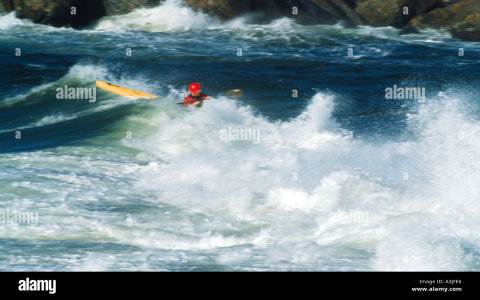
Kayak enthusiasts must be prepared for varying weather conditions. Paddling in strong winds, cold temperatures, or rough waters can be challenging and potentially dangerous. It is crucial for kayakers to check the weather forecast and take appropriate safety measures to ensure a safe and enjoyable experience.
Evolution of Kayaks
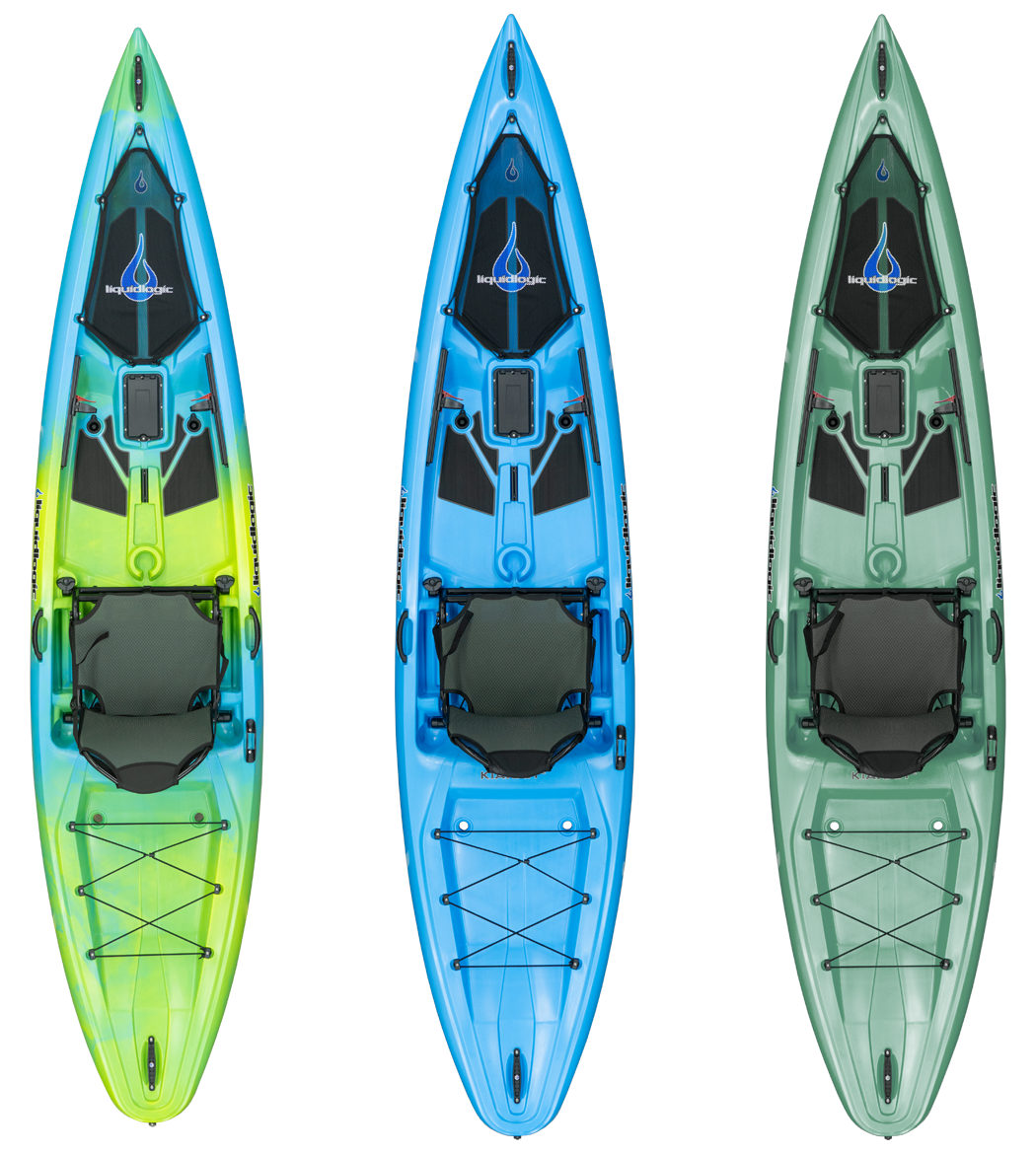
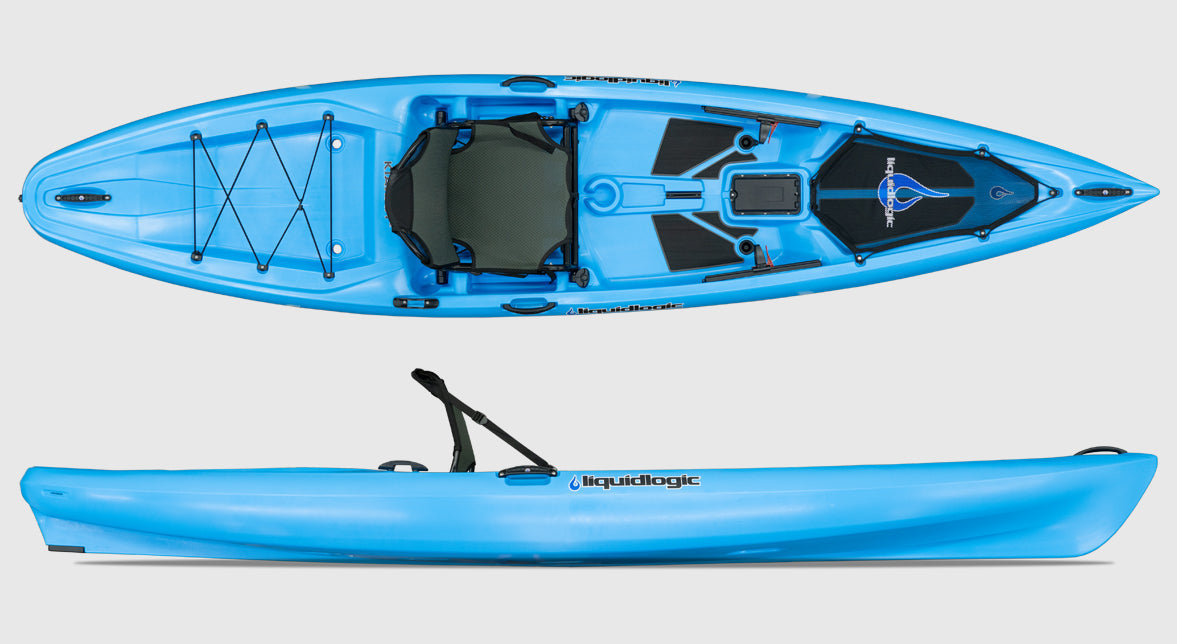
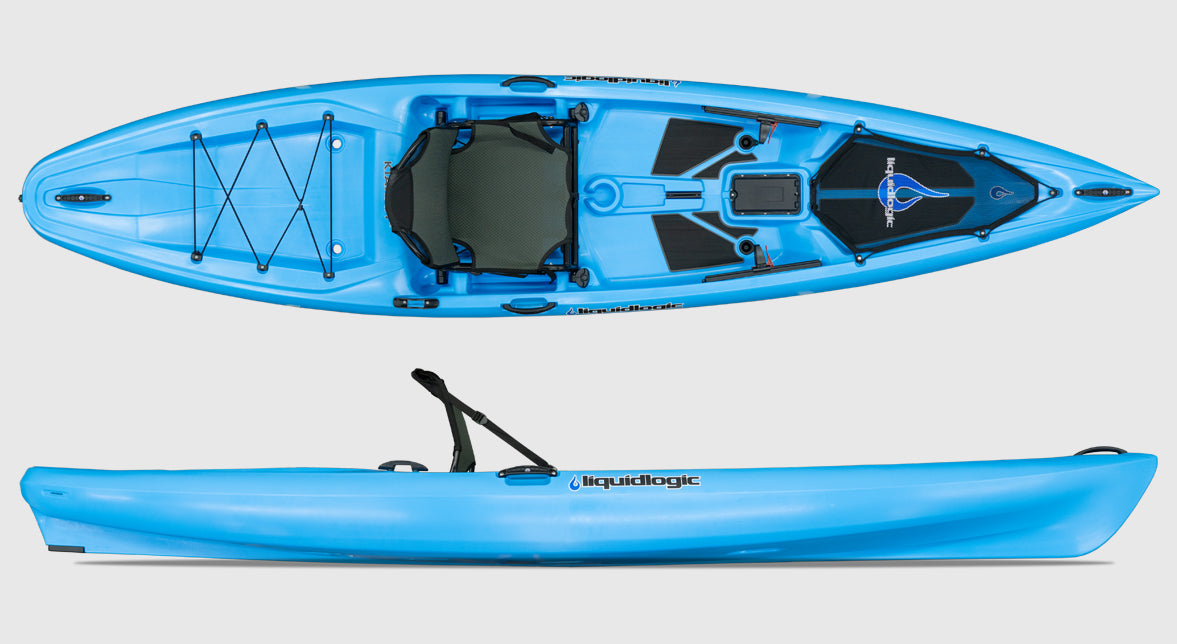
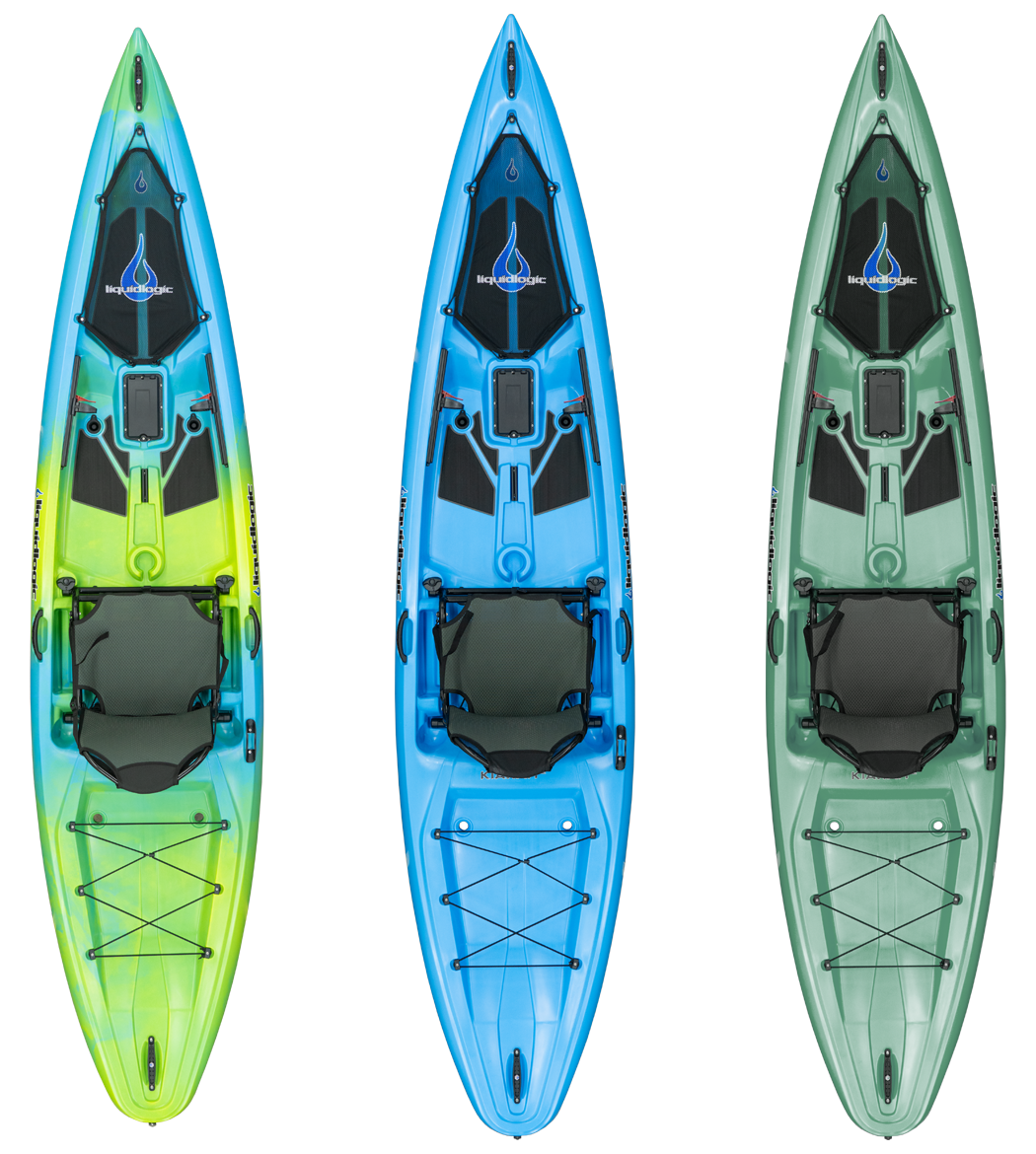
Over the years, kayaks have evolved to cater to the needs of modern outdoor enthusiasts. Their design has been refined to incorporate advanced materials like carbon fiber and Kevlar, which enhance durability and performance. Additionally, various types of kayaks have emerged—including recreational, touring, and whitewater models—each tailored to specific water-based activities.
The Role of Kayaking in the Water Sports Industry
Kayaking has become an integral part of the water sports industry. It has spurred the growth of kayak clubs, races, and competitions worldwide. The popularity of kayaking has also led to the development of accessories and equipment—such as paddles, life jackets, and dry suits—further enhancing the kayaking experience.
Conclusion
In conclusion, kayaking has had a significant impact on outdoor adventure and recreation. Its versatility, portability, and eco-friendliness make it an attractive option for water-based activities. While there are challenges associated with kayaking—such as a learning curve and varying weather conditions—the benefits far outweigh the drawbacks. As kayaking continues to evolve, it is poised to play an even more significant role in the water sports industry, providing enthusiasts with unique and thrilling experiences on the water.
Recommendations and Future Research
To further enhance the kayaking experience, it is recommended that outdoor enthusiasts invest in proper training and safety equipment. Additionally, research should be conducted to develop innovative kayak designs and materials that improve performance and durability. Furthermore, efforts should be made to promote kayaking as an eco-friendly alternative to motorized boats, contributing to the preservation of water bodies and the environment.


