The Evolution and Impact of Kayaking & Exploration in Modern Adventure Tourism
Introduction
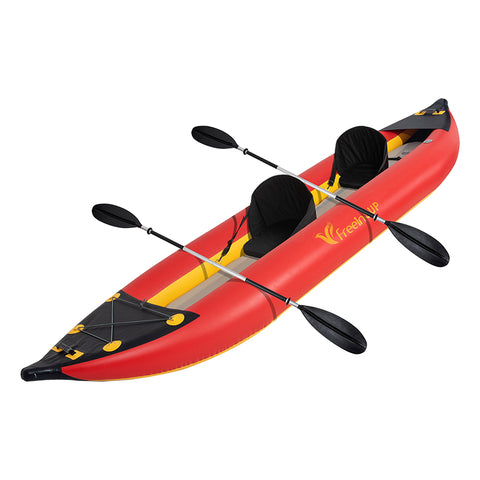
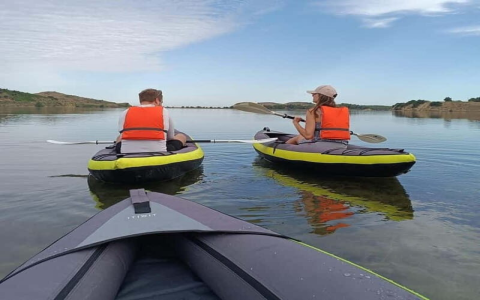
The concept of adventure tourism has evolved dramatically over time, with new activities and experiences constantly emerging. Among these, kayaking and exploration have grown immensely popular thanks to their unique mix of physical challenge, connection to natural beauty, and opportunities for personal growth. This article explores the history, current trends, and future outlook of kayaking and exploration as key elements in modern adventure tourism.
The History of Kayaking and Exploration
Ancient Origins
Kayaking boasts a rich history dating back thousands of years. The earliest kayaks were made from animal skins and used by the Inuit people for hunting and transportation in Arctic regions. These vessels were designed to be lightweight and maneuverable, allowing easy navigation through icy waters.
Modern Evolution
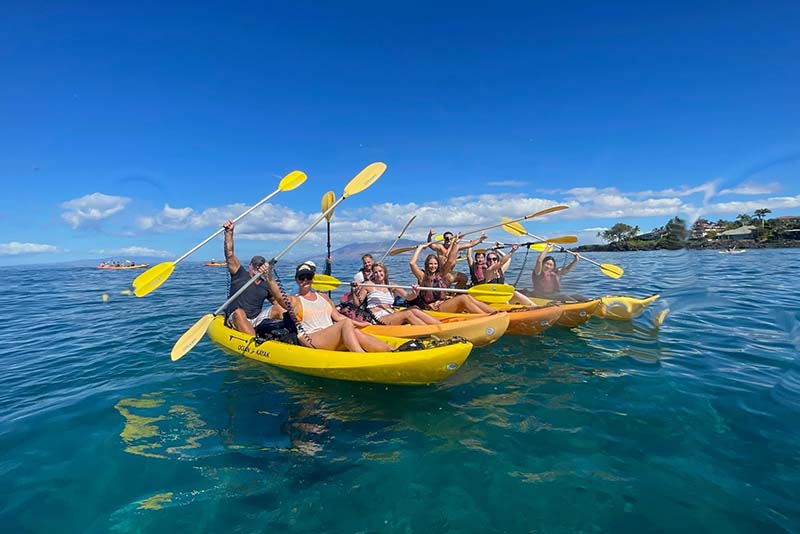
The modern kayak as we know it today emerged in the 19th century, when European explorers began using wooden kayaks for expeditions in the Arctic and Antarctic. These models were larger and less maneuverable than traditional Inuit kayaks but played a crucial role in opening up new exploration frontiers.
The Rise of Adventure Tourism
The mid-20th century marked the rise of adventure tourism, with kayaking becoming one of its most beloved activities. The introduction of plastic and rotomolded materials made kayaks more accessible and affordable, allowing a broader audience to experience the thrill of kayaking and exploration.
Current Trends in Kayaking & Exploration
Technological Advancements
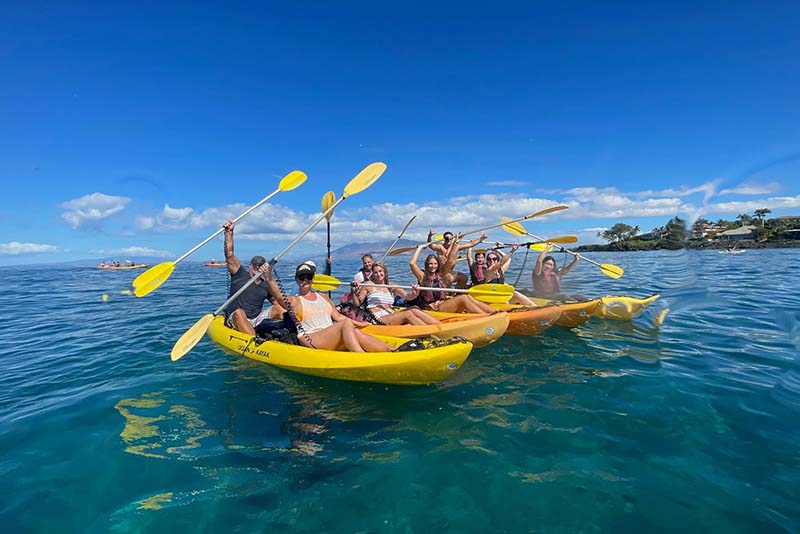
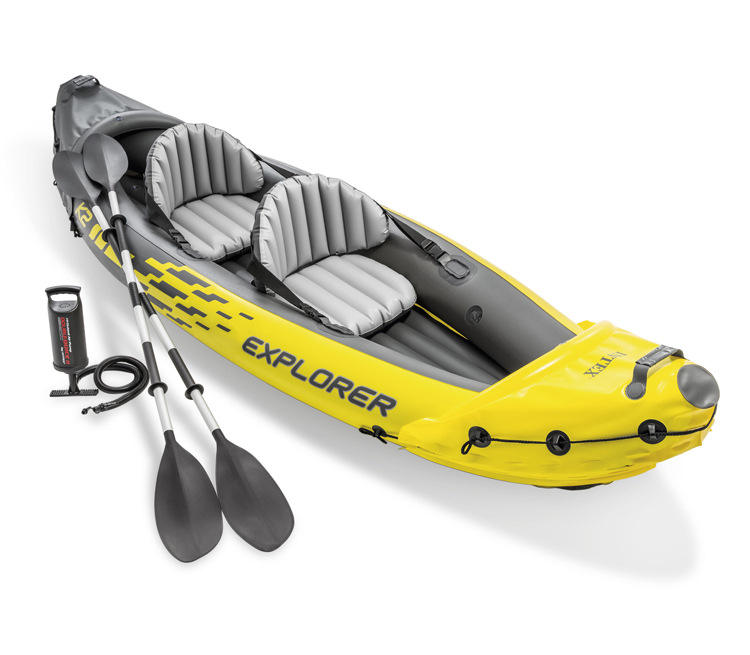
One of the most notable trends in kayaking and exploration is technological progress that has made the sport safer and more accessible. Modern kayaks use advanced materials like carbon fiber and Kevlar, making them lighter, more durable, and comfortable to use. Additionally, tools like GPS devices, personal locator beacons, and other safety equipment have significantly reduced risks associated with kayaking and exploration.
Eco-Tourism
Another key trend is the growing focus on eco-tourism within the kayaking and exploration community. Many adventure tourism companies now offer eco-friendly kayaking trips that prioritize preserving natural environments and promoting sustainable practices. This shift is fueled by increasing awareness of environmental issues and a desire to reduce the impact of human activity on the planet.
Social Media and Sharing
Social media has also played a major role in the popularity of kayaking and exploration. Platforms like Instagram and YouTube allow enthusiasts to share their experiences and inspire others to try the sport. This has led to a surge in interest in kayaking and exploration, as well as higher demand for quality gear and equipment.
The Impact of Kayaking & Exploration on Adventure Tourism
Physical and Mental Health Benefits
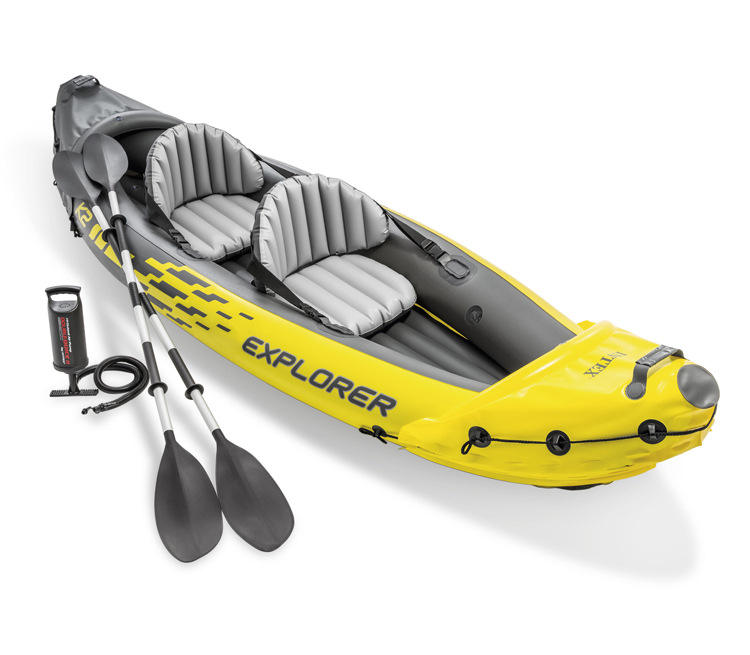
Kayaking and exploration offer numerous physical and mental health benefits. The physical activity involved improves cardiovascular health, muscle strength, and flexibility. Moreover, the serene, peaceful environment of kayaking helps reduce stress and anxiety, boosting overall mental well-being.
Cultural Exchange
Kayaking and exploration also create opportunities for cultural exchange. Many adventure tourism companies offer trips that include visits to remote villages and Indigenous communities, allowing travelers to learn about different cultures, traditions, and ways of life. This fosters greater appreciation for diversity and global citizenship.
Economic Impact
The kayaking and exploration industry has a significant economic impact both locally and globally. It generates revenue for local businesses, creates jobs, and supports infrastructure development in remote areas. Additionally, it draws tourists from around the world, boosting the economies of destinations that offer these experiences.
Future Prospects for Kayaking & Exploration
Technological Integration
In the future, we can expect even deeper integration of technology into kayaking and exploration. This may include virtual reality (VR) and augmented reality (AR) experiences that let kayakers explore virtual environments or interact with historical sites without leaving their boats.
Sustainable Practices
As environmental concerns continue to grow, the kayaking and exploration industry will likely place even greater emphasis on sustainable practices. This could include developing more eco-friendly kayaks, promoting carbon-neutral travel, and implementing stricter guidelines for environmental protection.
Expansion into New Markets
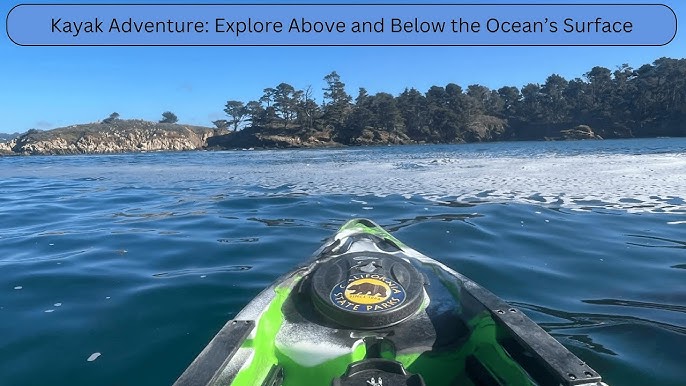
The popularity of kayaking and exploration is expected to keep growing, with new markets emerging in regions that have yet to fully embrace the sport. This could lead to more adventure tourism companies offering kayaking and exploration experiences, as well as a wider variety of destinations and activities.
Conclusion
Kayaking and exploration have become central to modern adventure tourism, offering a unique mix of physical challenge, connection to natural beauty, and opportunities for personal growth. From ancient origins to current trends, the industry has had a significant impact on adventure tourism, providing benefits to individuals, communities, and the environment. As the industry continues to evolve, we can expect greater innovation and growth, making kayaking and exploration accessible and enjoyable for people of all ages and backgrounds.
Recommendations and Future Research
To further enhance the kayaking and exploration industry, the following recommendations are proposed:
1. Governments and local authorities invest in infrastructure development to support the industry’s growth.
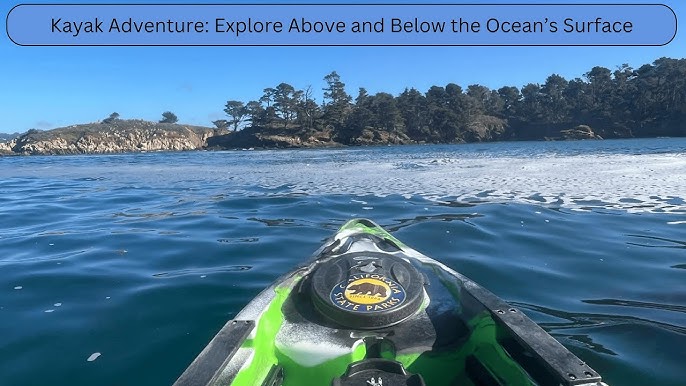
2. Adventure tourism companies prioritize sustainable practices and eco-friendly initiatives.
3. Educational programs and workshops be developed to promote safety and responsible kayaking and exploration.
Future research should focus on:
1. The long-term environmental impact of kayaking and exploration across various ecosystems.
2. The economic benefits of the kayaking and exploration industry in different regions.
3. The psychological effects of kayaking and exploration on individuals and communities.