

The Impact of Hotel Internet Sites on the Hospitality Industry
Introduction
In the digital age, the hospitality industry has undergone a significant transformation, with hotel websites playing a pivotal role in this evolution. These online platforms have become essential tools for hotels to market their services, connect with customers, and enhance overall business operations. This article explores the multifaceted impact of hotel websites on the hospitality industry, covering their role in marketing, customer engagement, operational efficiency, and the overall guest experience.
The Role of Hotel Internet Sites in Marketing
1.1 Online Presence and Brand Awareness
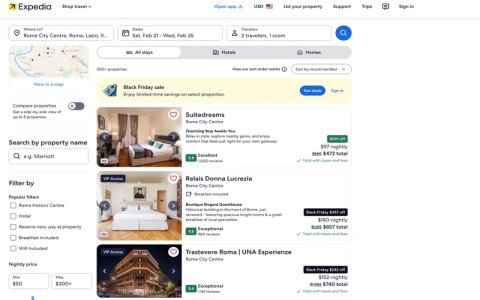
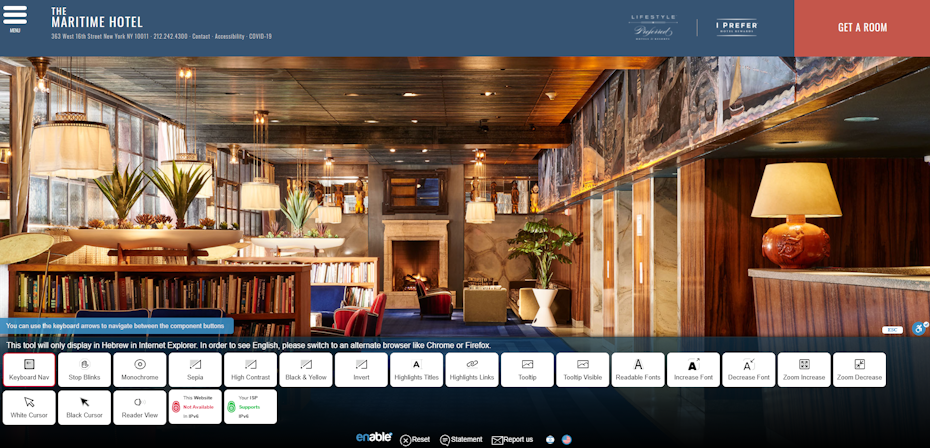
Hotel websites serve as the digital face of a hotel, providing a platform to showcase its amenities, services, and unique selling points. A well-designed site can significantly boost a hotel’s online presence and brand awareness. Many travelers rely on online travel agencies (OTAs) to book accommodations, underscoring the importance of a strong digital footprint for hotels.
1.2 Targeted Marketing and Personalization
Hotel websites allow hotels to implement targeted marketing strategies by collecting and analyzing customer data. This data can be used to personalize marketing campaigns, offering tailored promotions and recommendations to guests based on their preferences and past interactions. Personalization not only boosts customer satisfaction but also increases the chance of repeat bookings.
Customer Engagement and Experience
2.1 Enhanced Communication Channels
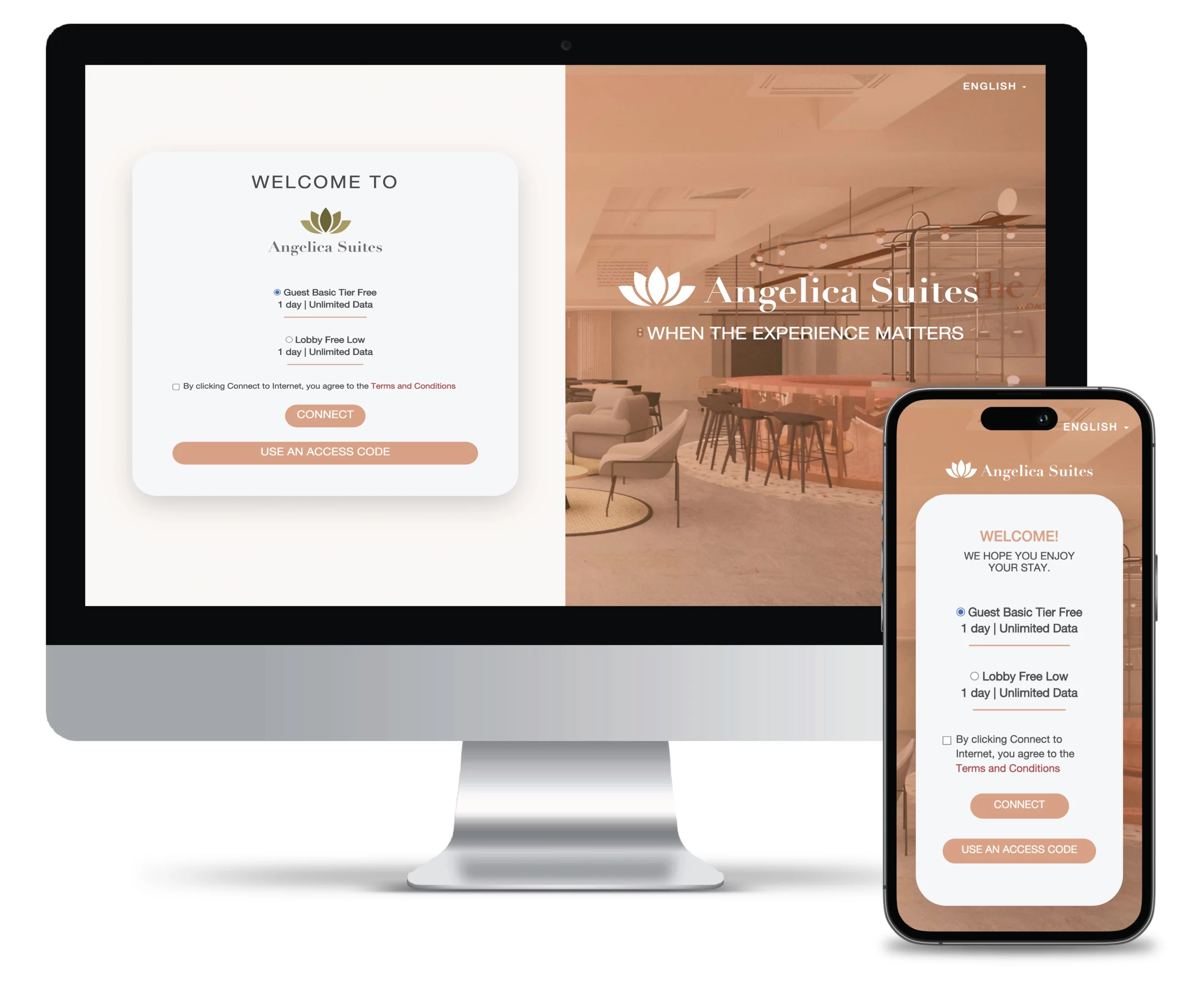
Hotel websites offer various communication channels—like live chat, email, and social media integration—allowing guests to interact with hotel staff in real time. This improved communication builds trust and convenience, as guests can get help or share feedback without needing in-person interaction.
2.2 Online Reviews and Reputation Management
Online reviews are now a key factor in travelers’ decision-making. Hotel websites let guests leave reviews and ratings, which can greatly affect a hotel’s reputation. By actively managing these reviews, hotels can address customer concerns, highlight their strengths, and boost their overall standing.
Operational Efficiency
3.1 Streamlined Booking Process
Hotel websites simplify the booking process, letting guests reserve accommodations, make special requests, and even check in online. This saves time for both guests and staff, while also reducing the chance of booking errors.
3.2 Data-Driven Decision Making
Hotel websites provide valuable data on customer preferences, booking patterns, and revenue streams. This data helps hotels make informed decisions about pricing, marketing strategies, and operational improvements. As the hospitality industry grows, data-driven decision-making becomes increasingly important for success.
The Future of Hotel Internet Sites
4.1 Integration of Artificial Intelligence
Integrating artificial intelligence (AI) into hotel websites is set to transform the hospitality industry. AI-powered chatbots can offer 24/7 customer support, personalized recommendations, and predictive analytics. This technology can greatly enhance the guest experience and boost operational efficiency.
4.2 Mobile Optimization
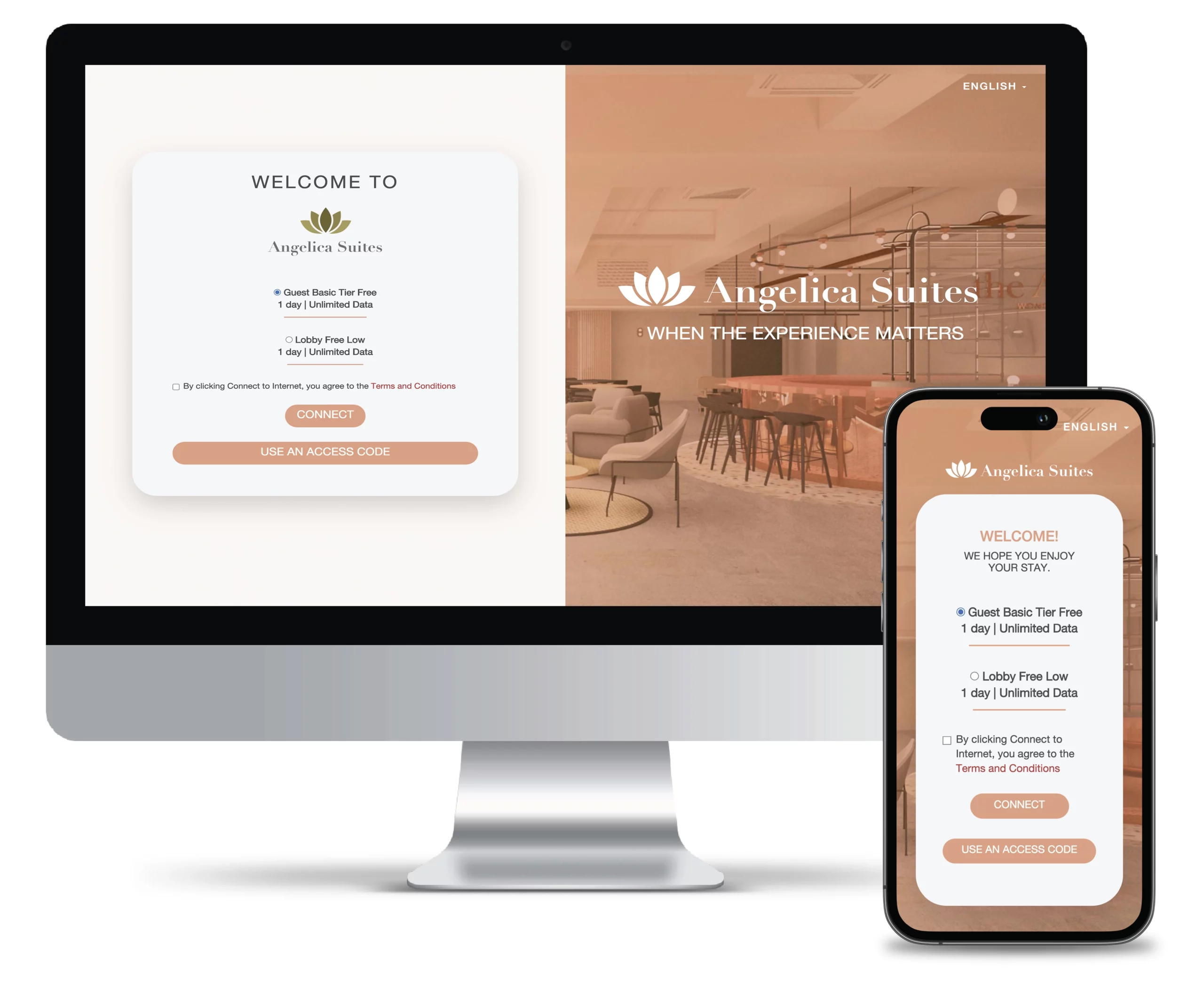
As smartphone use continues to rise, mobile optimization has become a key part of hotel websites. A mobile-friendly site ensures guests can access hotel information and services on the go, improving their overall experience.
Conclusion
Hotel websites have become indispensable tools for hotels in the digital age. They play a vital role in marketing, customer engagement, operational efficiency, and the overall guest experience. As the hospitality industry evolves, these websites will undoubtedly take on an even more important role in shaping the industry’s future. By using technology and data effectively, hotels can boost their online presence, improve customer satisfaction, and achieve greater success.
Recommendations and Future Research
To maximize the impact of their websites, hotels should focus on the following:
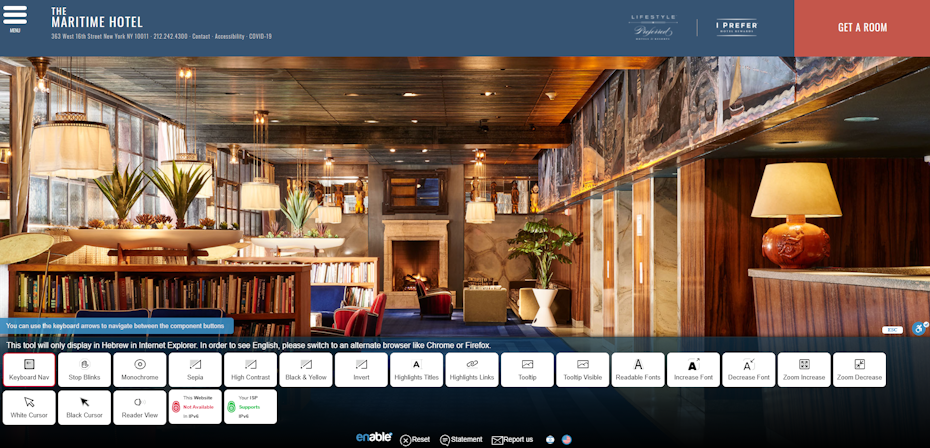
1. Investing in a well-designed, mobile-optimized website.
2. Implementing targeted marketing strategies based on customer data.
3. Offering exceptional customer service via various online communication channels.
4. Actively managing online reviews and reputation.
Future research should explore the following areas:
1. The impact of AI and machine learning on hotel websites.
2. The role of social media in hotel marketing and customer engagement.
3. The effectiveness of personalized marketing strategies in the hospitality industry.
By continuously adapting to the evolving digital landscape, hotels can secure their success in the competitive hospitality industry.


