

The Impact of Transportation on the New York to St. Louis Corridor
Introduction
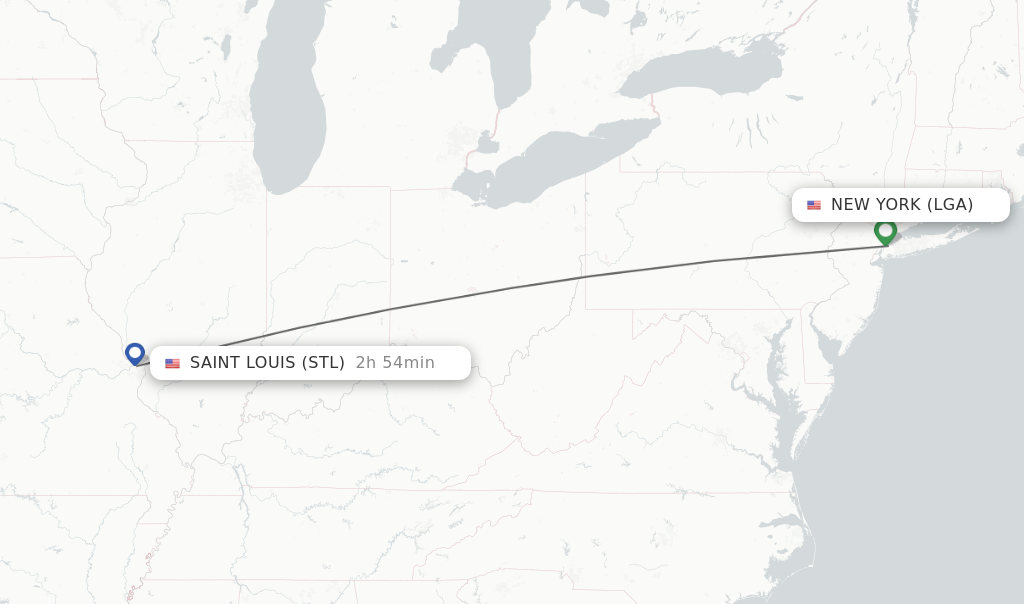
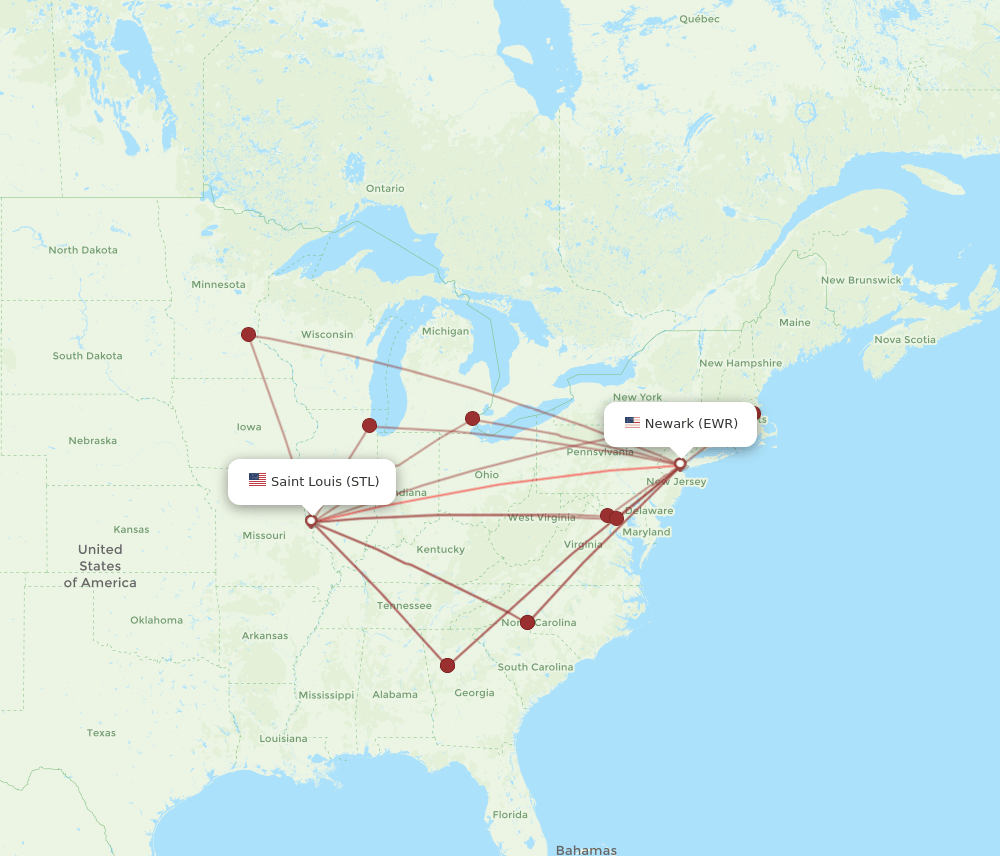
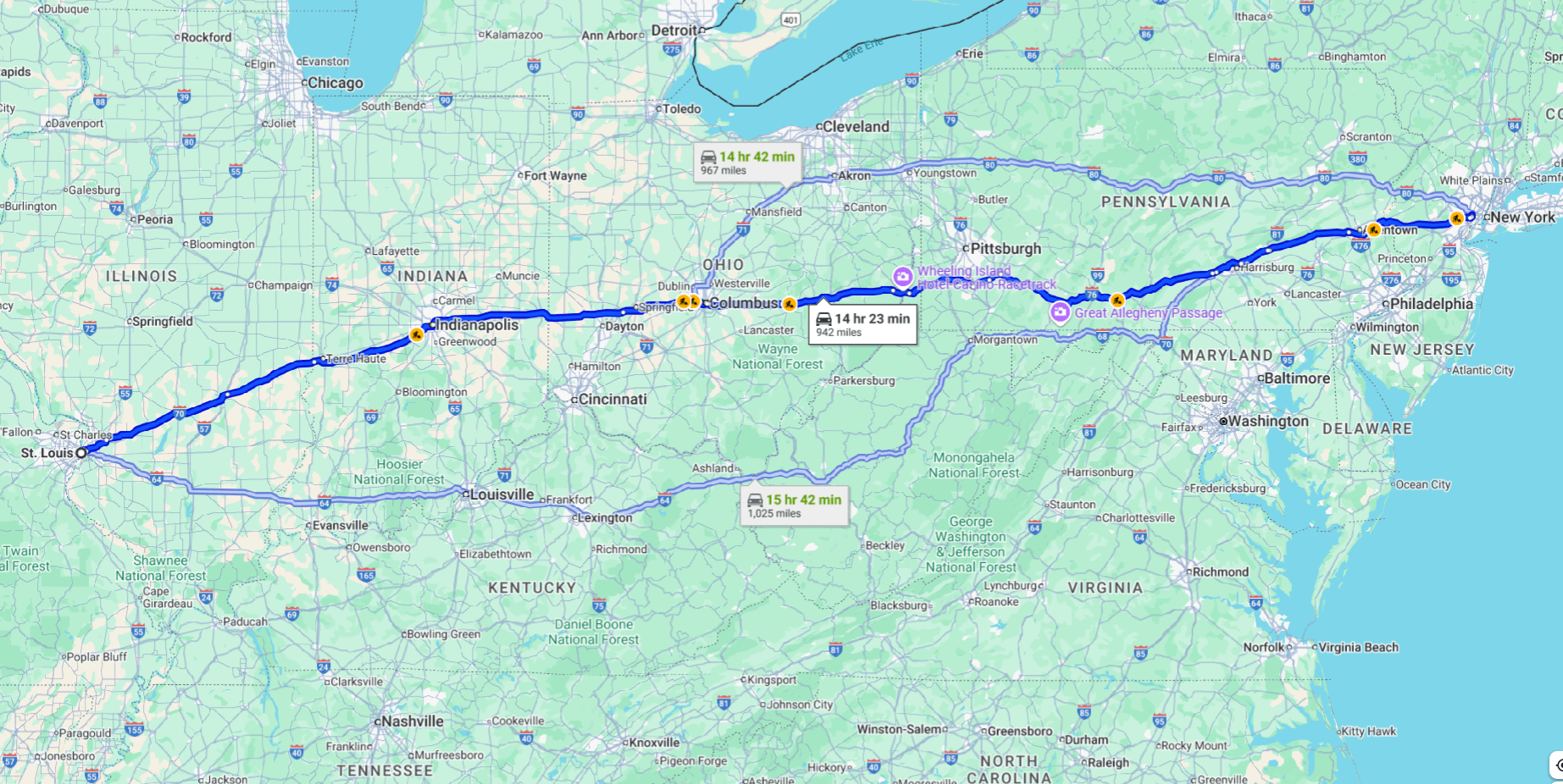
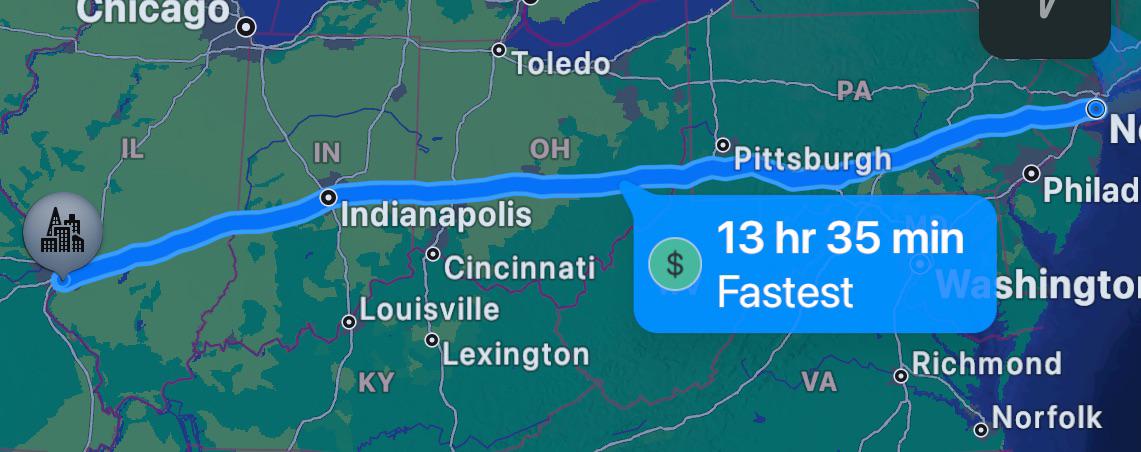
The New York to St. Louis corridor has served as a vital artery for transportation and commerce in the United States for over two centuries. Stretching from the dynamic streets of New York City to the heartland of St. Louis, this corridor has witnessed the evolution of transportation technologies, economic growth, and cultural exchange. This article explores the historical and contemporary significance of this corridor, its impact on regional development, and the challenges it faces in the 21st century.
Historical Context
The New York to St. Louis corridor has a rich history dating back to the early 19th century. The construction of the Erie Canal in 1825 connected the Great Lakes to the Atlantic Ocean, facilitating trade between New York and the Midwest. This was followed by the expansion of the railroad network, which further accelerated the movement of goods and people along the corridor.
The Erie Canal
The Erie Canal was a revolutionary engineering achievement that transformed the New York to St. Louis corridor. It enabled efficient transportation of goods from New York to the U.S. interior, significantly reducing travel time and costs. The canal’s success laid the foundation for regional economic growth.
The Railroads
Railroad construction in the 19th century further enhanced the corridor’s importance. The first transcontinental railroad, completed in 1869, linked the East Coast to the West Coast, making the corridor even more critical for national transportation and trade.
Economic Impact
The New York to St. Louis corridor has been a major driver of U.S. economic growth. It has facilitated the movement of goods, services, and people, contributing to the development of industries, cities, and regional economies.
Industrial Development
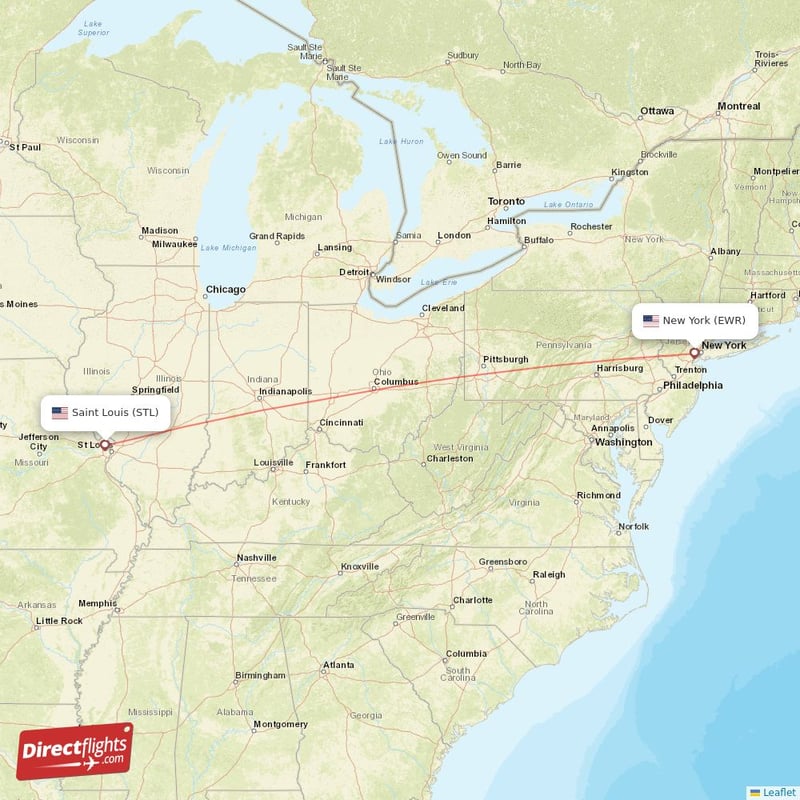
The corridor has been a hub for industrial development, with cities like Pittsburgh, Cleveland, and Chicago benefiting from easy access to raw materials and markets. The steel industry, in particular, has thrived along this corridor, supported by the Great Lakes’ vast iron ore resources.
Urban Growth
The corridor has also been instrumental in urban growth. Efficient transportation of goods and people has spurred the development of urban centers, with New York and St. Louis emerging as major metropolitan areas. These cities have become hubs of culture, education, and commerce.
Transportation Technologies
The New York to St. Louis corridor has seen the adoption and advancement of various transportation technologies over the years. From the Erie Canal to modern intermodal transportation, the corridor has been at the forefront of technological progress.
The Erie Canal
The Erie Canal was an engineering marvel of its time. It was not only a technological breakthrough but also a testament to the ingenuity of those who built it. The canal’s success paved the way for future transportation projects.
The Railroads
Railroads revolutionized transportation along the corridor. The development of steam locomotives and the expansion of the railroad network enabled efficient movement of goods and people. This drove growth in the transportation industry and created new job opportunities.
Modern Transportation
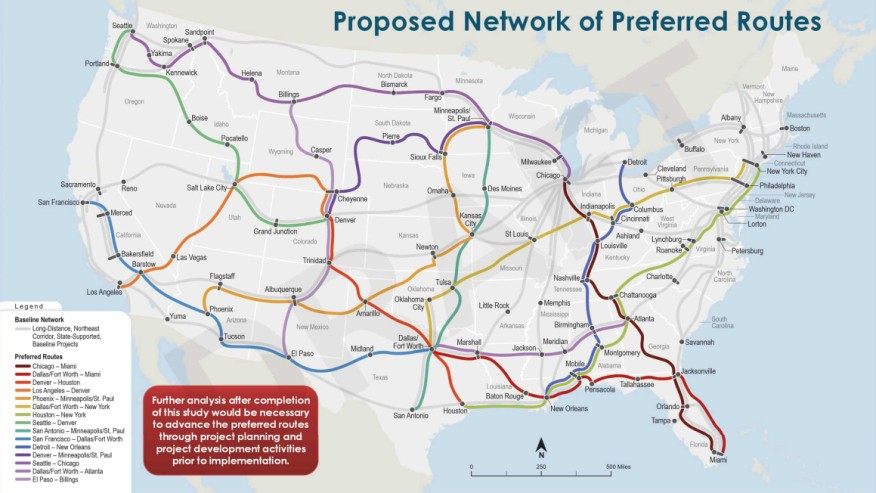
Today, the New York to St. Louis corridor relies on a mix of transportation modes, including highways, railroads, and waterways. The intermodal transportation system has become critical for efficient goods movement, with the corridor serving as a major hub for this system.
Challenges and Opportunities
Despite its historical and economic significance, the New York to St. Louis corridor faces several challenges in the 21st century. These include aging infrastructure, environmental concerns, and the need for technological innovation.
Aging Infrastructure
Aging infrastructure along the corridor is a key concern. Many railroads, bridges, and tunnels built over a century ago require significant upgrades to ensure safety and efficiency, underscoring the need for urgent investment.
Environmental Concerns
The transportation sector is a major contributor to greenhouse gas emissions and pollution. The New York to St. Louis corridor, with its heavy reliance on fossil fuels, faces environmental challenges that need to be addressed. Transitioning to cleaner, more sustainable transportation technologies is crucial for the corridor’s future.
Technological Innovation
Technological innovation is key to addressing the corridor’s challenges. The development of autonomous vehicles, electric trains, and advanced logistics systems can improve efficiency, reduce costs, and minimize environmental impact.
Conclusion
The New York to St. Louis corridor has played a pivotal role in the economic and cultural development of the United States. From the Erie Canal to modern intermodal transportation, the corridor stands as a testament to human ingenuity and perseverance. However, it faces significant challenges that require immediate attention. By investing in infrastructure, promoting sustainable practices, and embracing technological innovation, the corridor can continue to be a vital link in the nation’s transportation network.
Recommendations and Future Research
To ensure the continued success of the New York to St. Louis corridor, the following recommendations are proposed:
1. Invest in Infrastructure: Upgrade aging infrastructure to improve safety, efficiency, and sustainability.
2. Promote Sustainable Practices: Encourage the use of renewable energy and cleaner transportation technologies.
3. Foster Innovation: Support research and development in transportation technologies to enhance efficiency and reduce environmental impact.
Future research should focus on the following areas:
1. Economic Impact of Transportation: Study the economic benefits of transportation infrastructure on regional development.
2. Environmental Impact of Transportation: Assess the environmental consequences of transportation and propose mitigation solutions.
3. Technological Innovation: Explore new transportation technologies and their potential to transform the corridor’s future.
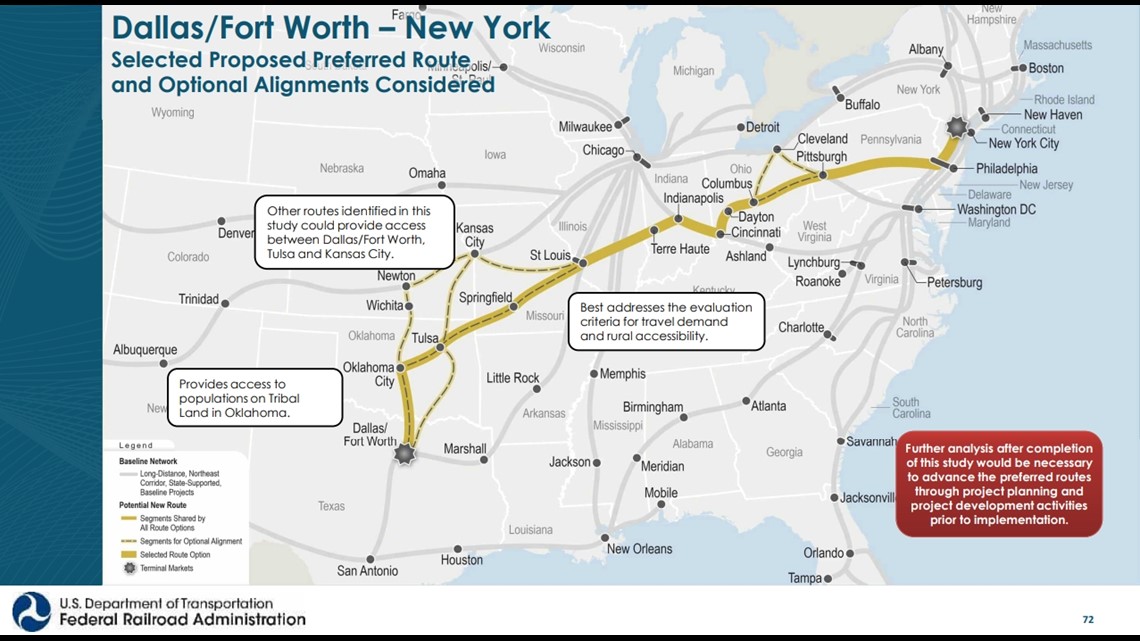
By addressing these challenges and opportunities, the New York to St. Louis corridor can continue to be a vital link in the U.S. transportation network, fostering economic growth and cultural exchange for generations to come.


