

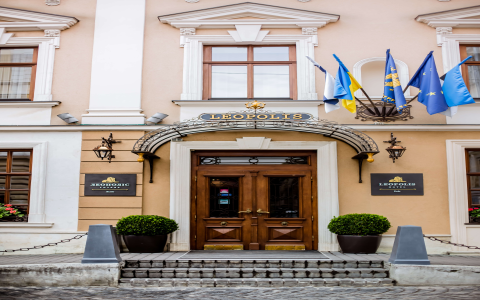
The Legacy and Modernity of Hotel Leopoli: A Hub of Luxury and History
Introduction
Nestled in the heart of Krakow, Poland, Hotel Leopoli stands as a testament to the city’s rich history and its commitment to modern luxury. Since its opening in 1896, this iconic hotel has been a beacon for travelers seeking both comfort and cultural immersion. This article delves into the history, architecture, and contemporary significance of Hotel Leopoli, exploring how it has become an integral part of Krakow’s identity.
The Historical Significance of Hotel Leopoli
Hotel Leopoli was established by a prominent local industrialist who aimed to create a hotel that would welcome the increasing number of visitors to Krakow. The hotel’s name drew inspiration from a beloved historical figure associated with the region, marking a notable milestone in Krakow’s hospitality scene as one of the area’s first luxury establishments.
During the interwar years, Hotel Leopoli emerged as a symbol of elegance and refinement. It was a favored destination for notable figures from various fields, drawn by its opulent amenities—including a grand ballroom, a spa, and a celebrated restaurant—making it a sought-after spot for both locals and international guests.
The Architecture of Hotel Leopoli
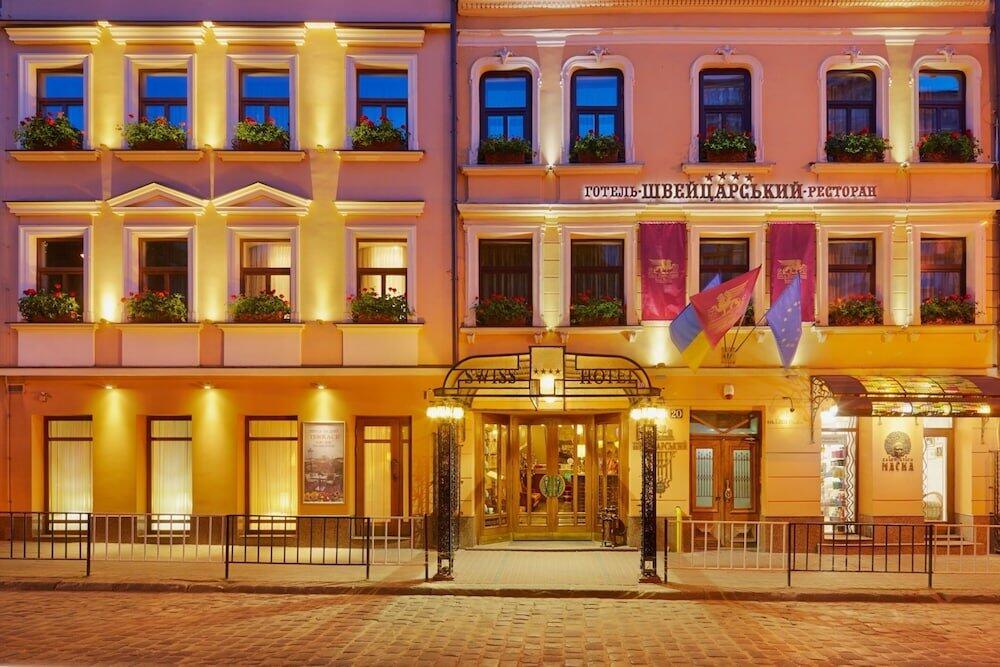
Hotel Leopoli is a stunning example of Art Nouveau architecture, a style popular across Europe in the late 19th and early 20th centuries. Its facade features intricate ironwork, floral motifs, and other signature Art Nouveau elements, lending it a unique and timeless charm that reflects the era’s focus on organic forms and natural inspiration.
Over the decades, Hotel Leopoli has undergone careful renovations to preserve its original character while integrating modern comforts. These restoration efforts have been meticulous, balancing historical authenticity with contemporary convenience to ensure guests enjoy a luxurious and comfortable stay.
The Contemporary Significance of Hotel Leopoli
Today, Hotel Leopoli remains a vibrant hub for cultural exchange, hosting conferences, workshops, and events that bring together people from diverse backgrounds. Its central location in Krakow makes it an ideal venue, as it is conveniently close to many of the city’s key cultural landmarks.
Hotel Leopoli has become synonymous with Polish hospitality. The hotel’s staff is renowned for their warmth and attentiveness, ensuring that guests feel welcomed and cared for during their stay. This commitment to exceptional service has helped to solidify Hotel Leopoli’s reputation as one of the finest hotels in Europe.
The Impact of Hotel Leopoli on Krakow
Hotel Leopoli contributes substantially to the local economy, offering employment to many residents of Krakow. Its success has also boosted the region’s tourism sector, drawing visitors from across the globe.
By maintaining its historic architecture and blending traditional charm with modern amenities, Hotel Leopoli supports the preservation of Krakow’s cultural heritage. It stands as a reminder of the city’s rich past while embodying its forward-looking spirit.
Conclusion
Hotel Leopoli is more than a hotel—it is a living symbol of Krakow’s history, culture, and warm hospitality. Its distinctive Art Nouveau architecture, luxurious offerings, and attentive service have made it an iconic destination for travelers seeking a memorable experience. As Krakow evolves, Hotel Leopoli continues to be a dedicated steward of the city’s heritage, ensuring its legacy endures for future generations.
Recommendations and Future Research
To strengthen its legacy, it is suggested that Hotel Leopoli continue investing in careful restoration and preservation. This will uphold its historical authenticity while drawing more visitors to Krakow. Future research could also examine the hotel’s influence on the wider hospitality sector and its role in shaping Krakow’s cultural identity.


