

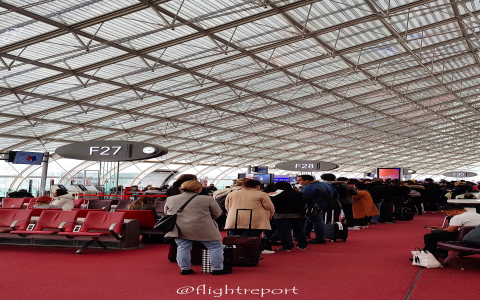
The Impact of Air Travel: A Focus on Flights Between Paris and Rome
Introduction
Air travel has become an integral part of modern life, connecting people worldwide and enabling business, tourism, and personal connections. One of Europe’s most popular routes is flights between Paris and Rome—a journey that captures the essence of European travel. This article explores the significance of this route, its impact on the travel industry, and the factors shaping airfare costs and availability.
The Significance of the Paris to Rome Route
The Paris to Rome route is among Europe’s busiest international air routes, linking two of the continent’s most iconic cities—each with distinct culture, history, and attractions. Paris, the “City of Light,” is renowned for art, fashion, and culinary excellence. Rome, by contrast, is steeped in ancient history and home to world-famous landmarks like the Colosseum and Vatican City.
Cultural Exchange
The Paris to Rome route fosters not just tourism but also cultural exchange. Visitors from Paris often bring French fashion and culinary expertise to Rome, while Romans share their rich history and architectural marvels with their French counterparts. This exchange enriches both cities and contributes to the global tapestry of human experience.
Factors Influencing Airfare Prices
Airfare costs between Paris and Rome can vary widely based on several factors. Understanding these can help travelers make informed decisions and potentially save money.
Seasonality
Seasonality is a key factor affecting airfare prices. This route is most popular in summer, when tourists flock to both cities to enjoy pleasant weather and historical sites. During peak season, prices rise due to high demand. Conversely, traveling in off-peak periods—such as spring or autumn shoulder months—can yield lower fares.
Airline Competition
The Paris to Rome route is served by multiple airlines, including major carriers like Air France and Alitalia, as well as budget airlines such as Ryanair and EasyJet. Competition among these airlines significantly impacts ticket prices. Budget carriers often offer lower fares, but travelers should note potential hidden costs like checked luggage fees and seat selection charges.
Booking Time
Booking timing also affects airfare prices. Generally, booking well in advance leads to lower fares, as airlines offer discounts to fill seats. However, last-minute bookings may be necessary for flexible travelers—while these are often pricier, discounted rates can sometimes be found via online travel agencies (OTAs).
The Role of Technology in Air Travel
Technological advancements have transformed the air travel industry, including the Paris to Rome route. Online travel agencies (OTAs) and airline websites make it easier for travelers to compare prices, book tickets, and manage their travel arrangements. Mobile apps and online check-in services have also streamlined the boarding process, making air travel more convenient than ever.
Data-Driven Pricing
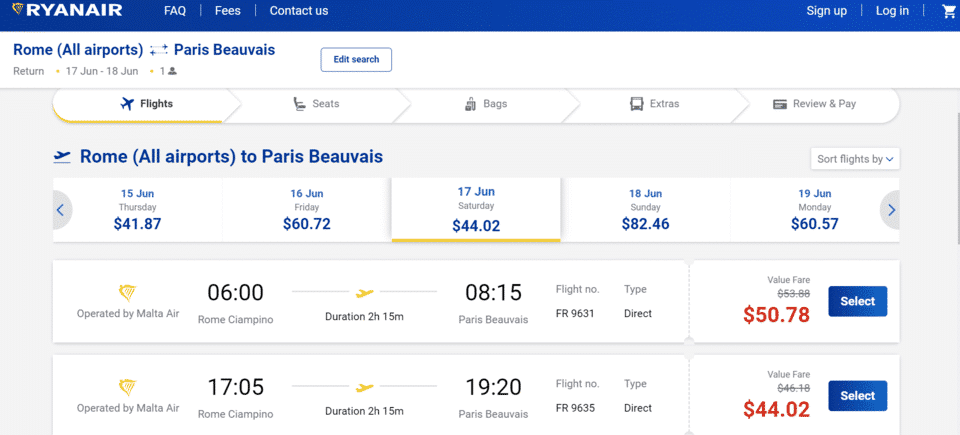
One of the most impactful technological advancements in air travel is data-driven pricing. Airlines use sophisticated algorithms to analyze historical booking data and predict demand, allowing them to adjust fares accordingly. This can lead to fluctuating prices for the Paris to Rome route as airlines aim to maximize revenue.
The Environmental Impact of Air Travel
While air travel offers many benefits, it also has a notable environmental impact. The Paris to Rome route, like all international flights, contributes to carbon emissions and air pollution. This has increased pressure on airlines to adopt more sustainable practices and develop alternative fuels.
Carbon Offsetting Programs
Many airlines now offer carbon offsetting programs, letting travelers compensate for their carbon emissions by supporting environmental projects. While these programs are not a perfect solution, they are a step toward mitigating air travel’s environmental impact.
Conclusion
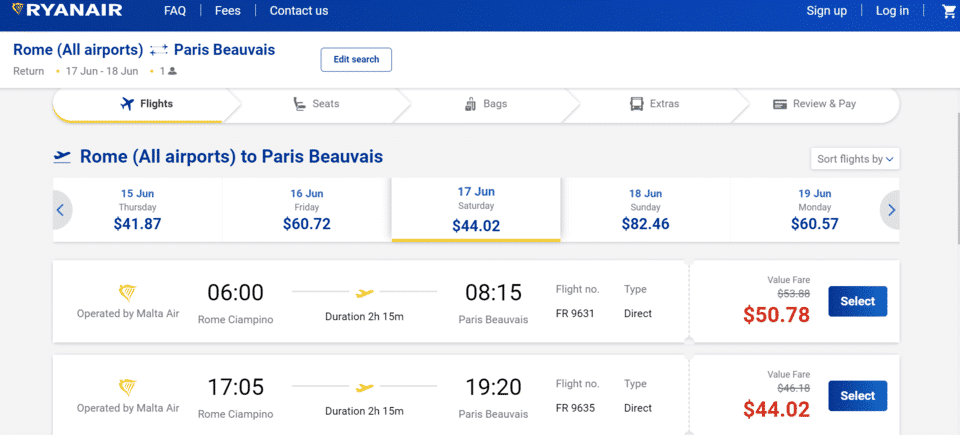
Flights between Paris and Rome are a key route in Europe’s travel industry, linking two of the continent’s most beloved cities. Understanding factors influencing fares—such as seasonality, airline competition, and booking timing—helps travelers make informed decisions. While technology has made air travel more convenient, it is crucial to consider its environmental impact and support sustainable practices. As the industry evolves, balancing air travel’s benefits with environmental and social responsibilities will remain essential.
Recommendations and Future Research
To enhance the Paris to Rome route and similar international routes, the following recommendations are proposed:
1. Airlines should continue investing in fuel-efficient aircraft and alternative fuels to reduce their carbon footprint.
2. Governments and airlines should collaborate to develop more efficient air traffic management systems, cutting fuel consumption and emissions.
3. Further research is needed to explore air travel’s long-term environmental impact and the effectiveness of carbon offsetting programs.
By acting on these recommendations and conducting ongoing research, the air travel industry can continue growing while minimizing its environmental impact and ensuring the sustainability of the Paris to Rome route and other international routes.


