

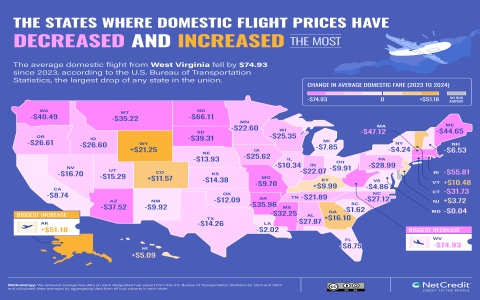
The Impact of Low-Cost Airfares on the Travel Industry
Introduction
The emergence of low-cost airfares has transformed the travel industry, making air travel accessible to a wider segment of the population. This shift has not only increased traveler numbers but also had profound effects on the economy, environment, and social dynamics. This article explores the various aspects of low-cost airfares, their impact on the travel sector, and the broader implications they carry.
The Rise of Budget Airlines
The Emergence of Low-Cost Carriers
The concept of budget airlines (or low-cost carriers, LCCs) gained momentum in the 1990s. These airlines operate on a lean business model focused on cost efficiency to offer tickets at much lower prices than traditional carriers. The success of leading low-cost carriers in Europe and a major U.S. carrier has been key to popularizing low-cost airfares.
Strategies for Cost Reduction
Budget airlines use several strategies to keep costs low. These include:

– Direct Flights: Operating direct routes reduces layover needs, saving time and fuel.
– No-Frills Service: Offering basic services and charging extra for amenities like meals or checked luggage.
– Point-to-Point Routes: Focusing on short-haul routes that are cheaper to operate.
– Efficient Aircraft Use: Utilizing smaller, more fuel-efficient planes for short-haul flights.
The Impact on Travelers
Increased Accessibility
One of the most significant impacts is greater air travel accessibility. According to a study by a leading aviation organization, the growth of low-cost carriers has driven significant increases in global air travel demand. This has made travel more affordable for individuals and families, encouraging more people to explore new destinations.

Shift in Travel Patterns
The availability of low-cost airfares has also shifted travel patterns. People are now more likely to take short-haul trips, as flying costs have become comparable to other transport options. This has rippled through the tourism industry, with nearby destinations seeing more visitors.
Economic Implications
Boost to the Travel Industry
The growth of budget airlines has been a major driver of economic growth in the travel sector. According to a report by a global tourism council, the travel and tourism industry contributes substantially to the global economy. Low-cost airfares have played a key role in this growth.
Job Creation
The expansion of budget airlines has also created jobs. The aviation industry employs millions worldwide, and LCC growth has contributed to this employment figure. According to a leading aviation organization, the sector supports millions of jobs globally.
Environmental Concerns
Increased Carbon Footprint
While low-cost airfares have made travel more accessible, they have also increased the carbon footprint. The aviation industry contributes a notable share of global carbon emissions, and as traveler numbers rise, so does the environmental impact.

Efforts to Mitigate Emissions
In response to environmental concerns, budget airlines and the broader aviation industry are taking steps to reduce emissions. These include:
– Fuel Efficiency: Investing in more fuel-efficient aircraft.
– Carbon Offsetting: Partnering with carbon offset programs to compensate for emissions.
– Sustainable Practices: Implementing sustainable operations and maintenance.
Social Dynamics
Changing Travel Behavior
Low-cost airfares have changed travel behavior. People are now more likely to take spontaneous trips or visit destinations previously out of reach due to cost. This has created a more dynamic and diverse travel landscape.

Impact on Local Communities
The influx of tourists from low-cost airfares has mixed effects on local communities. While it brings economic benefits, it also raises concerns about over-tourism and its impact on local culture and infrastructure.
Conclusion
The rise of low-cost airfares has transformed the travel industry. It has increased accessibility, driven economic growth, and changed travel behavior. However, it has also raised environmental and social concerns. As the industry evolves, finding a balance between affordability, sustainability, and local community well-being is crucial.
Recommendations and Future Research
Recommendations
– Invest in Sustainable Aviation: Governments and airlines should invest in sustainable aviation technologies to reduce environmental impact.
– Promote Responsible Tourism: Encourage tourists to engage in responsible travel practices that benefit local communities.
– Regulate the Industry: Implement regulations to prevent over-tourism and protect local environments.
Future Research
– Long-Term Environmental Impact: Conduct long-term studies to assess the long-term environmental effects of low-cost airfares.
– Social Impact of Over-Tourism: Investigate the social impact of over-tourism on local communities and develop mitigation strategies.
– Innovation in Air Travel: Explore innovative solutions to make air travel more sustainable and affordable in the future.
In conclusion, low-cost airfares have reshaped the travel industry, offering both opportunities and challenges. As the industry continues to evolve, addressing these challenges and capitalizing on opportunities is essential to create a sustainable and inclusive travel landscape.


