

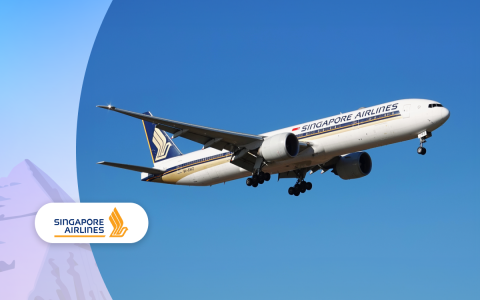
The Rise and Resilience of Singapore Airlines: A Global Aviation Leader
Introduction
Singapore Airlines, often hailed as one of the world’s leading airlines, has made a significant impact on the aviation industry since its inception. With a reputation for exceptional service, innovative technology, and a global reach, it has become a benchmark for excellence in the airline industry. This article aims to explore the factors that have contributed to its success, its challenges, and its future prospects.
Historical Background and Evolution
Founding and Early Years
The airline traces its origins to the mid-20th century, with early operations focused on regional routes before expanding internationally. Over time, it rebranded to reflect its broader global footprint.
Expansion and Growth
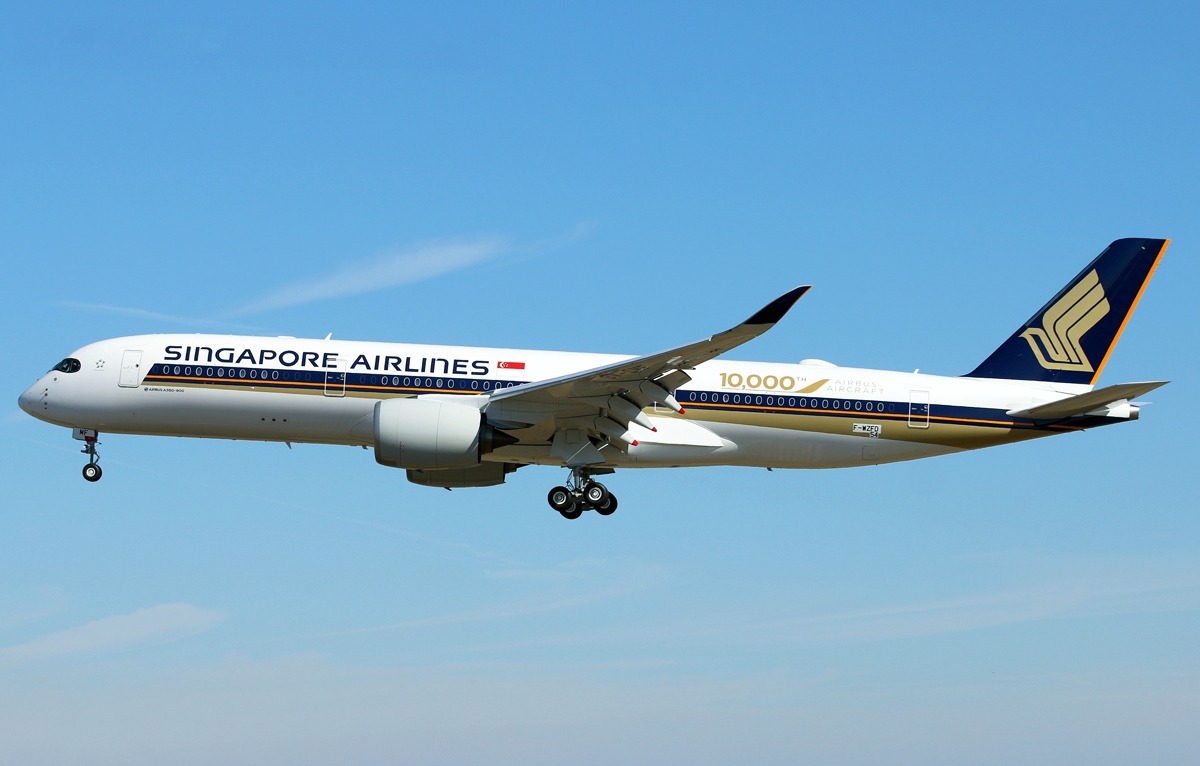
Over the years, the airline has expanded its fleet and route network significantly. It has prioritized adopting cutting-edge aircraft technology to stay competitive, enabling it to offer long-haul flights with enhanced comfort and efficiency.
Service Excellence
The Singapore Airlines Experience
The airline is renowned for its exceptional service, a key driver of its success. Its cabin crew are known for their professionalism, friendliness, and attention to detail. It has also invested heavily in inflight entertainment systems, offering passengers a diverse selection of content.
Product Innovation
The airline has been a leader in product innovation. It has launched loyalty programs to build a loyal customer base, and introduced technologies to enhance passenger comfort, such as noise-reduction features for a quieter flight.
Technology and Sustainability
Embracing Technology
The airline has embraced technology to enhance the passenger experience. It has invested in digital platforms for seamless check-in, seat selection, and booking management. It has also explored biometric solutions to simplify the boarding process.
Sustainability Initiatives
Recognizing the importance of sustainability, the airline has implemented various initiatives to reduce its environmental impact. It has invested in more fuel-efficient aircraft and has been working on alternative fuel sources. Additionally, it has implemented recycling programs and energy-saving measures at its facilities.
Challenges and Competitors
Market Competition
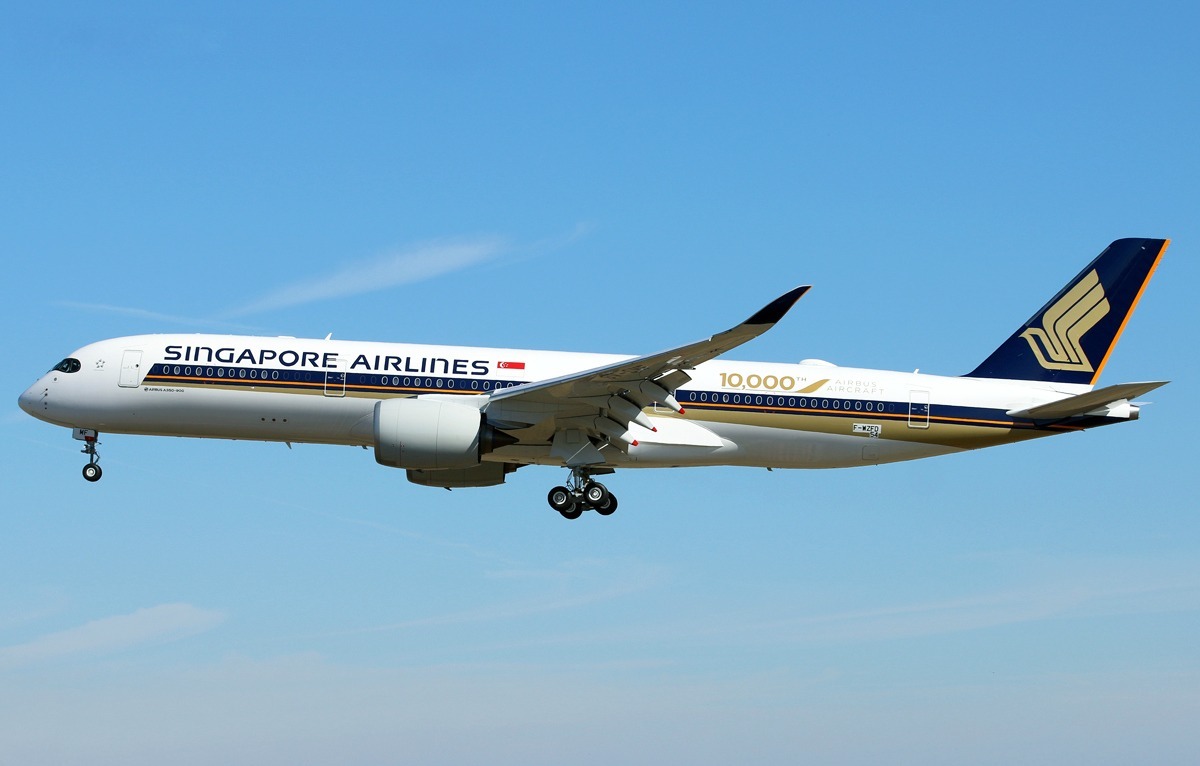
Despite its success, the airline faces strong competition from other major global carriers that offer similar routes and services. This makes continuous innovation and improvement essential to maintain its position.
COVID-19 Pandemic
The COVID-19 pandemic has presented unprecedented challenges to the aviation industry, including the airline. The pandemic has led to a significant drop in passenger demand, forcing airlines to reduce their operations and implement cost-cutting measures. However, the airline has shown resilience, adapting to the changing landscape and implementing measures to ensure its long-term survival.
Future Prospects
Expansion Plans
Looking ahead, the airline has ambitious expansion plans. It aims to grow its route network and increase its fleet size to meet the growing demand for air travel. It is also exploring new markets and partnerships to enhance its global reach.
Focus on Innovation
To maintain its competitive edge, the airline will continue to focus on innovation. It is investing in emerging technologies to improve operations and enhance the passenger experience.
Conclusion
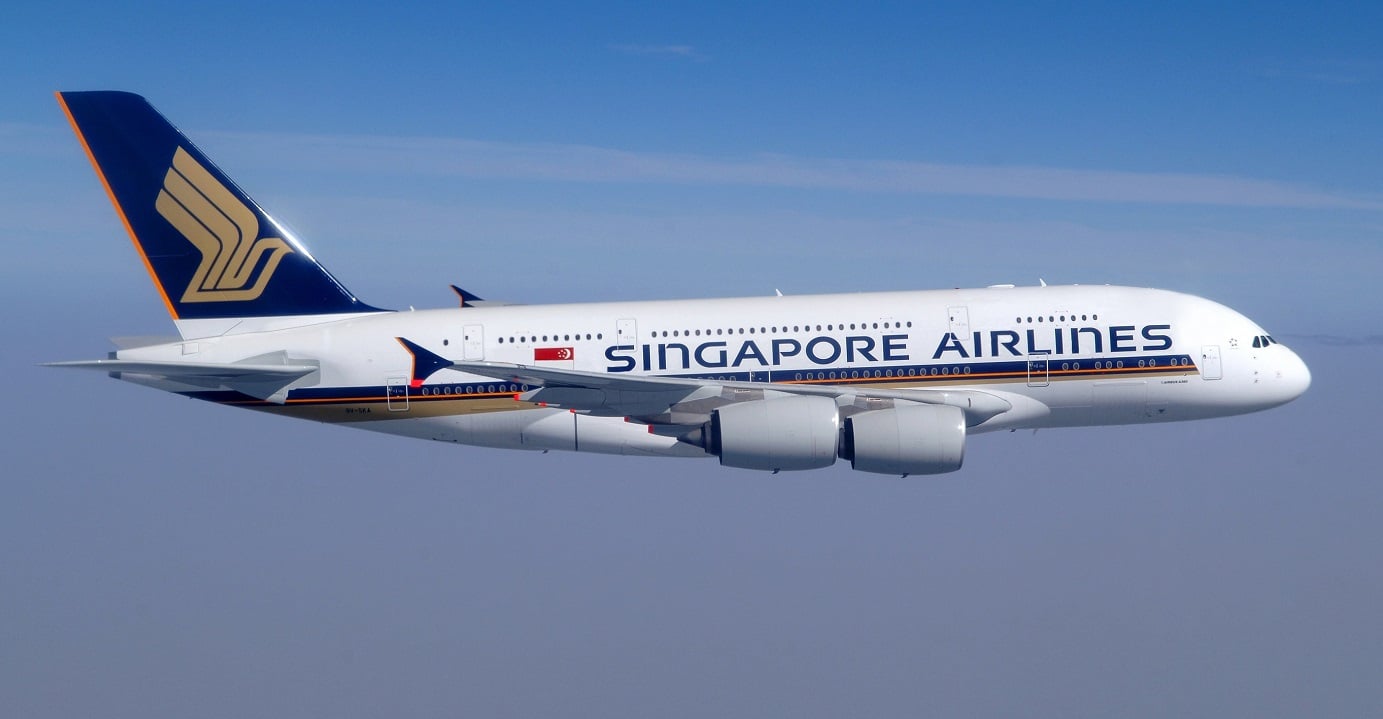
The airline has become a global aviation leader through its commitment to service excellence, technological innovation, and sustainability. Despite facing challenges, such as market competition and the COVID-19 pandemic, it has shown resilience and adaptability. As the aviation industry continues to evolve, it is well-positioned to maintain its position as a leader in the industry. Its focus on innovation and expansion will undoubtedly contribute to its continued success in the years to come.
Recommendations and Future Research
To further enhance its position in the global aviation industry, the airline should consider the following recommendations:
1. Continue investing in technology to improve operational efficiency and passenger experience.
2. Strengthen its sustainability initiatives to reduce its environmental impact.
3. Foster a culture of innovation and continuous improvement among its employees.
Future research could explore the following areas:
1. The impact of new technologies on the aviation industry and their potential to transform the passenger experience.
2. The role of sustainability in the long-term success of airlines.
3. The effectiveness of various strategies used by airlines to cope with market competition and economic downturns.


