

The Dynamics of Las Vegas Hotel Prices: A Comprehensive Analysis
Introduction
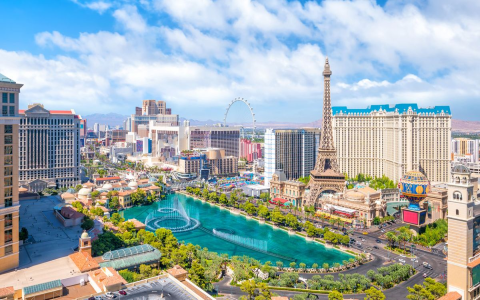
Las Vegas, often called the Entertainment Capital of the World, draws millions of visitors each year. At the core of this vibrant city are its hotels, ranging from lavish resorts to budget-friendly stays. Hotel prices here can fluctuate widely, shaped by multiple factors. This article explores the dynamics of Las Vegas hotel pricing, examining key influences and their implications for both travelers and hotel operators.
Factors Influencing Las Vegas Hotel Prices
1. Seasonality and Demand
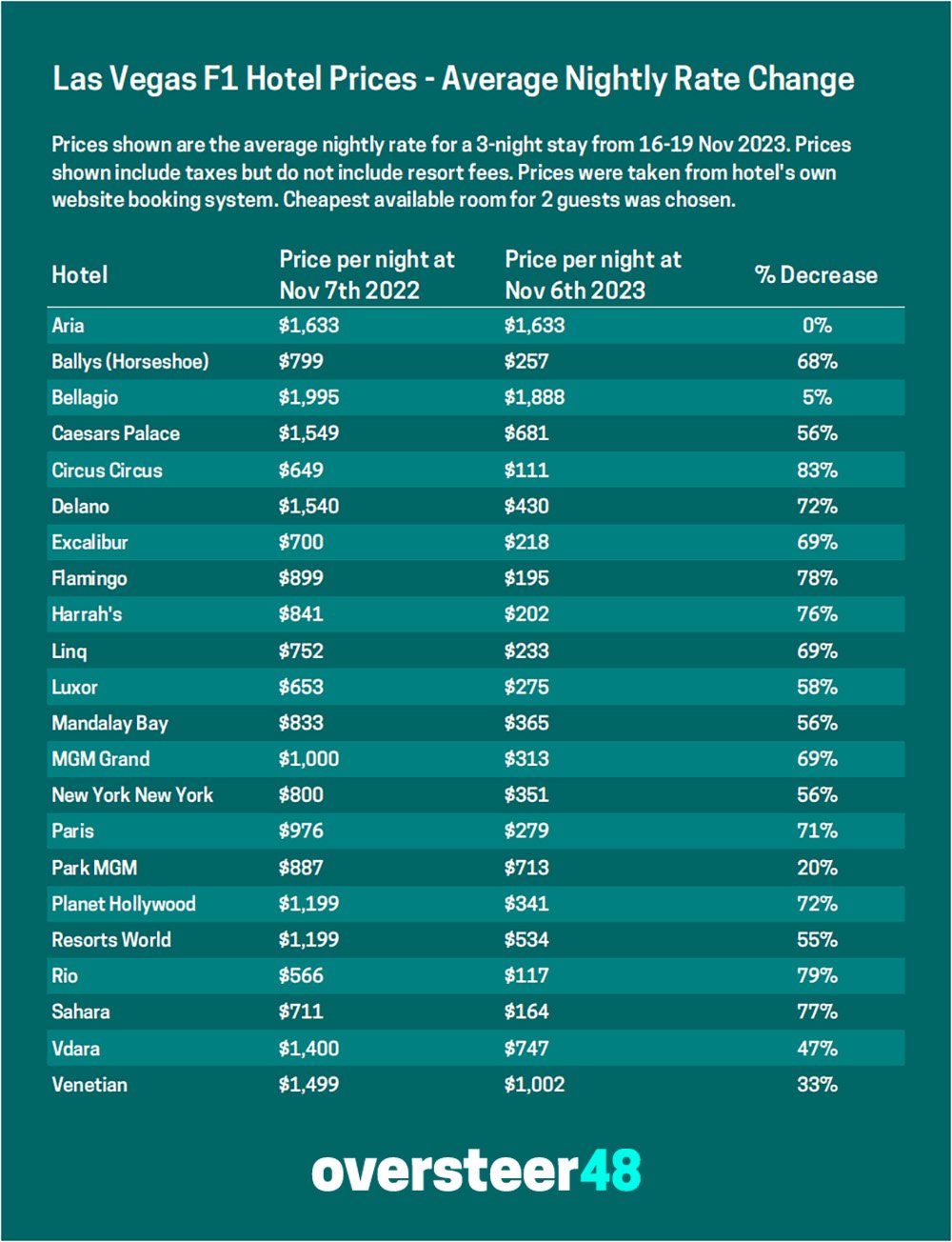
Seasonality and demand are top factors affecting hotel prices in Las Vegas. The city has two peak seasons: winter (when the weather is milder) and summer (when visitors look to escape the heat). During these times, prices rise due to higher demand. Conversely, shoulder seasons like spring and fall see lower rates as demand eases.
2. Hotel Location
A hotel’s location in Las Vegas is critical to its pricing. Properties on the Las Vegas Strip— the city’s iconic entertainment hub—command higher rates because of their proximity to major attractions and casinos. Off-Strip hotels, while more affordable, may lack the same range of amenities and entertainment options.
3. Hotel Amenities and Services
Amenities and services also impact pricing. Luxury hotels with extensive facilities (like spas, pools, and fine dining) typically charge more than budget hotels with limited offerings. Hotels that provide unique experiences—such as rooftop pools or themed rooms—may also set premium rates.
4. Market Competition
Competition in the Las Vegas hotel market also affects prices. With a significant number of hotel rooms available, competition is strong. Hotels may lower rates to attract guests, especially in slower periods. During peak seasons, however, they might raise prices to boost revenue.
The Impact of Las Vegas Hotel Prices on Tourists
1. Budget Constraints
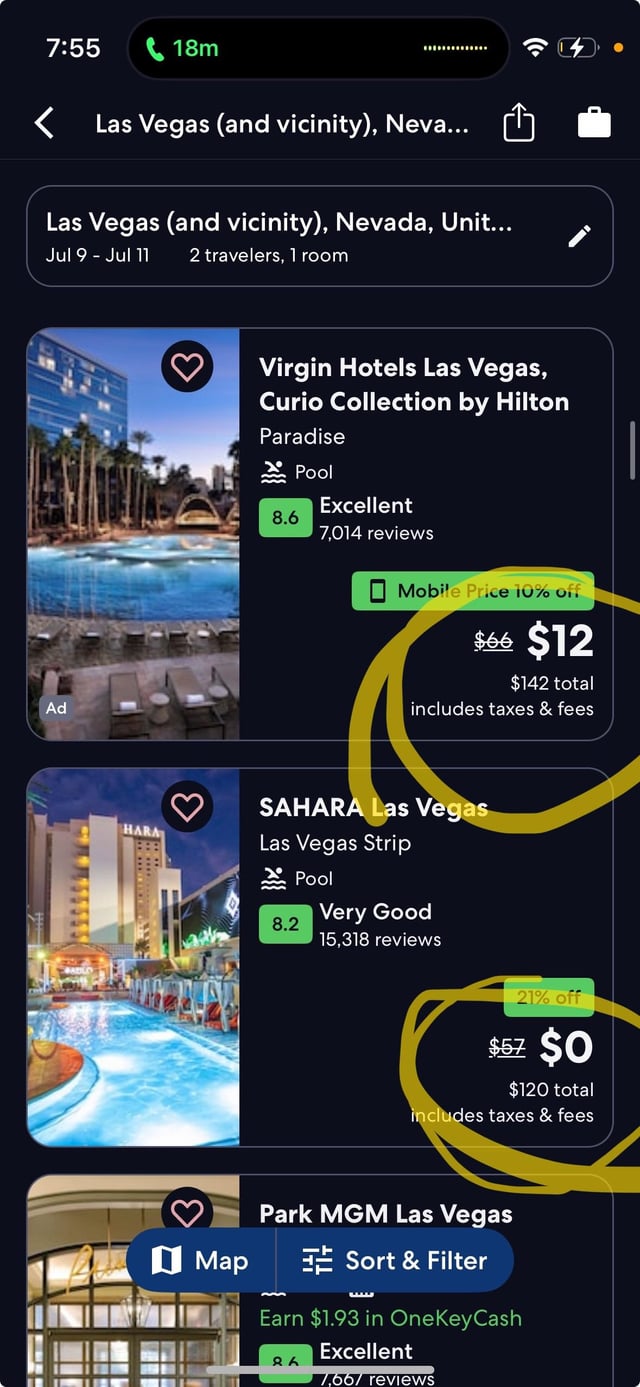
Hotel prices in Las Vegas can be a major concern for travelers, especially those on tight budgets. High rates may limit how long visitors stay or the number of attractions they can enjoy. Still, there are many affordable options, including off-Strip hotels and budget-friendly chains.
2. Value for Money
Travelers often look for good value when choosing a hotel in Las Vegas. While high-end properties offer luxury amenities, they don’t always provide the best value. Visitors should weigh the overall experience—including location, amenities, and guest reviews—to find the best value for their money.
The Impact of Las Vegas Hotel Prices on Hotel Operators
1. Revenue Optimization
Hotel operators must carefully manage pricing strategies to maximize revenue. This means balancing the need to fill rooms with the goal of making a profit. During peak seasons, operators may increase rates to take advantage of high demand; in slower times, they might offer discounts to fill vacancies.
2. Competition and Market Trends
Operators need to stay updated on market trends and competition to stay competitive. This includes tracking other hotels’ pricing strategies and adjusting their own accordingly. They may also invest in unique amenities or experiences to stand out and attract guests.
Conclusion
Las Vegas hotel prices are shaped by several factors: seasonality, location, amenities, and market competition. These factors have important implications for both travelers and hotel operators. For travelers, understanding these dynamics helps find better value; for operators, managing these factors is key to optimizing revenue and staying competitive.
Future Research Directions
Further research could explore the following areas:
– The long-term effect of hotel pricing strategies on customer loyalty and repeat visits.
– How technology and data analytics can improve hotel pricing optimization.
– The impact of economic downturns on Las Vegas hotel prices and the broader tourism industry.
By exploring these areas, researchers can gain a deeper understanding of the complex dynamics of Las Vegas hotel prices and their effects on the city’s tourism sector.


