


The Economic Impact of Airfare Between Washington D.C. and London
Introduction
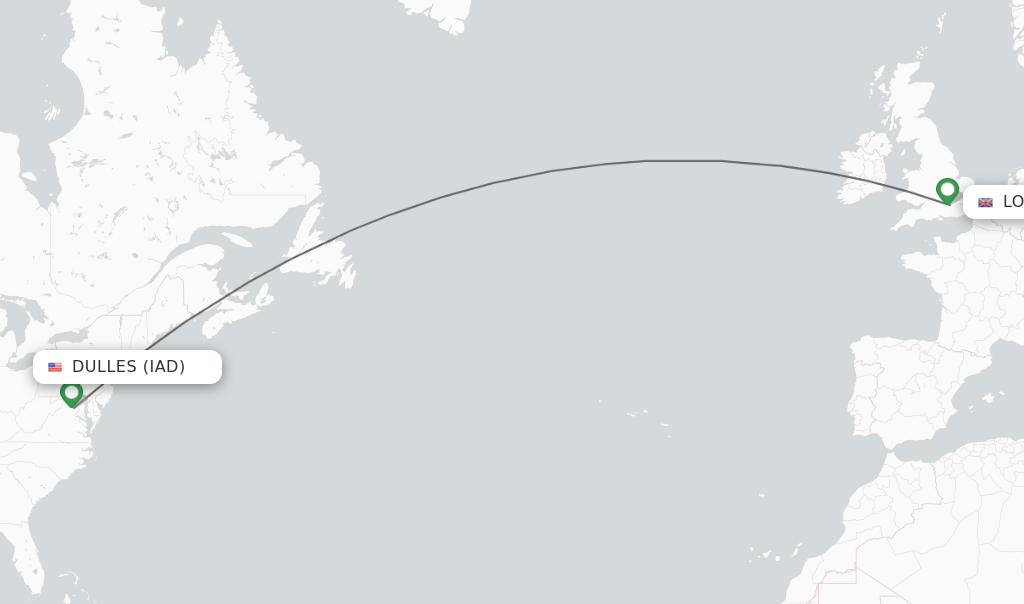
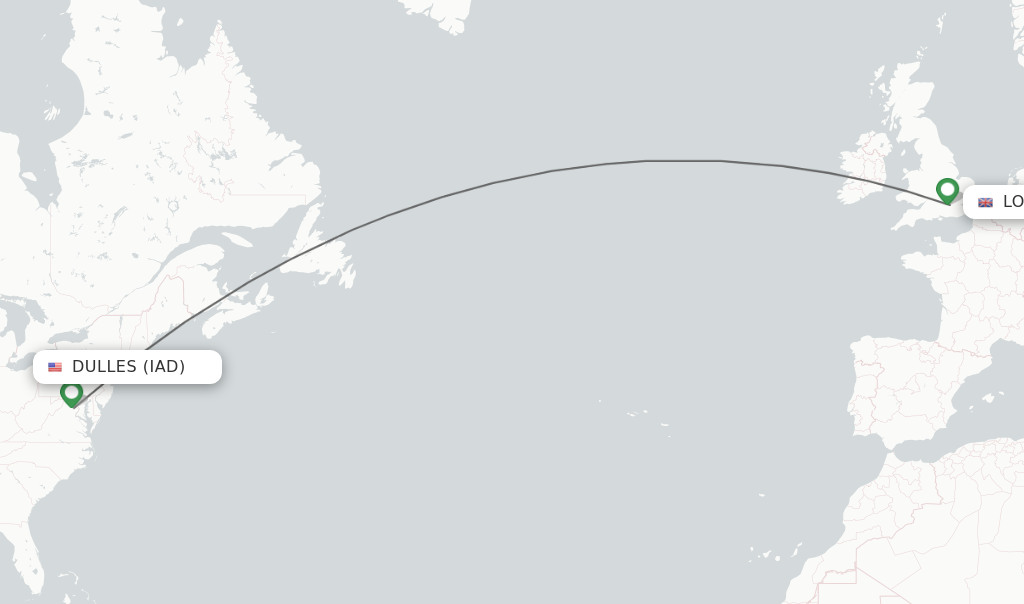
The airfare between Washington D.C. and London is a critical component of the global aviation industry. This route connects two of the world’s most influential capitals, facilitating business, tourism, and cultural exchange. This article aims to explore the economic impact of this route, examining its significance in the context of international travel and trade. By analyzing various aspects such as passenger volumes, economic contributions, and the role of airlines, this article will provide a comprehensive overview of the importance of this route.
Passenger Volumes and Growth Trends
The Washington D.C.-London route has seen significant growth over the years, driven by increasing demand for international travel. In recent decades, passenger volumes between the two cities have grown notably, attributed to factors like expanded airline services, rising business travel, and growing leisure travel popularity.
Impact on Business Travel
This route plays a crucial role in facilitating business travel between the U.S. and the UK. Many multinational corporations have significant operations in both cities, making this route essential for their employees. Easy travel between the two capitals has led to increased collaboration, investment, and trade between the two nations.
Businesses operating in both countries spend a considerable amount annually on air travel, with this route being a key component of that expenditure, highlighting its importance in the business community.
Economic Contributions
The Washington D.C.-London route has a substantial economic impact on both the U.S. and the UK. Direct contributions include airline revenue, employment in the aviation industry, and passenger spending during trips.
Economic activity generated by this route benefits the U.S. economy, including airline revenue, passenger spending, and employment in related industries like hotels, restaurants, and transportation.
Similarly, the UK benefits through increased tourism and business investment. International tourism contributes significantly to the UK economy annually, with this route being a key factor in facilitating travel for tourists and businesspeople.
Airline Competition and Innovation
This route is served by several major airlines, fostering competition that drives innovation and improved service quality for passengers. Airlines have introduced new technologies like online check-in and in-flight Wi-Fi to enhance the travel experience.
Competition has also made travel between the two cities more accessible by helping keep fares reasonable. Over recent years, average fares have become more affordable, a trend likely to continue as airlines compete for market share.
Environmental Concerns
While the route brings significant economic benefits, it also raises environmental concerns. The aviation industry contributes to greenhouse gas emissions, and this route is no exception. However, airlines are increasingly investing in sustainable practices like biofuels and more efficient aircraft to reduce their environmental impact.
Conclusion
The Washington D.C.-London route is a critical component of the global aviation industry, playing a significant role in international travel and trade. Its economic impact is substantial, with direct contributions to both the U.S. and UK economies. While environmental concerns remain, the industry is taking steps to mitigate its impact. As demand for international travel grows, this route will likely remain vital for years to come.
Recommendations and Future Research
To further enhance the economic impact of this route, airlines and governments should consider the following:
1. Invest in sustainable aviation technologies to reduce the route’s environmental impact.
2. Collaborate with local businesses to create more employment opportunities and stimulate economic growth.
3. Continue to improve service quality and innovation to attract more passengers.
Future research should focus on:
1. The long-term economic impact of the route on the U.S. and UK economies.
2. The role of technology in improving the route’s efficiency and sustainability.
3. The impact of environmental regulations on the aviation industry and this route.


