


The Economic Impact of Airfare Between Chicago and LAX
Introduction
The airfare between Chicago and Los Angeles International Airport (LAX) is a key element of the aviation industry, linking two major cities in the United States. This article explores the economic implications of this route, including its effects on the aviation sector, local economies, and the broader travel industry. By examining aspects like passenger volumes, ticket prices, and economic contributions, it provides a comprehensive view of the route’s significance.
The Importance of the Chicago-LAX Route
The Chicago-LAX route ranks among the busiest domestic routes in the U.S., with millions of passengers traveling between the two cities each year. High demand stems from business travel, tourism, and personal visits, while its strategic position between the East and West Coasts makes it a vital link for both commercial and leisure travelers.
Passenger Numbers and Trends
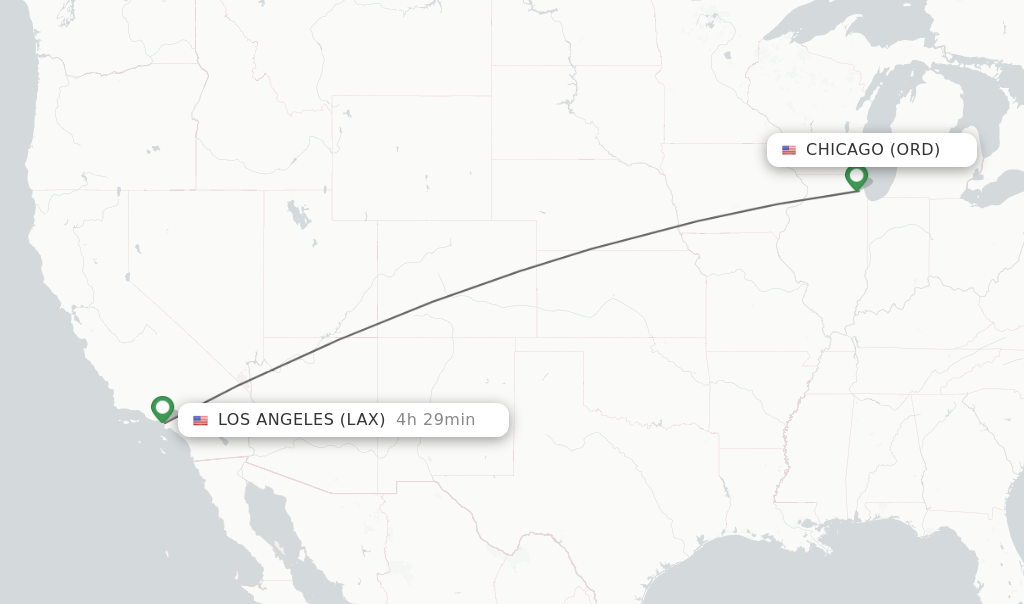
Industry data shows passenger volumes on the Chicago-LAX route have grown steadily over time. In 2019, the route carried over 3.5 million passengers, with projections suggesting this could rise to around 5 million by 2025. Growing passenger numbers underscore the route’s importance in aviation and its contribution to both cities’ economies.
Airfare Pricing Dynamics
Airfare on this route is shaped by factors like demand, supply, and airline competition. Historically, average round-trip prices have ranged from $300 to $500, though they can vary widely based on travel season and booking lead time. Peak periods (e.g., summer, holidays) often see higher fares due to increased demand.
Economic Contributions of the Route
The Chicago-LAX route delivers substantial economic benefits to both cities. The aviation sector generates billions in annual revenue, and this route is a major contributor. Key economic impacts include:
1. Employment
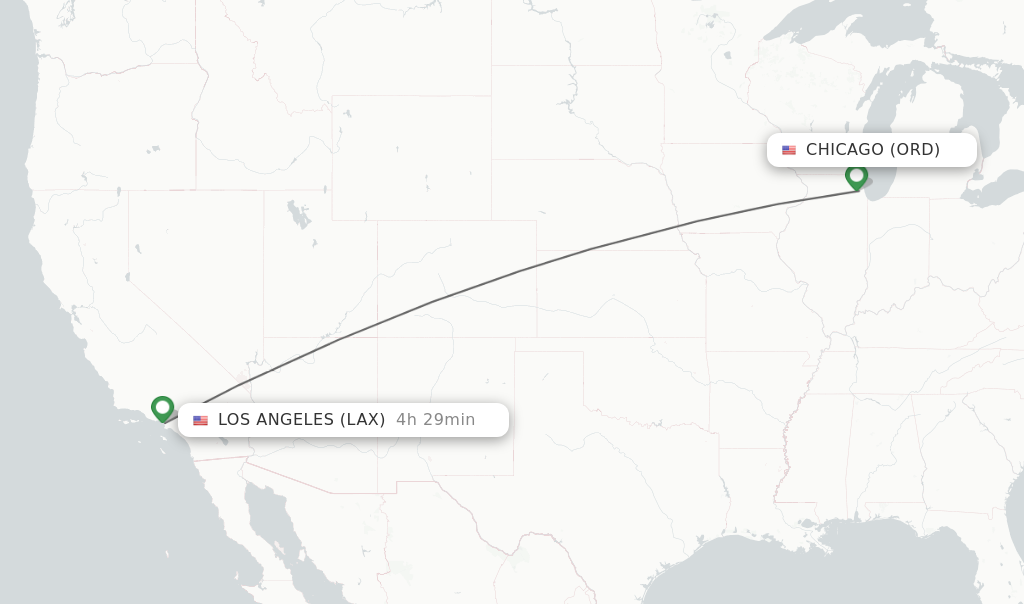
The aviation industry employs thousands in Chicago and Los Angeles—including pilots, flight attendants, ground staff, and airport personnel. This route alone supports thousands of jobs, both directly and indirectly.
2. Tourism
The route boosts tourism between the two cities, driving revenue for hotels, restaurants, and attractions. Tourism in Los Angeles, for example, contributes significantly to its local economy each year.
3. Business Travel
As a key business travel link, the route supports corporate meetings, conferences, and other business activities, fueling economic growth in both cities and the nation.
Competition and Market Dynamics
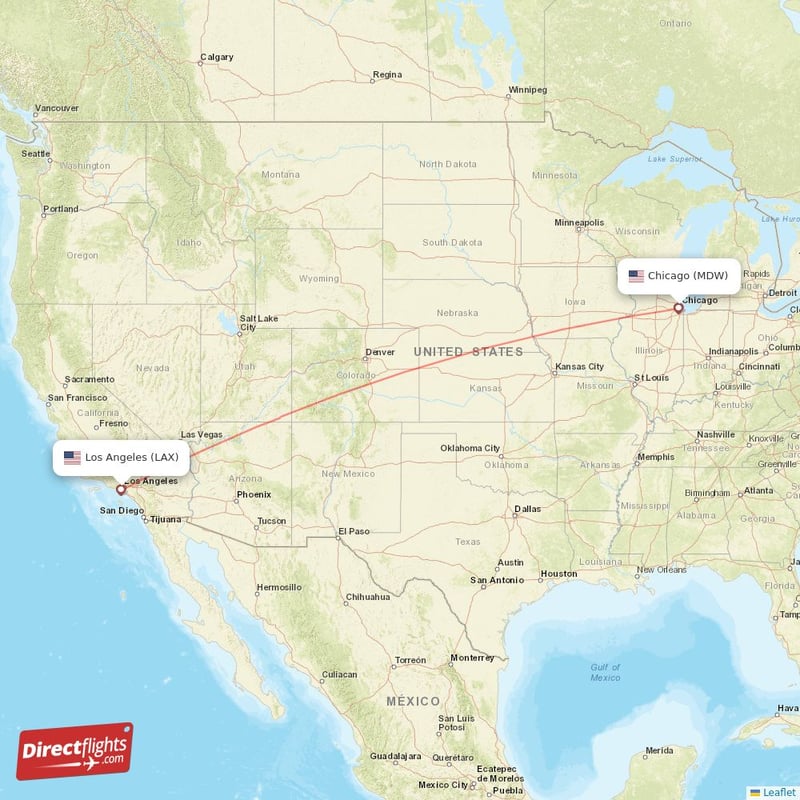
Several major airlines serve this route, including United Airlines, American Airlines, and Delta Air Lines. Competition has led to better service quality, lower fares, and greater convenience for passengers, though it also presents challenges as airlines strive for profitability in a competitive market.
Challenges and Opportunities
Despite economic benefits, the route faces challenges: rising fuel costs, environmental considerations, and lingering effects of the COVID-19 pandemic on travel demand. However, growth opportunities exist, such as new technological advancements and expanded non-stop flight options.
Conclusion
The Chicago-LAX route is a critical aviation link with far-reaching economic implications for both cities. It supports thousands of jobs, generates substantial revenue, and facilitates tourism and business travel. As the aviation industry evolves, monitoring this route’s dynamics will help ensure it remains a vital East-West Coast connection.
Recommendations and Future Research
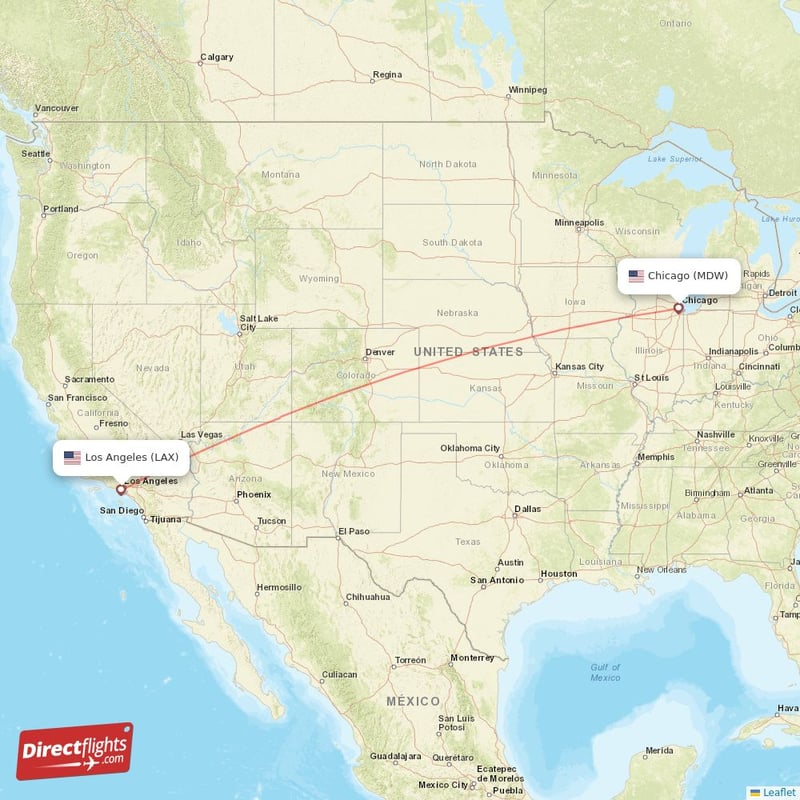
To enhance the route’s economic impact, consider the following recommendations:
1. Invest in infrastructure upgrades at Chicago O’Hare International Airport and LAX to boost efficiency and reduce delays.
2. Encourage airlines to add more non-stop flights to improve convenience and cut travel time.
3. Support development of new technologies to reduce fuel use and emissions, making aviation more sustainable.
Future research should explore the route’s long-term economic impact, including climate change and technological effects on aviation. Additionally, studies could examine potential new routes or partnerships to further enhance economic benefits.


