

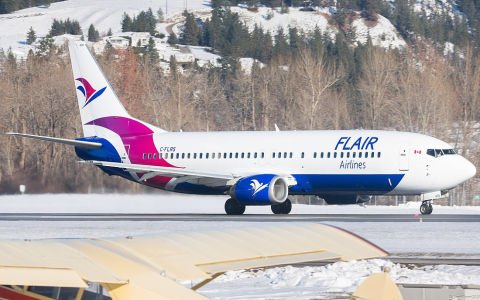
The Rise and Impact of Flair Airlines: A Comprehensive Analysis
Introduction
Flair Airlines, a relatively new entrant in the Canadian aviation market, has made significant waves since its inception in 2015. This low-cost carrier has disrupted the traditional airline industry with its innovative business model and aggressive expansion strategy. This article aims to provide a comprehensive analysis of Flair Airlines, examining its impact on the aviation industry, its business model, and the challenges it faces.
Flair Airlines: A Brief History
Flair Airlines was founded by a team of aviation industry veterans. The airline started operations with a single route between Edmonton and Calgary in 2015. Since then, Flair Airlines has expanded its network to include destinations across Canada and the United States. The airline’s rapid growth can be attributed to its low-cost business model, which focuses on cost efficiency and customer satisfaction.
The Business Model of Flair Airlines

Flair Airlines operates on a low-cost business model, which is characterized by the following key elements:
1. Low Fare Strategy
Flair Airlines offers some of the lowest fares in the Canadian aviation market. The airline achieves this by keeping its operating costs low and passing the savings on to customers. This strategy has been successful in attracting budget-conscious travelers who are looking for affordable airfare options.
2. Point-to-Point Service
Flair Airlines operates a point-to-point network, which means that it connects cities directly without stopping at major hubs. This approach reduces the time spent in the air and at the airport, making it more convenient for customers.
3. No-frills Service
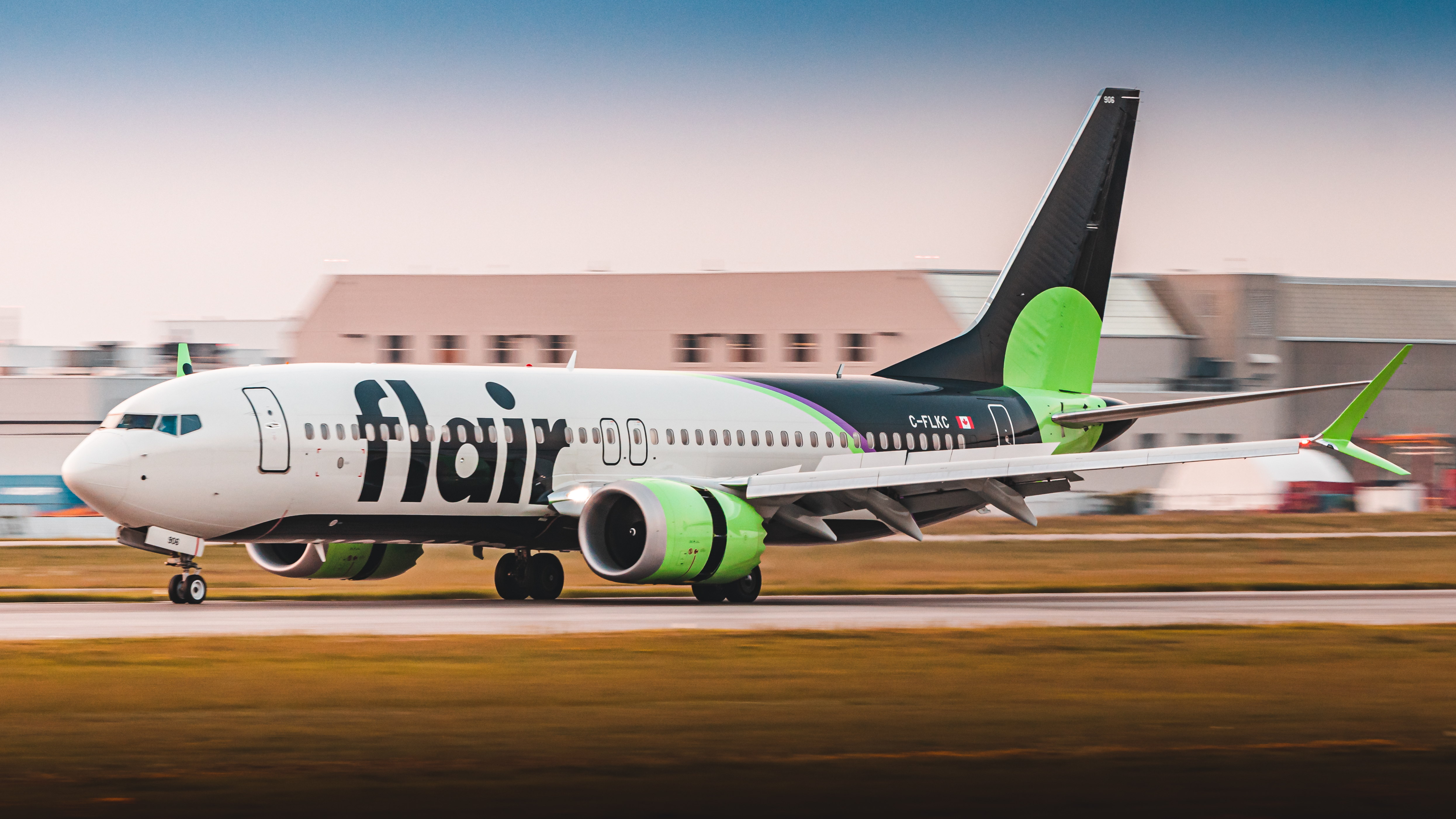
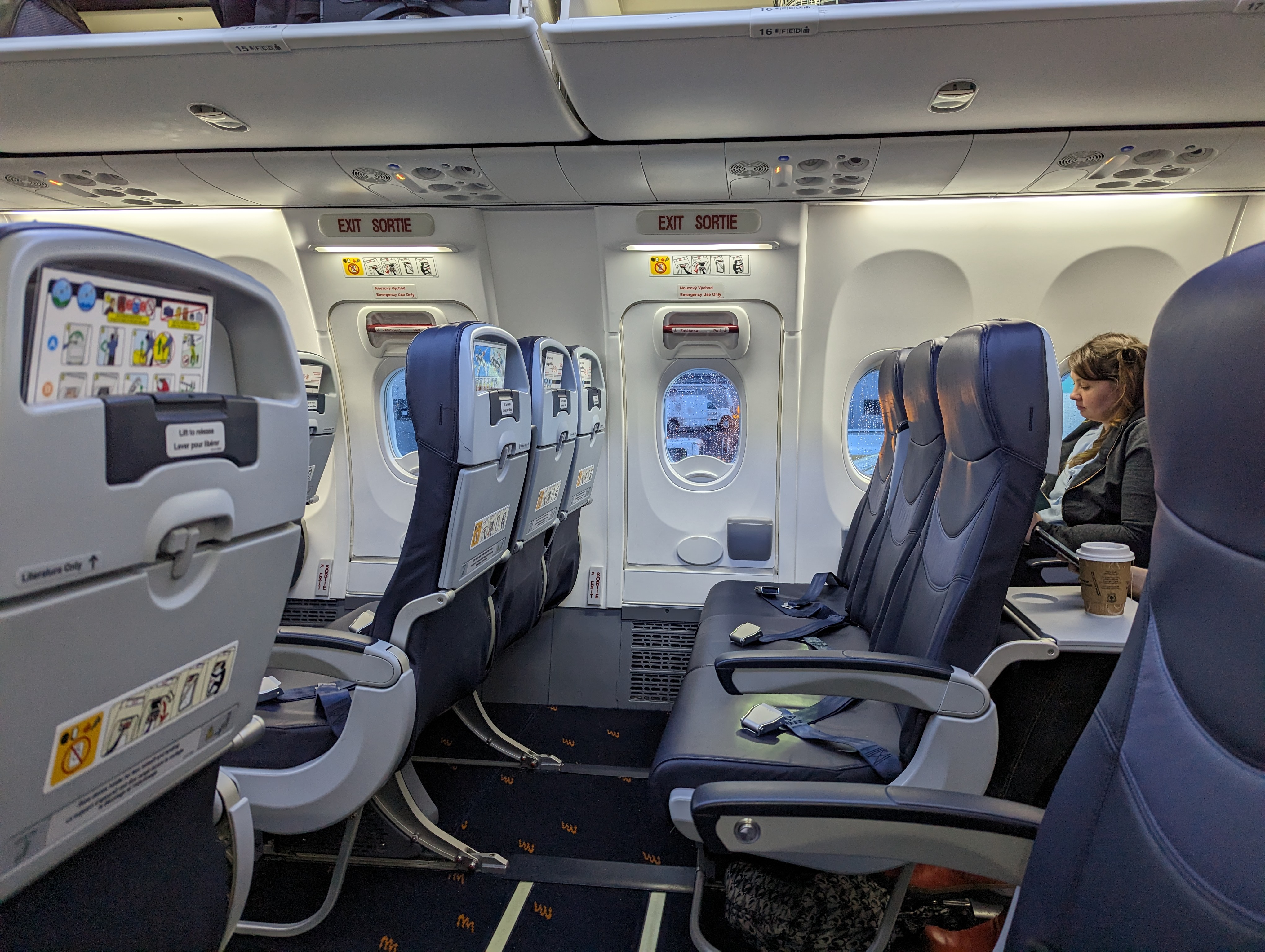
Flair Airlines does not offer amenities such as free meals, in-flight entertainment, or assigned seating. Instead, the airline focuses on providing the essential services needed for a comfortable flight, such as comfortable seating and reliable in-flight Wi-Fi.
4. Cost Efficiency
Flair Airlines has implemented various cost-saving measures, including the use of modern, fuel-efficient aircraft, streamlined operations, and a focus on direct flights. These measures have allowed the airline to maintain low operating costs, which in turn has enabled it to offer competitive fares.
Impact on the Aviation Industry
Flair Airlines has had a significant impact on the aviation industry, both in Canada and internationally. The following are some of the key impacts:
1. Increased Competition
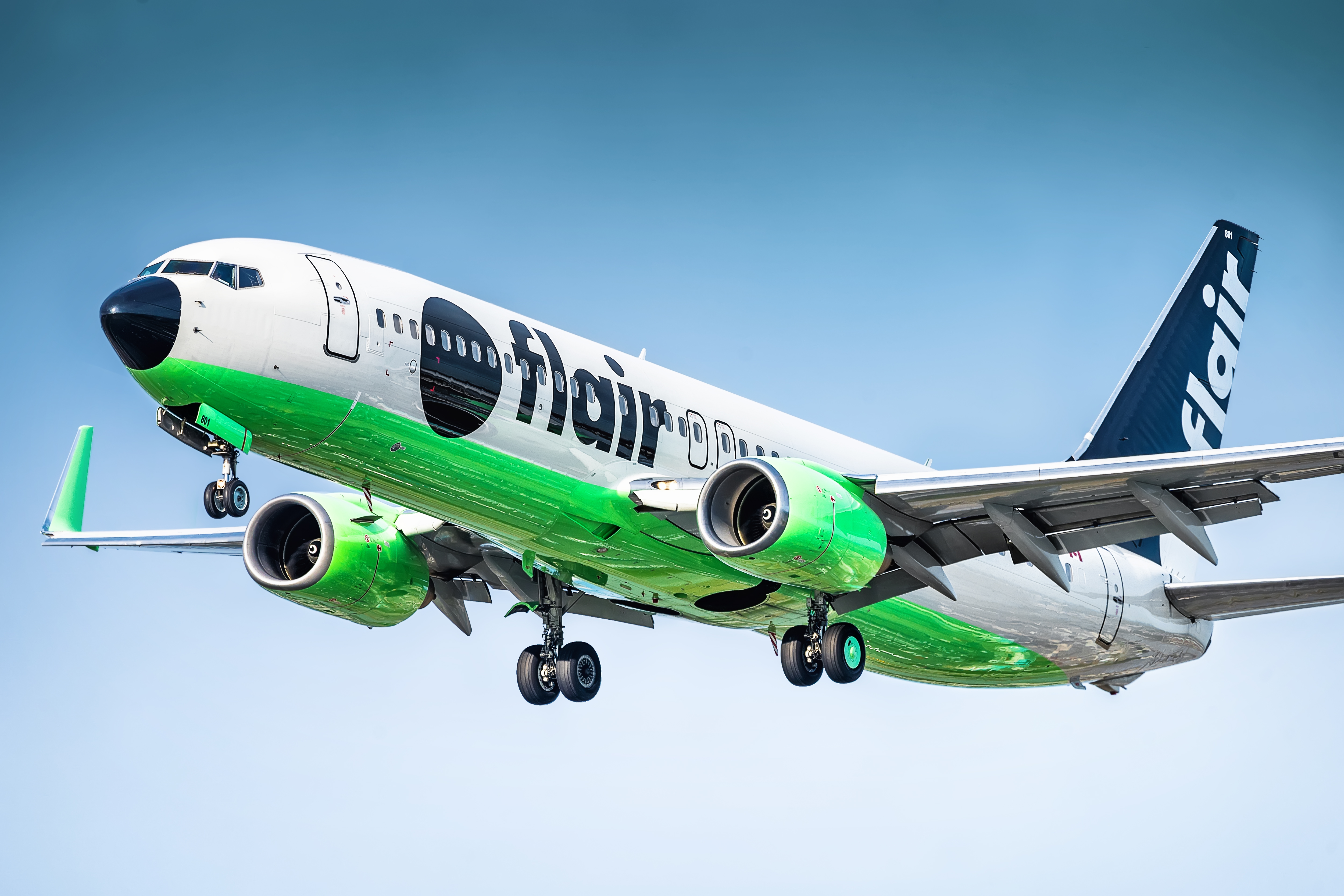
Flair Airlines has introduced a new level of competition in the Canadian aviation market. This has forced other airlines to lower their fares and improve their service quality to remain competitive.
2. Market Expansion
Flair Airlines has expanded the market for low-cost air travel in Canada. This has made air travel more accessible to a broader segment of the population, including budget-conscious travelers and those living in smaller cities.
3. Job Creation
The growth of Flair Airlines has created numerous job opportunities in the aviation industry. The airline has employed thousands of people across Canada, from pilots and flight attendants to ground staff and administrative personnel.
Challenges Faced by Flair Airlines
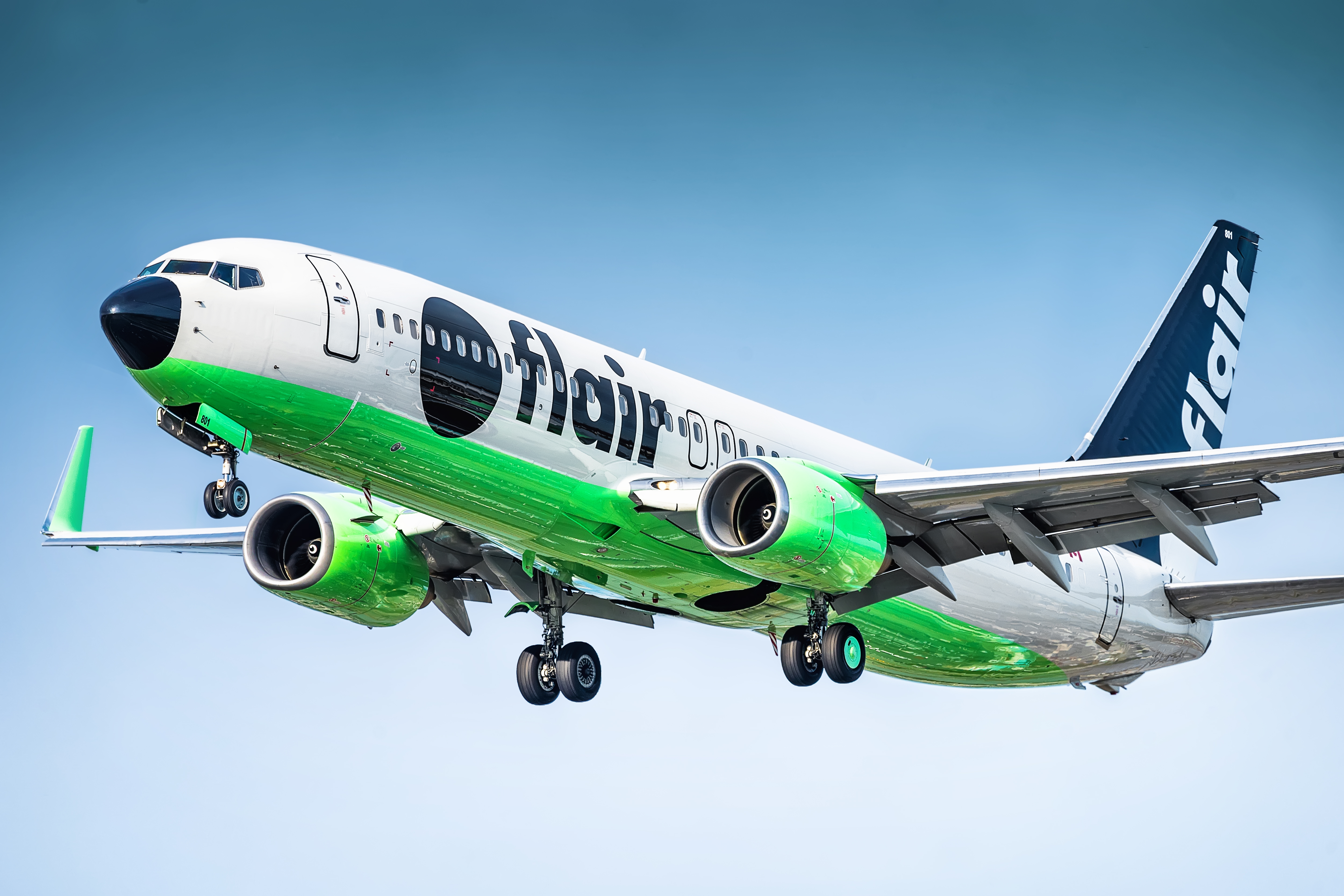
Despite its success, Flair Airlines faces several challenges that could impact its future growth:
1. Regulatory Environment
The aviation industry is heavily regulated, and Flair Airlines must comply with numerous rules and regulations. Changes in regulations could impact the airline’s operations and profitability.
2. Economic Factors
Flair Airlines is sensitive to economic factors, such as fuel prices and consumer spending. Economic downturns could lead to a decrease in demand for air travel, affecting the airline’s revenue.
3. Market Saturation
As more low-cost carriers enter the market, Flair Airlines may face increased competition. This could lead to a decrease in market share and profitability.
Conclusion
Flair Airlines has become a significant player in the Canadian aviation market, disrupting the industry with its low-cost business model and aggressive expansion strategy. The airline’s impact on the industry has been substantial, including increased competition, market expansion, and job creation. However, Flair Airlines faces challenges such as regulatory changes, economic factors, and market saturation. As the aviation industry continues to evolve, it will be interesting to see how Flair Airlines adapts and continues to grow.
References
– Industry reports on low-cost carrier operations in North America
– Aviation market analysis documents from regional transport authorities

– Global airline industry trend studies from leading aviation organizations
Future Research Directions
– Investigating the long-term sustainability of Flair Airlines’ low-cost business model in the face of increasing competition.
– Analyzing the impact of Flair Airlines on the environmental performance of the aviation industry.
– Examining the role of technology in enhancing customer satisfaction and operational efficiency for low-cost carriers like Flair Airlines.


