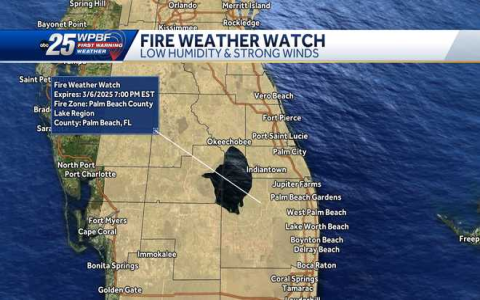
Palm Bay, FL Weather: A Comprehensive Analysis
Introduction
Palm Bay, Florida, situated in the southeastern region of the state, has a subtropical climate marked by warm temperatures and high humidity. Local weather significantly influences the area’s culture, economy, and residents’ daily lives. This article offers a thorough look at Palm Bay’s weather patterns—covering temperature, precipitation, humidity, and seasonal shifts—to help readers better understand the climate and its effects.
Temperature Patterns
Average Annual Temperature
Palm Bay has a consistently warm climate year-round, with an average annual temperature of approximately 75°F (24°C). Its subtropical location contributes to mild winters and hot summers. Local weather data indicates the area averages around 220 sunny days annually, placing it among the sunnier regions in the U.S.
Seasonal Variations
Temperatures in Palm Bay shift noticeably across seasons. Winter (December–February) brings highs in the mid-60s to low 70s°F (18–21°C) and lows that rarely drop to freezing, with the season being relatively brief.
In contrast, the summer months, from June to September, are characterized by hot and humid conditions. Temperatures can soar into the upper 80s to low 90s°F (30-32°C), with the humidity often exceeding 80%. This combination of heat and humidity can make outdoor activities quite uncomfortable, especially during the afternoon and early evening.
Precipitation Patterns
Annual Precipitation
Palm Bay receives a moderate amount of precipitation, with an average annual rainfall of approximately 55 inches (140 cm). The wettest months are typically May, June, and July, when the area experiences the highest levels of rainfall. This is due to the tropical weather systems that often affect the southeastern United States during these months.
Rainfall Distribution
The distribution of rainfall in Palm Bay is relatively even throughout the year. However, the dry season, from November to April, is characterized by lower rainfall and drier conditions. This period is often associated with a decrease in humidity and an increase in the number of sunny days.
Humidity Levels
Average Humidity
Palm Bay is known for its high humidity levels, which are a result of its subtropical climate. The average humidity in Palm Bay ranges from 70% to 90% throughout the year. The highest humidity levels are typically observed during the summer months, when the combination of heat and humidity can make the air feel much warmer than the actual temperature.
Impact on Lifestyle
The high humidity in Palm Bay can have a significant impact on the local lifestyle. Residents often seek relief from the heat and humidity by staying indoors or seeking shade. This can lead to a decrease in outdoor activities and an increase in air conditioning usage, which in turn affects energy consumption and costs.
Seasonal Variations in Weather
Spring
Spring in Palm Bay is a pleasant season, with temperatures gradually rising and rainfall becoming more frequent. The average temperature in March is around 68°F (20°C), and by May, it reaches the mid-70s°F (24°C). Spring is also the start of the rainy season, with early tropical weather systems sometimes forming in May.
Summer
Summer in Palm Bay is characterized by hot and humid conditions, with temperatures soaring into the 90s°F (32°C). The humidity levels are often above 80%, making it feel even hotter. This is also the peak season for tropical storms and hurricanes, which can bring heavy rainfall and strong winds to the area.
Autumn
Autumn in Palm Bay is a transitional season, with temperatures gradually cooling down and rainfall decreasing. The average temperature in October is around 74°F (23°C), and by November, it drops to the mid-60s°F (18°C). This season is often associated with fewer storms and a more comfortable climate.
Winter
Winter in Palm Bay is mild, with temperatures rarely dropping below the mid-50s°F (13°C). The average temperature in January is around 65°F (18°C). Snowfall is extremely rare, and the winter season is typically dry and sunny.
Conclusion
In conclusion, Palm Bay, FL, experiences a subtropical climate that is characterized by warm temperatures, high humidity, and moderate precipitation. The weather patterns in Palm Bay have a significant impact on the local lifestyle, economy, and culture. By understanding the seasonal variations and weather patterns in Palm Bay, we can appreciate the unique climate that makes this area such a desirable place to live and visit.

Recommendations and Future Research
To further enhance our understanding of the weather patterns in Palm Bay, FL, it is recommended that future research focus on the following areas:
1. The impact of climate change on Palm Bay’s weather patterns.
2. The role of urbanization in altering local weather conditions.
3. The development of more accurate weather forecasting models for the area.
By addressing these research areas, we can continue to improve our understanding of the weather in Palm Bay and its implications for the local community.