

The Importance of Affordable Train Tickets: A Comprehensive Analysis
Introduction
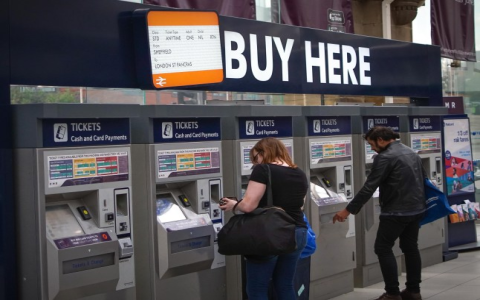
The accessibility of train travel is a crucial factor in determining the ease of transportation for the general public. The affordability of train tickets plays a significant role in encouraging people to choose this mode of transport over other alternatives. This article aims to explore the importance of cheap train tickets, their impact on society, and the various factors that contribute to their availability. By analyzing the benefits of affordable train travel, we will shed light on why it is essential for governments, transport authorities, and individuals to prioritize this aspect of public transportation.
The Economic Impact of Affordable Train Tickets
Economic Benefits
Affordable train tickets can have a substantial positive impact on the economy. Firstly, they encourage more people to use trains for daily commuting, reducing the reliance on private vehicles. This, in turn, leads to a decrease in traffic congestion and air pollution, which can have long-term economic benefits by improving public health and reducing healthcare costs.
Research indicates that investments in public transportation yield significant economic returns, as efficient commuting options save time and money for workers, boosting overall productivity and growth. By making train tickets affordable, more individuals can opt for this mode of transport, thereby contributing to the overall economic well-being.
Job Creation
The availability of affordable train tickets also stimulates job creation in various sectors. The construction and maintenance of railway infrastructure, as well as the operation of train services, require a significant workforce. This includes engineers, technicians, conductors, and administrative staff. As the demand for train travel increases due to affordable tickets, more jobs are created, leading to a boost in the economy.
Social Benefits of Affordable Train Tickets
Accessibility
One of the primary advantages of affordable train tickets is that they make train travel accessible to a broader segment of the population. This is particularly important for low-income individuals and families who may not be able to afford other modes of transportation. By providing affordable train tickets, governments and transport authorities can ensure that everyone has equal access to transportation, regardless of their financial status.
Reduction in Social Inequality
Affordable train tickets can help reduce social inequality by providing a cost-effective means of transportation for those who are economically disadvantaged. This can lead to improved social mobility, as individuals can access job opportunities, education, and healthcare services more easily. Furthermore, it can foster a sense of community and reduce the isolation experienced by those who are unable to afford other forms of transportation.
Environmental Benefits of Affordable Train Tickets
Reduced Carbon Footprint
Train travel is one of the most environmentally friendly modes of transportation. By choosing trains over cars and planes, individuals can significantly reduce their carbon footprint. This is particularly important in the context of climate change, as reducing greenhouse gas emissions is crucial for mitigating its effects.
Trains are far more carbon-efficient than cars and planes, emitting significantly less greenhouse gas per passenger-kilometer. This makes them a key tool in reducing overall emissions and combating climate change. By making train tickets affordable, more people are likely to choose this mode of transport, leading to a reduction in overall carbon emissions.
Conservation of Natural Resources
Affordable train tickets can also contribute to the conservation of natural resources. Trains are more energy-efficient than other modes of transportation, requiring less fuel and producing fewer emissions. This helps to preserve natural resources such as oil, coal, and natural gas, which are finite and increasingly scarce.
Challenges and Solutions in Providing Affordable Train Tickets
Financial Constraints
One of the main challenges in providing affordable train tickets is the financial constraints faced by governments and transport authorities. The cost of maintaining and upgrading railway infrastructure, as well as the operation of train services, can be substantial. However, there are several solutions to this challenge.
Firstly, governments can invest in public-private partnerships to fund railway projects. This can help to reduce the financial burden on the government while ensuring that the necessary infrastructure is developed. Secondly, governments can implement policies that incentivize the use of trains, such as offering subsidies or discounts for low-income individuals.
Competition with Other Modes of Transportation
Another challenge is the competition with other modes of transportation, such as cars and buses. To make train tickets affordable and attractive, transport authorities need to ensure that train services are reliable, punctual, and convenient. This can be achieved by investing in modern train technology, improving station facilities, and offering competitive pricing.
Conclusion
In conclusion, the importance of affordable train tickets cannot be overstated. They have significant economic, social, and environmental benefits that contribute to the overall well-being of society. By making train travel accessible and affordable, governments, transport authorities, and individuals can work together to create a more sustainable and equitable transportation system.
The availability of affordable train tickets encourages more people to choose this mode of transport, leading to reduced traffic congestion, lower carbon emissions, and improved social mobility. While challenges exist in providing affordable train tickets, innovative solutions can be implemented to address these issues.
As the world continues to face the challenges of climate change and economic inequality, the importance of affordable train tickets will only grow. It is essential for policymakers and stakeholders to prioritize this aspect of public transportation to ensure a sustainable and prosperous future for all.


