
The Ultimate Guide to Fare Comparison Platforms: How They Transform Travel Planning
Introduction
In the digital era, travel planning has grown far more accessible and convenient. A key tool that’s reshaped how we find and book travel is the fare comparison platform. These sites have become the go-to resource for travelers looking for the most competitive prices on flights, hotels, and car rentals. This article explores the importance of these platforms, their impact on the travel industry, and how they’ve become an essential part of planning any trip.
The Evolution of Fare Comparison Platforms
Early Beginnings
The idea of fare comparison platforms dates back to the early 2000s, when online travel agencies (OTAs) began to gain popularity. These sites aggregated flight information from multiple airlines, letting users compare prices and book tickets online. The launch of meta-search engines—like Skyscanner and Kayak—further expanded their scope by adding hotel and car rental options.
Technological Advancements
Over time, fare comparison platforms have evolved alongside technological progress. Integrating artificial intelligence (AI) and machine learning has let these tools offer personalized recommendations, predict price shifts, and present users with top deals. Plus, the growth of mobile apps has made accessing these services even simpler for travelers on the move.
The Significance of Fare Comparison Platforms
Cost-Effectiveness
A key reason these platforms are so popular is their ability to deliver cost-effective travel options. By comparing prices across dozens of airlines and providers, users can find the lowest available fares, saving substantial money on their trips.
Convenience
The convenience these platforms offer is unmatched. Users can access them from anywhere, at any time, and book their travel plans in just a few clicks. This simplicity has made travel planning accessible to a wider range of people.
Transparency
These platforms also offer high transparency. They show all available options—direct and connecting flights, plus total costs including taxes and fees—letting travelers make informed choices based on their preferences and budget.
How Fare Comparison Platforms Work
Data Aggregation
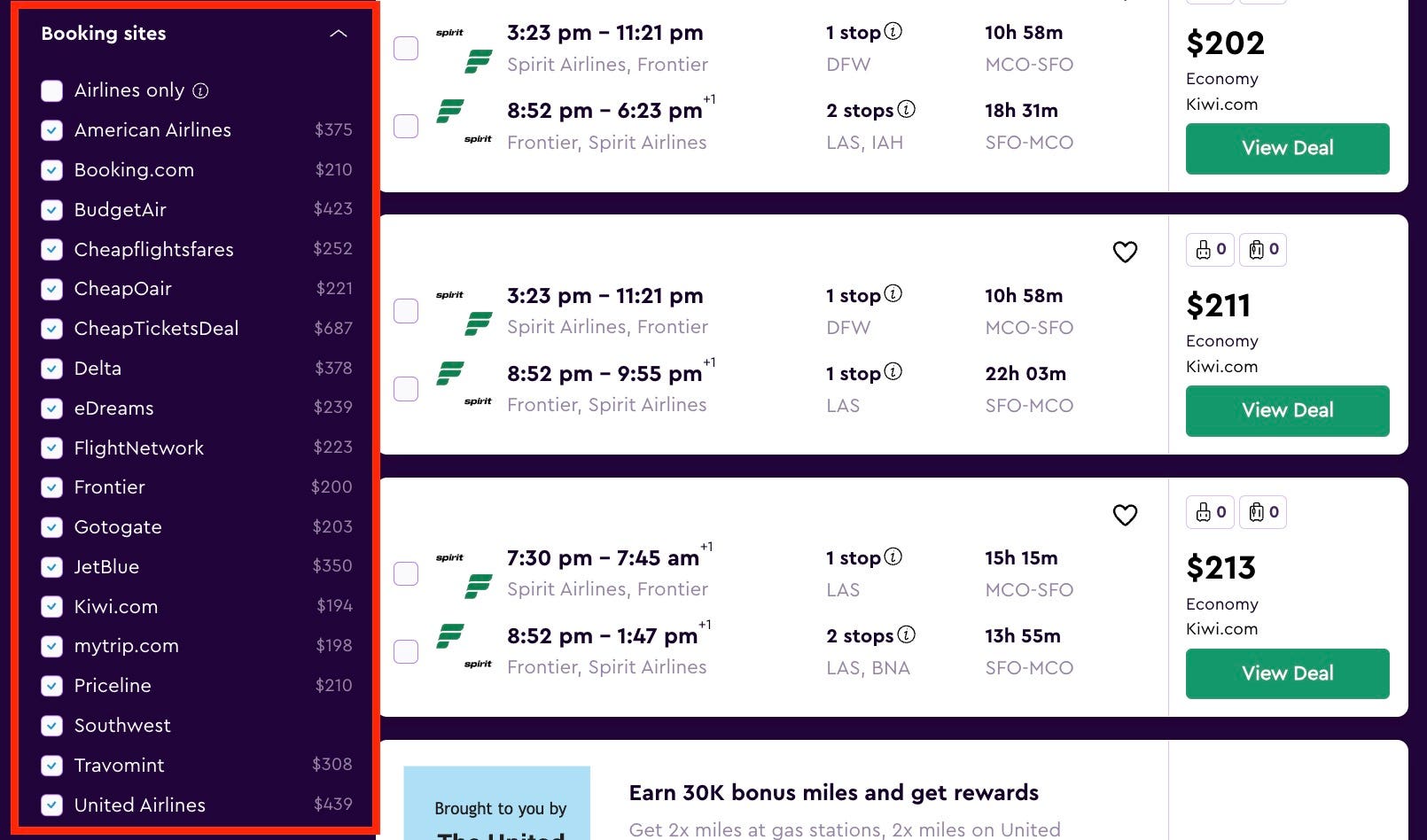
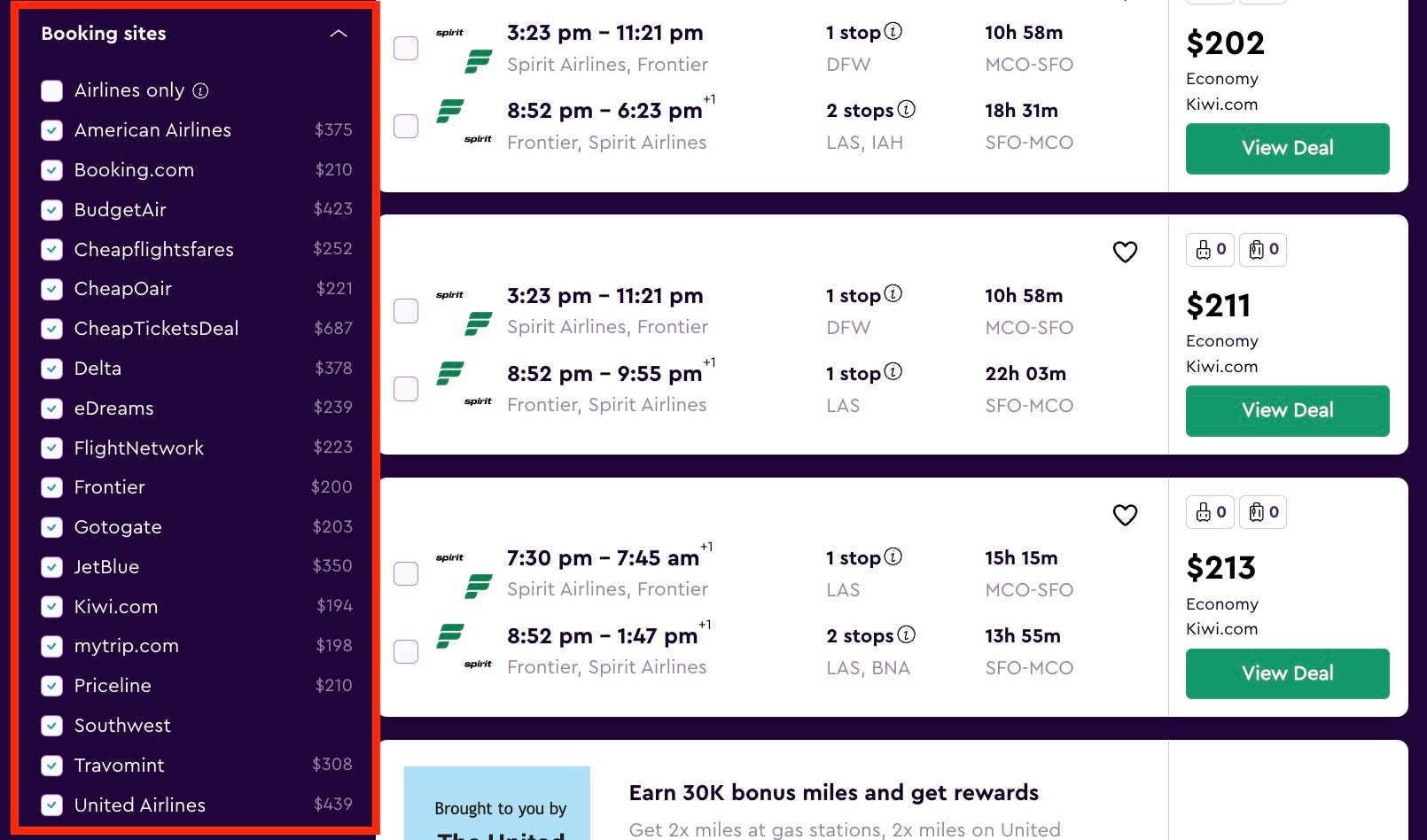
These platforms gather data from multiple sources—airlines, hotels, car rental companies, and more. This data gives users a complete view of the travel market, letting them compare prices and options across different providers.

Algorithms and Machine Learning
The algorithms powering these platforms analyze massive datasets to find the best deals for users. They consider factors like time of year, day of the week, and even a user’s travel history to deliver personalized suggestions.
User Interface
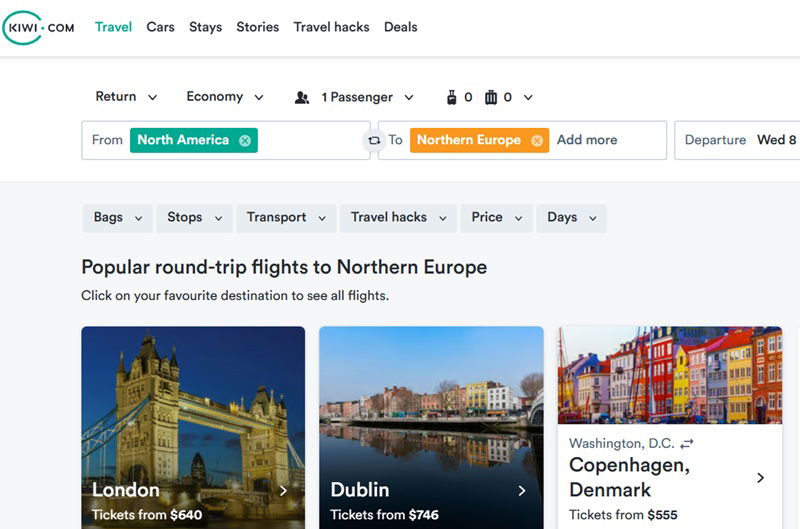
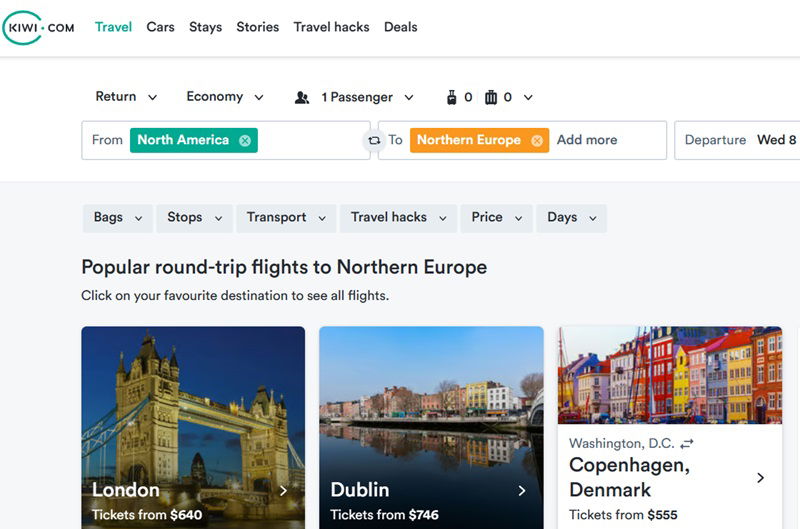
Their user interfaces are designed to be intuitive and easy to use. Users can quickly enter travel details, select preferences, and view available options. Most platforms also include filters to help narrow down search results.
The Impact of Fare Comparison Platforms on the Travel Industry
Increased Competition

These platforms have sparked greater competition among airlines and travel providers. This has pushed prices down and improved service quality as companies work to attract customers.
Improved Customer Experience
They’ve enhanced the overall customer experience by making travel planning more efficient and affordable. Users can now compare prices, read reviews, and book all their travel needs in one spot.
Data-Driven Decision Making
The data these platforms collect offers valuable insights into travel trends and consumer behavior. Airlines and providers use this information to make data-backed decisions and enhance their offerings.
Case Studies and Success Stories
Example 1: Skyscanner
Skyscanner, a leading fare comparison platform, has helped millions of travelers find top deals on flights, hotels, and car rentals. Its user-friendly interface and personalized suggestions have made it a go-to for budget-savvy travelers.
Example 2: Kayak
Kayak, another popular platform, has transformed how people search for travel deals. Its meta-search engine lets users compare prices across multiple providers, ensuring they find the best possible offer.
Challenges and Limitations
Data Accuracy
A key challenge these platforms face is ensuring the accuracy of aggregated data. Inaccurate info can lead users to make wrong choices, which is frustrating and potentially costly.
Privacy Concerns
Collecting and using personal data also raises privacy concerns. Users need to trust that their information is secure and won’t be misused.
Conclusion
Fare comparison platforms have become essential to travel planning, offering users a convenient, affordable, and transparent way to book travel. As technology evolves, these tools will likely grow even more sophisticated, delivering better deals and personalized suggestions. Their importance in the travel industry is undeniable, and their ongoing growth proves their value in the digital era.
Recommendations and Future Directions

To keep these platforms successful, here are key recommendations:
1. Boost Data Accuracy: Invest in tools to verify data from multiple sources.
2. Strengthen Privacy: Implement strong security measures to protect user data and meet privacy regulations.
3. Add Augmented Reality: Use AR to give users a virtual preview of destinations, improving the planning experience.
4. Partner with Providers: Collaborate with airlines, hotels, and car rental companies for exclusive deals and better user experiences.
The future of these platforms is bright. With ongoing innovation and collaboration, they’ll continue to play a key role in shaping travel’s future.