Winter in Germany: A Comprehensive Overview
Introduction
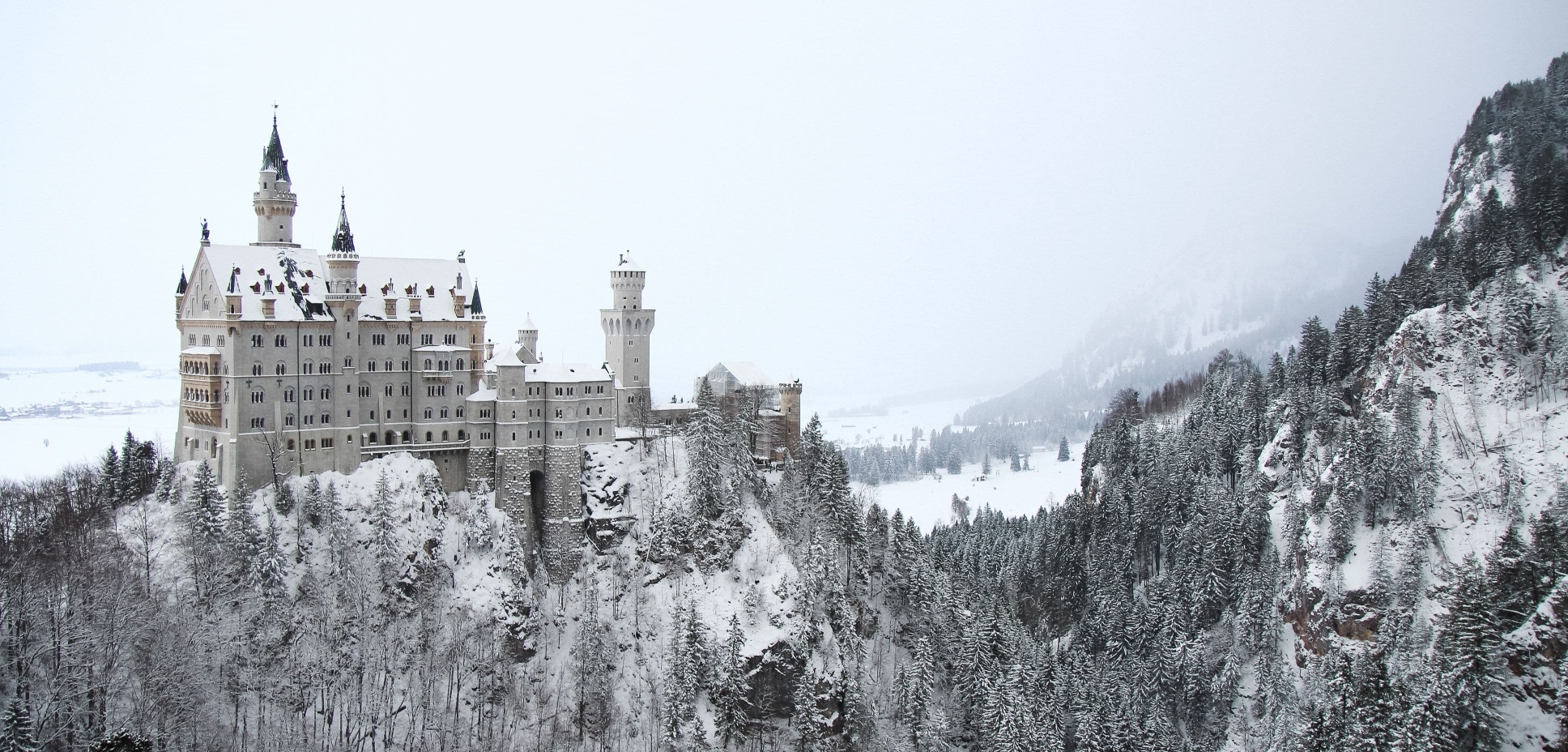
Germany, renowned for its rich cultural heritage and diverse landscapes, boasts a distinct winter season that draws locals and tourists alike. Marked by crisp cold temperatures, snow-dusted scenery, and vibrant festive traditions, this article offers a thorough look at winter in Germany—examining its climate patterns, cultural importance, and effects on the nation’s economy and society.
Climate and Weather Patterns
Temperature and Snowfall
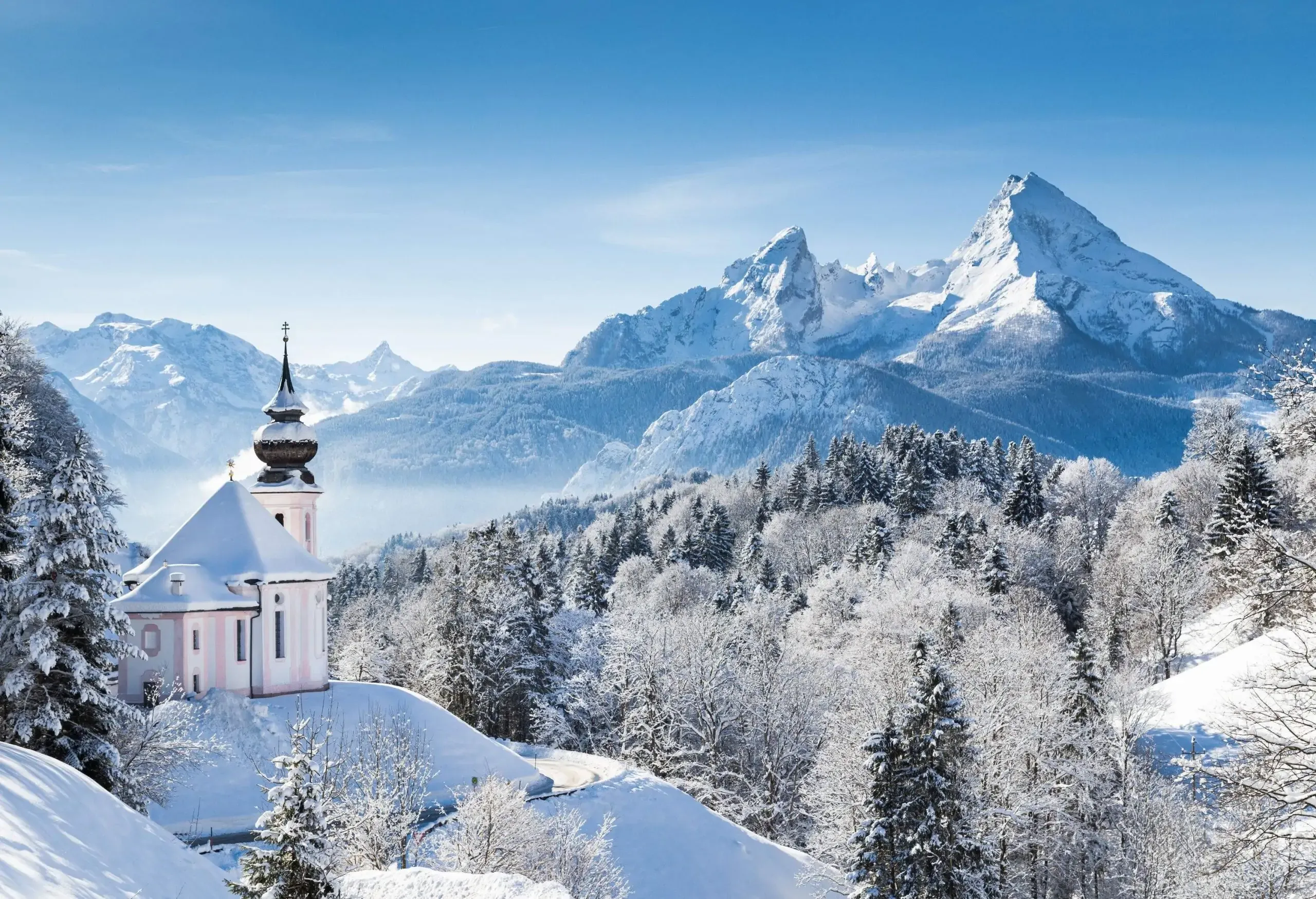
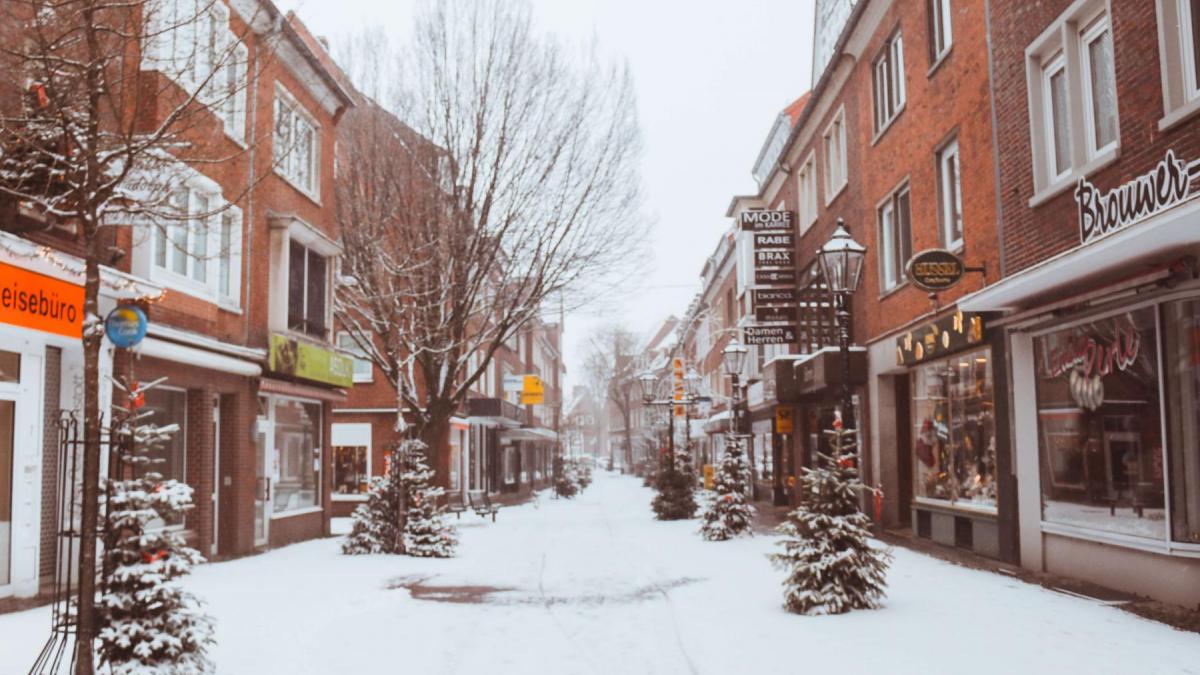
Germany’s winter is defined by cool temperatures: average daytime highs range from -5°C to 5°C in the north, and -1°C to 3°C in the south. Snowfall is prevalent, particularly in mountainous areas like the Alps and Harz Mountains. Typically starting in December and lasting through March, these regions see the highest accumulation of snow.
Weather Patterns
Germany’s winter weather is shaped by multiple systems, including Atlantic depressions and the Siberian high-pressure system. Atlantic depressions bring mild, damp conditions, whereas the Siberian system brings cold, dry air. These varying patterns create a range of winter experiences across different parts of the country.
Cultural Significance
Christmas Markets
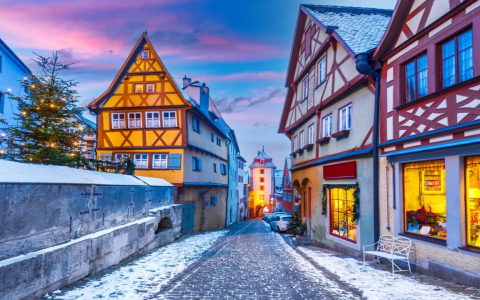
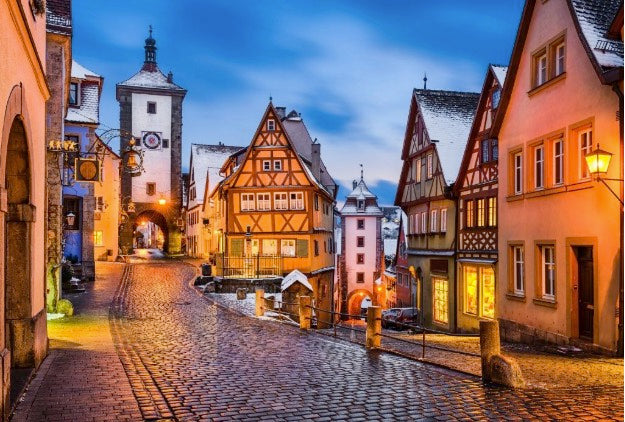
Among Germany’s most beloved winter traditions are its Christmas markets, held in nearly every town and city nationwide. These markets exude a warm, festive vibe, with stalls offering handcrafted goods, traditional local treats, and spiced mulled wine. A cornerstone of German culture, they attract millions of visitors annually.
Winter Festivals
Germany also hosts a range of winter festivals, from renowned events like Cologne’s Carnival to Rostock’s Ice Festival. These celebrations highlight the nation’s rich cultural heritage, giving locals and visitors alike a chance to join in wintertime festivities.
Economic Impact
Tourism
Germany’s winter draws millions of tourists yearly, providing a substantial boost to the national economy. The winter sports sector—including skiing and snowboarding—acts as a key economic driver, with visitors spending on accommodation, equipment rentals, dining, and other services.
Agriculture
Cold winter temperatures can challenge agricultural activities, especially in northern regions. That said, winter also offers opportunities for farmers to cultivate crops like potatoes and onions, which flourish in cooler climates.
Social Impact
Health and Safety
Cold winter temperatures may present health risks, especially for older adults and those with pre-existing medical conditions. To support citizens during this season, the German government implements measures like road salt for safe travel and heating subsidies to help with energy costs.
Social Cohesion
Winter also fosters community connection, strengthening social cohesion. Festive activities and events give people chances to interact and celebrate together, enriching the nation’s social fabric.
Case Studies
Bavaria
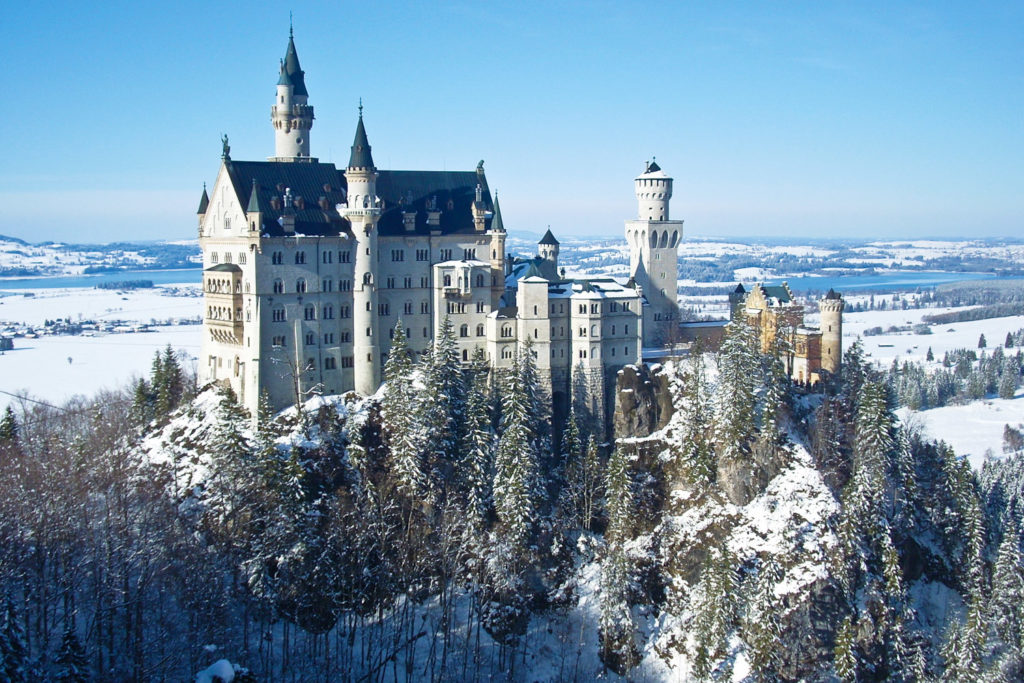
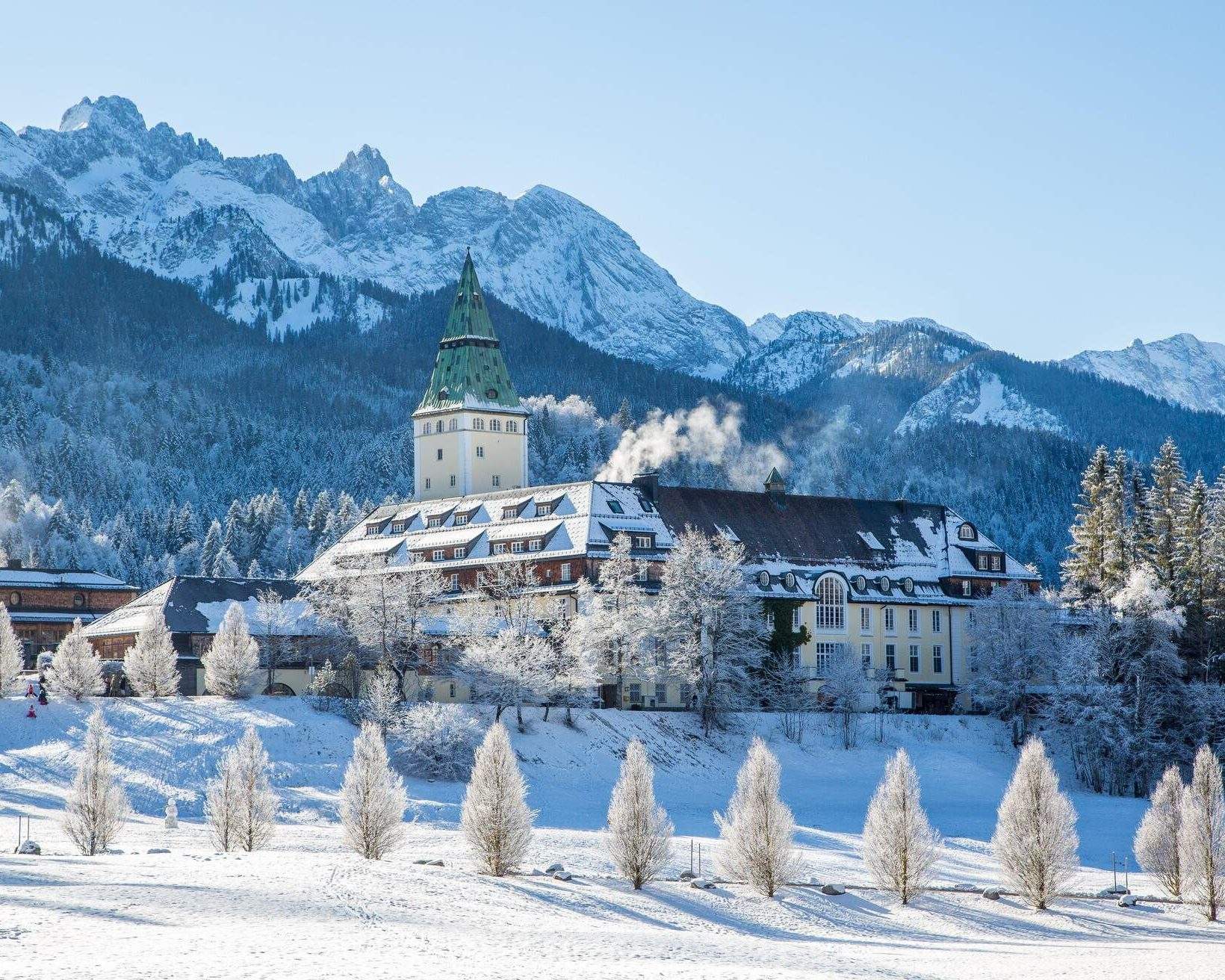
Bavaria, famous for its scenic Alpine landscapes, sees some of Germany’s most pronounced winters. A top destination for winter sports, it hosts popular ski resorts like Garmisch-Partenkirchen and Oberstdorf, drawing visitors globally.
Berlin
Berlin, the capital, has a milder winter than many other German regions. Its winter is highlighted by a lively cultural scene, with plenty of indoor events and activities to engage residents and visitors alike.
Conclusion
Winter in Germany is a complex, multifaceted phenomenon that touches every part of the nation’s society, economy, and culture. From iconic Christmas markets to the economic boost of winter tourism, this season plays a key role in shaping Germany’s identity. As climate change alters weather patterns, monitoring and adapting to shifting winter conditions will be crucial to supporting citizens’ well-being and economic sustainability.
Recommendations and Future Research
To enhance understanding and preparedness for winter-related challenges in Germany, the following recommendations are suggested:
1. Expand research on how climate change affects winter weather patterns in Germany.
2. Create strategies to reduce health risks linked to cold winter temperatures.
3. Invest in infrastructure to strengthen the winter tourism sector and ensure the safety of winter sports participants.
By implementing these steps, Germany can continue to embrace its winter season while supporting the well-being and prosperity of its people.