

The Historical and Cultural Significance of the Boston to Philadelphia Corridor
Introduction
The Boston to Philadelphia corridor, a region spanning a significant distance in the northeastern United States, is rich in history, culture, and economic importance. This article explores its key aspects—historical context, cultural contributions, and economic impact—drawing on perspectives from historians, scholars, and local communities to highlight its unique traits.
Historical Background
The Founding of the Corridor
The corridor’s roots trace back to the colonial era, with early settlements in what is now Massachusetts and Pennsylvania. These settlements introduced distinct cultural and religious traditions that influenced the region’s development over time.

The American Revolution
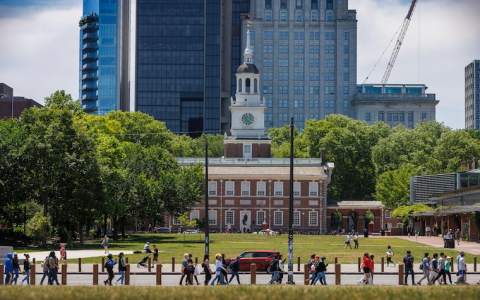
The corridor played a critical role in the American Revolution. Boston was a focal point for revolutionary activities, while Philadelphia served as a temporary capital during the conflict, hosting key gatherings and the drafting of foundational documents.
Cultural Contributions
Literature and Art
The corridor has been a vibrant hub for literary and artistic expression. Many renowned authors and artists have drawn inspiration from its landscapes, history, and communities, while galleries, museums, and theaters dot the region.
Education and Enlightenment
Since its early days, the corridor has been a center of education and intellectual growth. Several of the nation’s oldest and most prestigious institutions of higher learning are located here, producing influential thinkers and leaders throughout history.
Economic Impact
Industrial Revolution
The corridor was pivotal to the Industrial Revolution. Its abundant natural resources and strategic location made it ideal for industrial development, spurring economic growth and urbanization as factories and mills emerged.
Transportation and Infrastructure
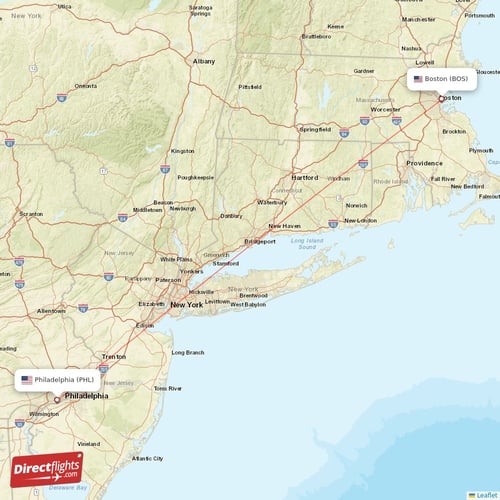
Transportation and infrastructure improvements further boosted the corridor’s economic impact. Key waterways and expanding railroad networks turned it into a major hub for trade and commerce.
The Boston to Philadelphia Corridor Today
Tourism
The corridor is a popular tourist destination, attracting millions annually. Its rich history, cultural attractions, and scenic landscapes appeal to history enthusiasts, art lovers, and nature seekers alike.
Economic Resilience
Despite economic challenges, the corridor has shown resilience. It has adapted to changing times by diversifying its economy and focusing on emerging sectors like technology and biotechnology.
Conclusion
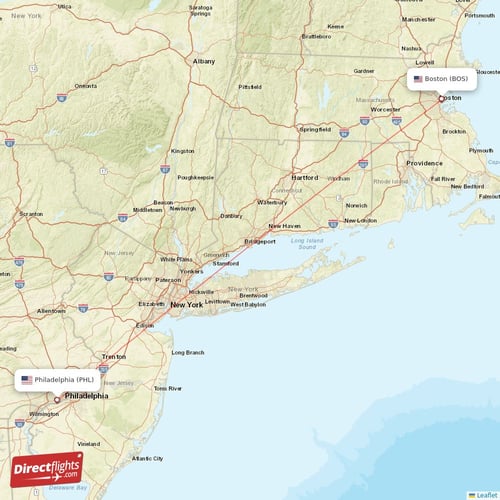
The Boston to Philadelphia corridor is a region of immense historical, cultural, and economic significance. From its colonial origins to its role in key historical events, it has been shaped by a diverse tapestry of experiences and contributions. Its cultural legacy, economic impact, and ability to adapt make it a compelling subject of study, and it continues to reflect the enduring spirit of its communities.
Recommendations and Future Research
To deepen understanding of the corridor, ongoing research into its historical and cultural significance is essential. Future studies could focus on three key areas:
1. The corridor’s role in 19th-century historical events and post-war reconstruction.
2. The impact of demographic shifts on the corridor’s culture and community.
3. The corridor’s role in environmental initiatives and sustainability efforts.
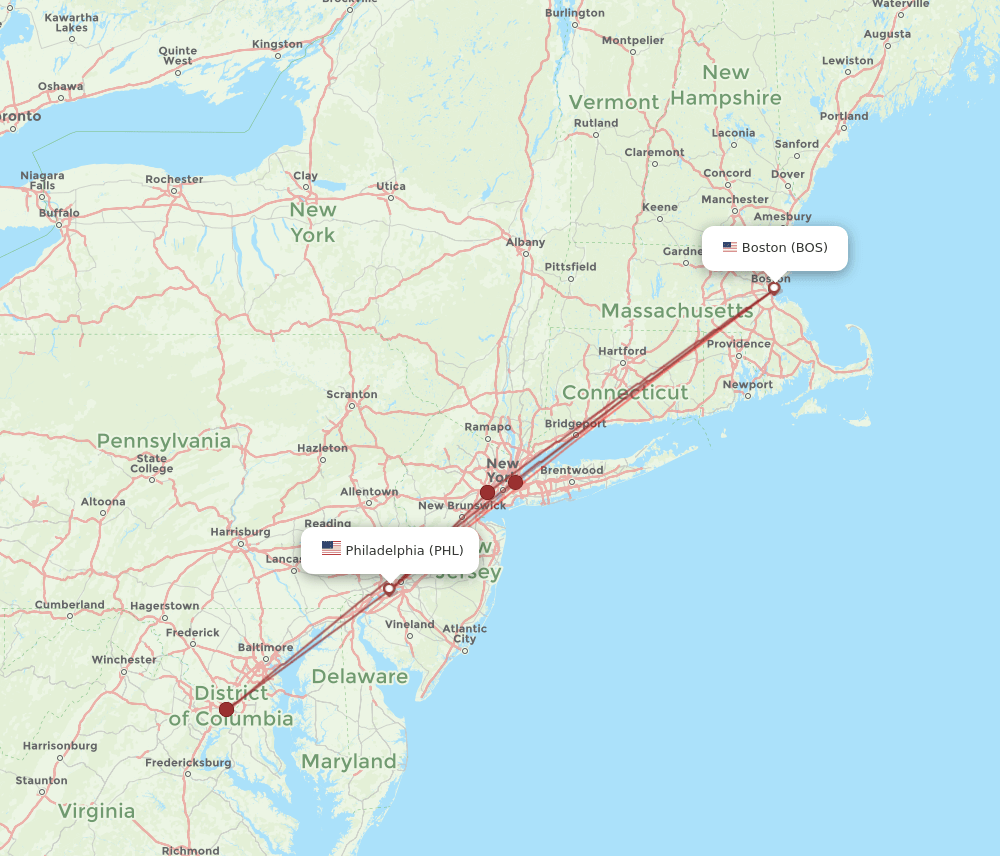
Exploring these areas will provide a more comprehensive view of the corridor’s ongoing contributions to the region and the nation.


